Key facts
- North Korea has deployed a missile unit, approximately 90 personnel, to western Russia.
- Thousands of North Korean troops, estimated between 9,500 and 15,000, have been deployed to Russia's Kursk and Voronezh regions.
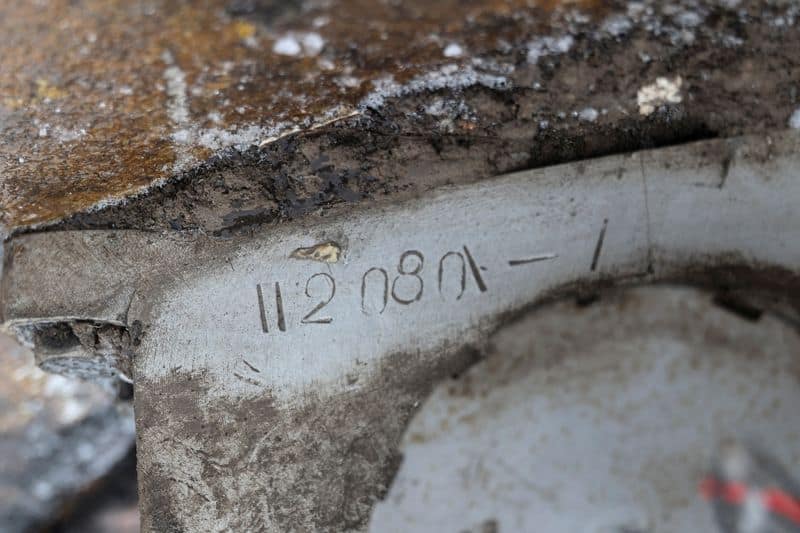
- North Korea has supplied Russia with millions of artillery shells, ballistic missiles, and rocket systems.
- A strategic partnership treaty signed in June 2024 includes a mutual assistance provision between Russia and North Korea.
- The United States and allies assert these actions violate UN Security Council resolutions, leading to additional sanctions.
North Korea has significantly escalated its involvement in Russia's war against Ukraine by deploying troops, weapons, and a missile unit, marking its most substantial military engagement in a conflict since the 1950s. According to a Ukrainian intelligence official, a North Korean missile unit has begun deploying to western Russia, potentially equipped with up to 120 ballistic missiles and six launchers, and comprises about 90 personnel. This unit is expected to be based in Russia's Voronezh region.
Assessments from Ukrainian, U.S., and South Korean officials indicate that North Korea has sent between 10,000 and 15,000 troops to Russia, with some estimates suggesting Russia sought an additional 30,000. By January 2025, over 12,000 North Korean soldiers were reportedly in Russia, and by April 2025, Russia and North Korea confirmed their troops had fought Ukrainian forces in Kursk. As of August 2025, around 9,500 North Korean troops remained in Kursk but were not directly involved in operations.
Beyond combat troops, North Korea has agreed to send approximately 1,000 sappers and 5,000 military construction workers to assist in clearing mines and rebuilding infrastructure in Kursk. Intelligence also suggests North Korea has begun recruiting personnel for further deployments. The country has provided Russia with millions of artillery and mortar rounds, ballistic missiles, and multiple-launch rocket systems. Analysis of shipping data revealed numerous voyages by Russian cargo ships transporting ammunition from North Korea to Russian ports, with Ukrainian officials estimating Pyongyang supplies about half of Russia's front-line munitions needs.
The deepening military ties are underpinned by a comprehensive strategic partnership treaty signed by Russian President Vladimir Putin and North Korean leader Kim Jong Un in June 2024, which includes a mutual assistance provision. North Korea views its participation as an exercise of sovereign rights and assistance to a treaty partner. Analysts suggest Pyongyang benefits from hard currency, economic support, access to Russian military technology, and battlefield experience for its forces and weapons, while gaining insights into modern tactics and assessing its own equipment in wartime conditions.
International reaction has been critical, with the United States and its allies stating that these deployments and arms transfers violate UN Security Council resolutions. Washington has imposed additional sanctions on North Korean and Russian entities involved in this cooperation, and South Korea has also blacklisted related individuals and entities. NATO has warned that Russia's expanding military and economic ties with North Korea, China, and Iran represent a threat extending beyond Europe.