Key facts
- At least 72 migrants have died attempting to cross into Ceuta from Morocco.
- Over 50,000 people crossed into the Spanish enclave in an unprecedented surge.
- More than 1,000 individuals received medical treatment.
- Spanish authorities reinforced border patrols and installed a floating barrier.
- Twenty-two EU member states called for coordinated action on external border protection.
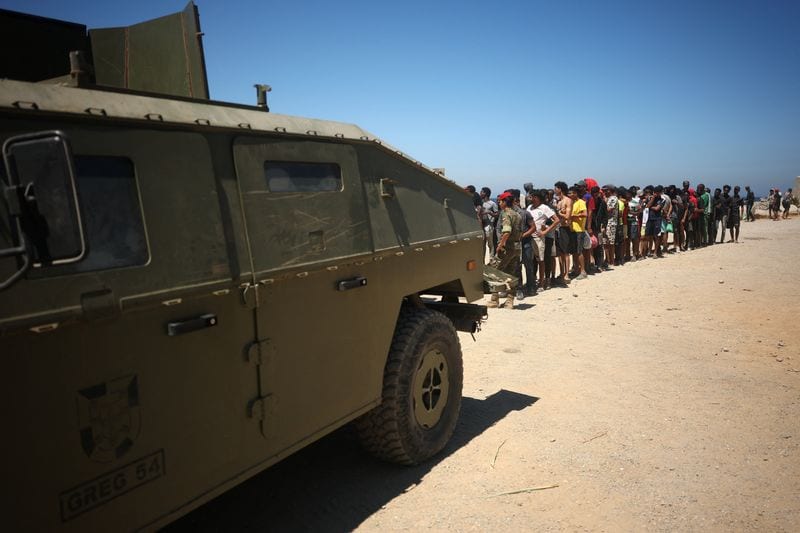
The death toll from a mass rush of migrants into Spain's North African enclave of Ceuta from Morocco has risen to at least 72, officials said Sunday. The unprecedented surge, which began Thursday, saw more than 50,000 people cross into Ceuta by land and sea, prompting alarm across the European Union. Spanish authorities reported that over 48,000 returned to Morocco within 48 hours, with more leaving over the weekend.
Miguel Angel Perez, the Spanish government representative in Ceuta, stated that in addition to the fatalities, over 1,000 people had received medical treatment since Thursday. He noted that the situation in the city had improved but that more work was needed to restore normality. Some migrants drowned or were crushed while attempting to scale a breakwater and border fence, driven by economic hardship and social media rumors.
Ceuta leader Juan Jesus Vivas told El Pais that the city's morgue had received 88 corpses, including some from earlier, smaller attempts to reach the territory. Moroccan authorities were also reportedly recovering bodies from the sea. In response, Spanish authorities reinforced police and army patrols and installed a 500-meter floating barrier off Ceuta. Twenty-two EU member states have written a letter requesting coordinated action to protect external borders, and Italy suspended passport-free Schengen travel with Spain for one month.
Spain has generally maintained a more open stance on migrants compared to other EU countries, with a program to grant residency to over half a million undocumented individuals. The government rejected suggestions that this scheme encouraged the recent rush, emphasizing that irregular entrants to Ceuta could not proceed to mainland Spain or the Schengen zone.