Key facts
- The QatarEnergy-chartered LNG tanker Umm Slal reversed course near the Strait of Hormuz.
- This occurred after similar warnings from Iran's IRGC regarding vessel routes.
- The incidents add uncertainty to LNG shipping through the Gulf.
- QatarEnergy has managed nine LNG cargo transits out of the Persian Gulf since late February 2026.
- The Al Daayen tanker, chartered by QatarEnergy, temporarily went dark before reappearing east of the Strait of Hormuz.
- The Strait of Hormuz crisis escalated in late February 2026 following U.S.-Israeli strikes on Iran and subsequent Iranian retaliation.
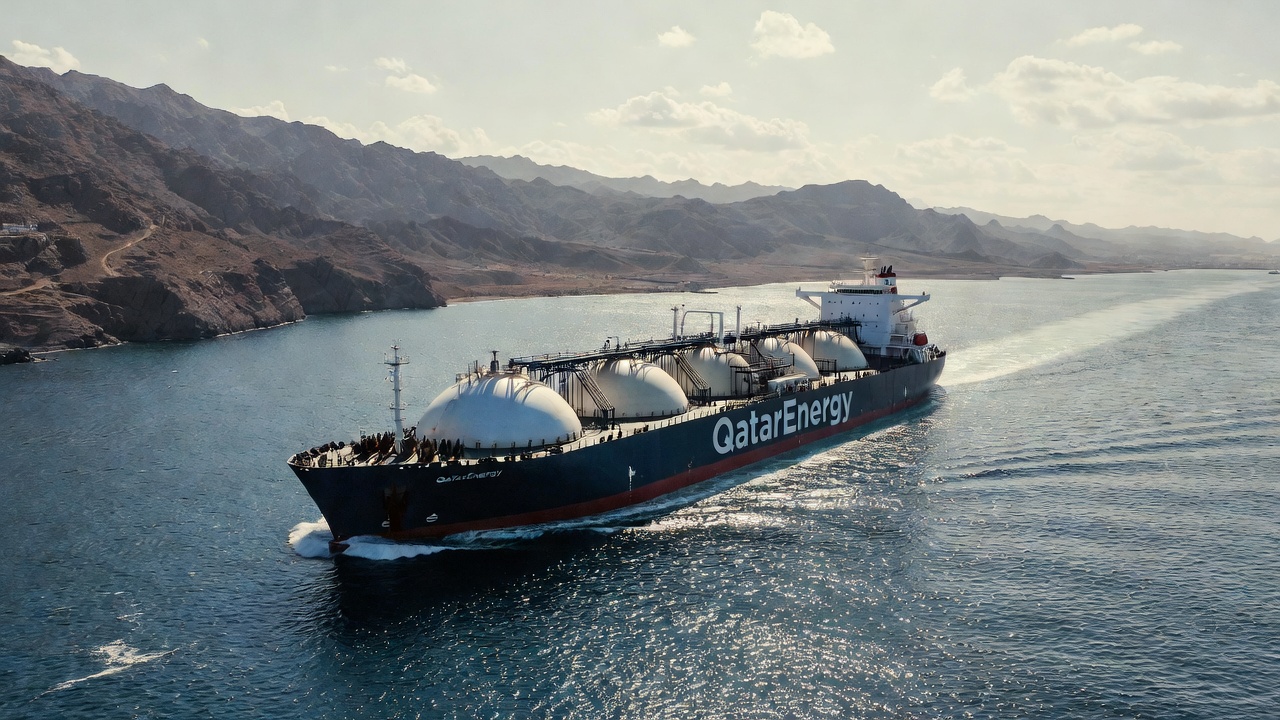
The Strait of Hormuz has become a focal point of increased geopolitical risk, with the QatarEnergy-chartered LNG tanker Umm Slal reversing course near the waterway. This incident follows a similar move by the Gaslog Shanghai on June 25 and coincides with warnings from Iran's Islamic Revolutionary Guard Corps (IRGC) that vessels must adhere to designated routes. Ship-tracking firm Kpler noted that these events introduce fresh uncertainty into LNG shipping through the Gulf, despite recent signs of recovery.
The Umm Slal's reversal is part of a pattern of navigation challenges in the Strait of Hormuz, which began escalating in late February 2026 after U.S.-Israeli strikes on Iran triggered retaliatory actions. During this period, approximately 17% of Qatar's LNG capacity was damaged, leading to a halt in production and a declaration of force majeure by QatarEnergy on March 4. Insurance markets withdrew war-risk coverage, causing traffic to plummet, and the IRGC established the Persian Gulf Strait Authority (PGSA) to regulate passage.
Despite the heightened risks, QatarEnergy has managed to move nine known LNG cargoes out of the Persian Gulf since the conflict erupted. The tanker Al Daayen, for instance, temporarily went dark on June 5 before reappearing east of the Strait of Hormuz, en route to China. This tactic of 'going dark,' which involves temporarily disabling a vessel's AIS transponder, is being employed by QatarEnergy and other Gulf producers to navigate the war zone, a strategy distinct from the 'dark fleet' used for sanctions evasion. These selective transits, often linked to diplomatic efforts, represent a fraction of pre-war shipping volumes.