Key facts
- Ukraine has sanctioned 11 Russian citizens, 13 vessels, and 28 legal entities for illegally exporting grain from occupied territories.
- The sanctions include asset freezes, trade restrictions, and bans on entry and port access for vessels.
- Kyiv is urging international partners to impose similar sanctions to penalize those involved in the illicit trade.
- The move follows intelligence reports on Russian 'shadow fleet' vessels involved in transporting stolen Ukrainian grain.
- Sweden recently upheld the handover of a Russian vessel linked to stolen grain to Ukraine.
Ukraine has imposed new sanctions targeting individuals, vessels, and companies involved in the alleged illegal export of grain and other goods from Russian-occupied territories. President Volodymyr Zelensky signed a decree on August 14, introducing penalties such as asset freezes, trade restrictions, and entry bans for 11 Russian citizens, 13 vessels, and 28 legal entities.
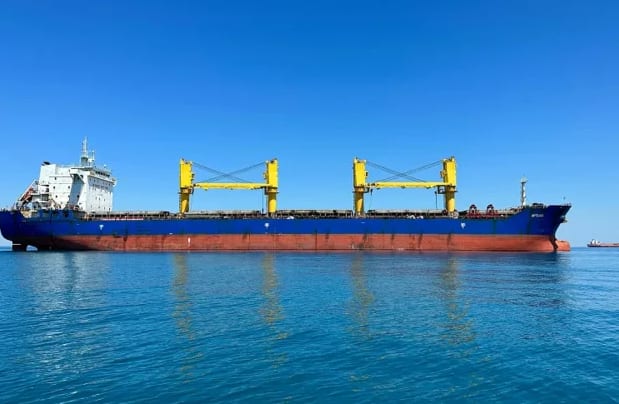
These measures are aimed at penalizing those participating in the systematic seizure and export of Ukrainian grain since the full-scale war began. Ukraine's military intelligence agency (HUR) concurrently released data on vessels linked to Russia's 'shadow fleet,' several of which are included in the new sanctions list. The Russian bulk carrier Irtysh, previously sanctioned by the EU, is cited as an example, having reportedly loaded significant amounts of grain from occupied Sevastopol.
Kyiv asserts that these operations violate international law and is actively sharing information with international partners to synchronize sanctions. The announcement follows a recent ruling in Sweden where the Supreme Court upheld the handover of a Russian ship, the Caffa, to Ukraine, marking a significant precedent. President Zelensky indicated that these sanctions are part of a broader strategy to target Russia's war machine and financial networks, with further measures expected.