Key facts
- Russia's UN envoy Mikhail Ulyanov stated that US policy has ruined navigation through the Strait of Hormuz.
- Russia and China vetoed a UN Security Council resolution intended to reopen the Strait of Hormuz.
- The resolution had been significantly weakened to try and secure abstentions from Russia and China.
- Iran has been blocking passage through the strait, leading to soaring energy prices.
- US President Donald Trump issued a threat of severe retaliation against Iran, which was later suspended for a two-week ceasefire.
- Iran accepted the ceasefire and agreed to allow passage through the strait during this period.
Russia's permanent representative to the United Nations, Mikhail Ulyanov, criticized US policy regarding the Strait of Hormuz, stating that Washington's actions have "ruined" navigation through the strategic waterway. Ulyanov questioned the logic of the US seeking freedom of navigation while its own aggression against Iran had caused the problem.
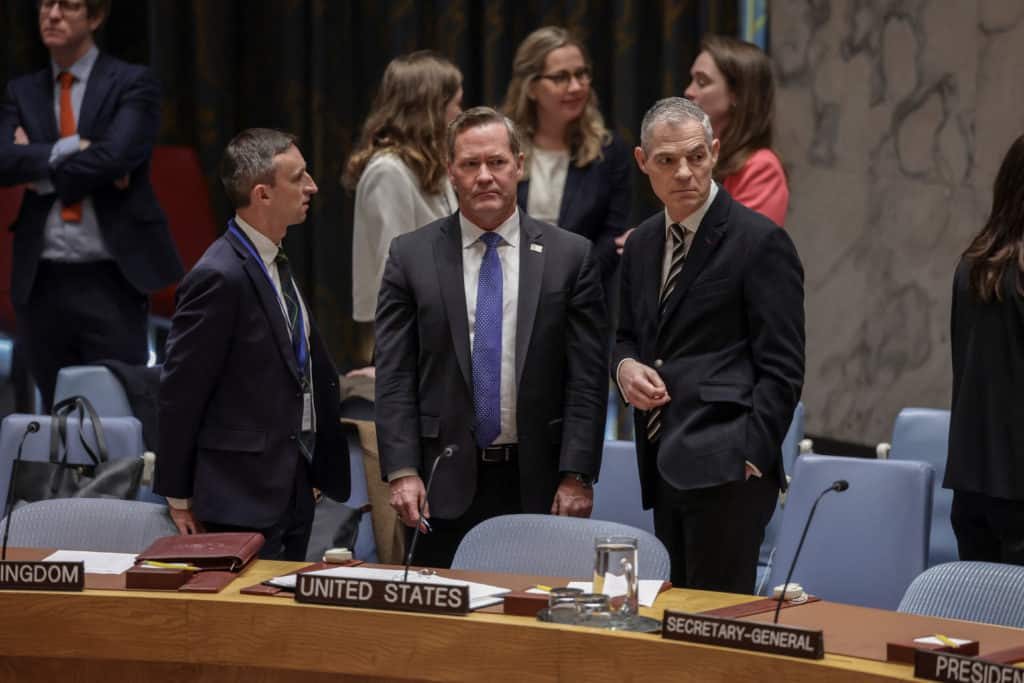
This statement comes as Russia and China vetoed a United Nations Security Council resolution aimed at reopening the Strait of Hormuz. The resolution, which had been repeatedly watered down, ultimately failed to pass with an 11-2 vote, including two abstentions. Russia and China defended their veto by citing US President Donald Trump's threat to Iran's civilization as evidence that the resolution would have granted the US and Israel broad authority for aggression. They argued that the resolution did not address the root causes of the conflict and failed to acknowledge that the US and its allies initiated the war.
One-fifth of the world's oil typically passes through the Strait of Hormuz, and Iran's actions have led to soaring energy prices. The resolution demanded that Iran cease attacks on merchant vessels and stop impeding navigation. In response to US and Israeli attacks, Iran had targeted civilian infrastructure in various countries. President Trump had issued a stark warning of retaliation against Iran, but later suspended a threatened attack for two weeks, contingent on Iran agreeing to a ceasefire and reopening the strait. Iran accepted this proposal, allowing passage through the strait during the ceasefire period.