Key facts
- A Russian missile strike damaged a warehouse at the TIS container terminal in Ukraine's Pivdennyi (Southern) Port complex on Aug. 14.
- The TIS container terminal was purchased by Swiss-headquartered Mediterranean Shipping Company (MSC) in March.
- Russia rejected the idea of reinstating the Black Sea grain initiative on Aug. 14.
- Ukraine's exports fell to 30% of their target in the first two weeks of August.
- Ukraine could lose 10.8 billion euros ($12.5 billion) in blocked agricultural exports by November.
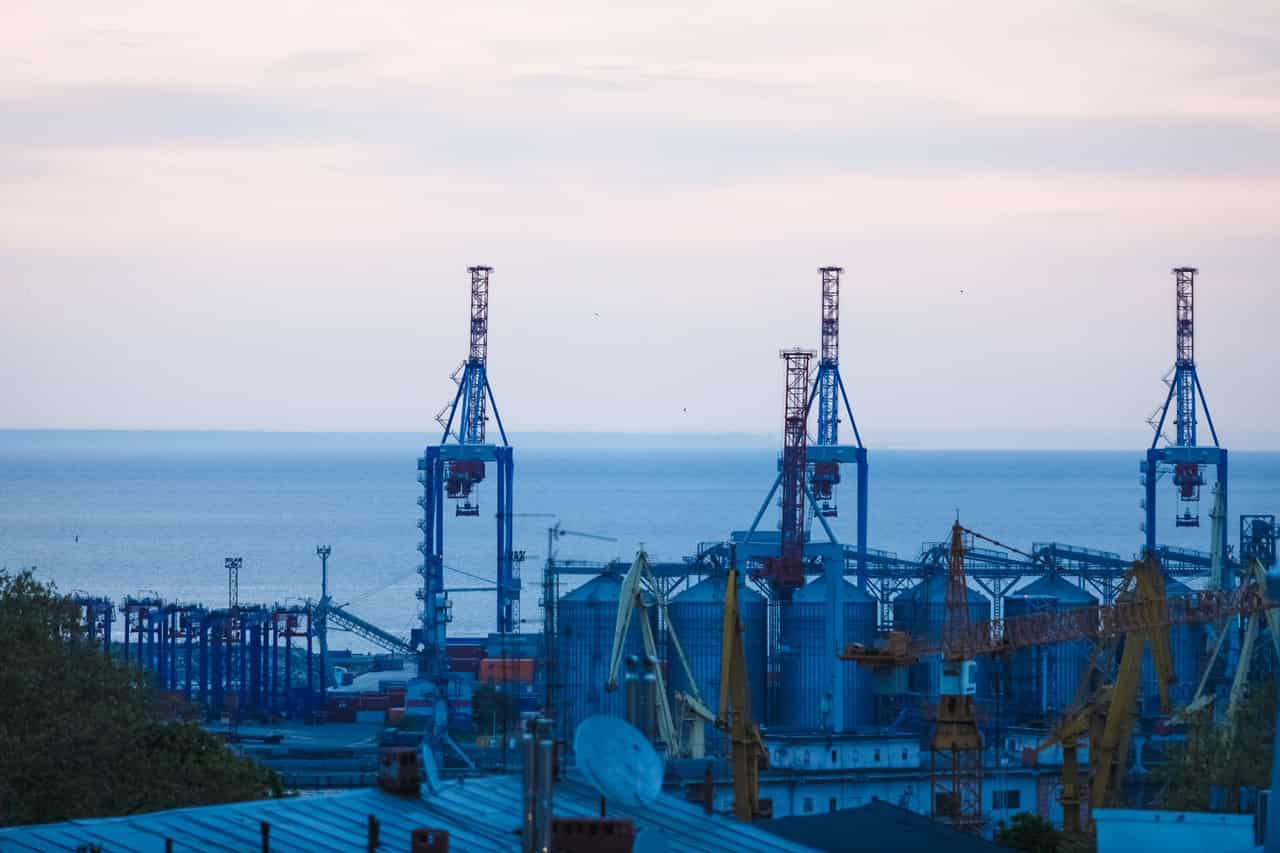
A Russian missile strike on August 14 damaged a key Ukrainian port terminal in Odesa, an attack that occurred shortly after the facility was acquired by the world's largest shipping firm, Mediterranean Shipping Company (MSC). The strike hit at least one warehouse at the TIS container terminal within the Pivdennyi (Southern) Port complex.
The TIS terminal, described as Ukraine's longest and deepest container terminal with a capacity of 8 million metric tons annually, handles various cargo including coal, containers, ore, grain, and fertilizers. It is co-owned by Ukrainian businessman Andriy Stavnitser. The acquisition by MSC, a Swiss-headquartered company, was seen as a significant foreign investment during the ongoing conflict, though deal specifics remain undisclosed.
The attack coincides with Russia's rejection of proposals to reinstate the Black Sea grain initiative, which previously facilitated the export of Ukrainian agricultural products. Russian Foreign Ministry spokesperson Maria Zakharova stated that reviving the framework would be "ill-advised," accusing the West of using the deal to attack Russia and labeling Ukraine's actions as "maritime terrorism."
Russia has intensified attacks on Odesa's seaports and civilian vessels over the past two months, aiming to disrupt Ukraine's crucial trade routes. Prior to the full-scale invasion, Black Sea exports accounted for approximately 90% of Ukraine's agricultural goods and 20% of its GDP. The recent attacks have led to ships avoiding Ukrainian ports, hindering exports for agriculture and metallurgy businesses.
The impact on Ukraine's exports is already severe. Agriculture Minister Taras Vysotsky reported that exports fell to just 30% of the target in the first two weeks of August. The Agriculture Ministry estimates that Ukraine could lose 10.8 billion euros ($12.5 billion) in blocked agricultural exports by November.