Key facts
- Kazakhstan signed agreements worth over $12 billion during President Tokayev's visit to Brussels.
- A major deal involves the purchase of 50 Airbus passenger jets for €7.1 billion.
- The EU and Kazakhstan agreed to enhance cooperation on critical raw materials, batteries, and green hydrogen.
- The EU aims to expand energy cooperation with Kazakhstan to reduce reliance on Russian supplies.
- A US-backed consortium is seeking $20 billion to develop critical mineral projects in Central Asia, including Kazakhstan.
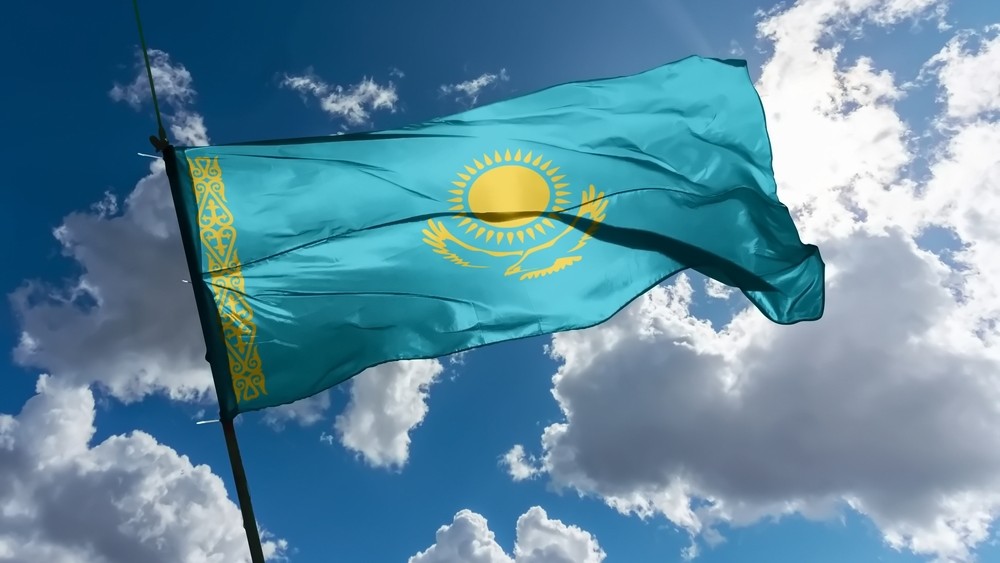
Kazakhstan has secured over $12 billion in agreements and memorandums of understanding during Kazakh President Kassym-Jomart Tokayev's visit to Brussels, signaling strengthened energy and trade ties with the European Union. A significant component of these deals is the purchase of 50 Airbus passenger jets, valued at €7.1 billion.
The visit, which concluded on June 23, emphasized the strategic importance of the Trans-Caspian International Transport Route and aligned with the EU's Global Gateway program. Discussions between Tokayev and EU officials, including European Commissioner for Trade and Economic Security Maroš Šef?ovi?, focused on deepening cooperation in critical raw materials, batteries, and the development of green hydrogen value chains.
The EU also expressed a strong interest in expanding energy cooperation with Kazakhstan to diversify its energy sources and reduce dependence on Russian supplies. This includes potential discussions about Kazakhstan's participation in a trans-Caspian pipeline, especially following the recent announcement of substantial new oil and natural gas reserves in the Ustyurt Plateau, which could make such a route economically viable. Brussels acknowledged Kazakhstan's role as a key supplier of oil and uranium and explored opportunities in renewable and peaceful nuclear energy.
In parallel, a US-government-backed initiative, the Orion Critical Mineral Consortium, is reportedly seeking to raise $20 billion to finance critical mineral projects in Asia, including Kazakhstan and Uzbekistan. This effort aims to reduce China's dominance in the supply of essential materials like copper, lithium, and rare earth elements, ensuring greater access for the US and EU.