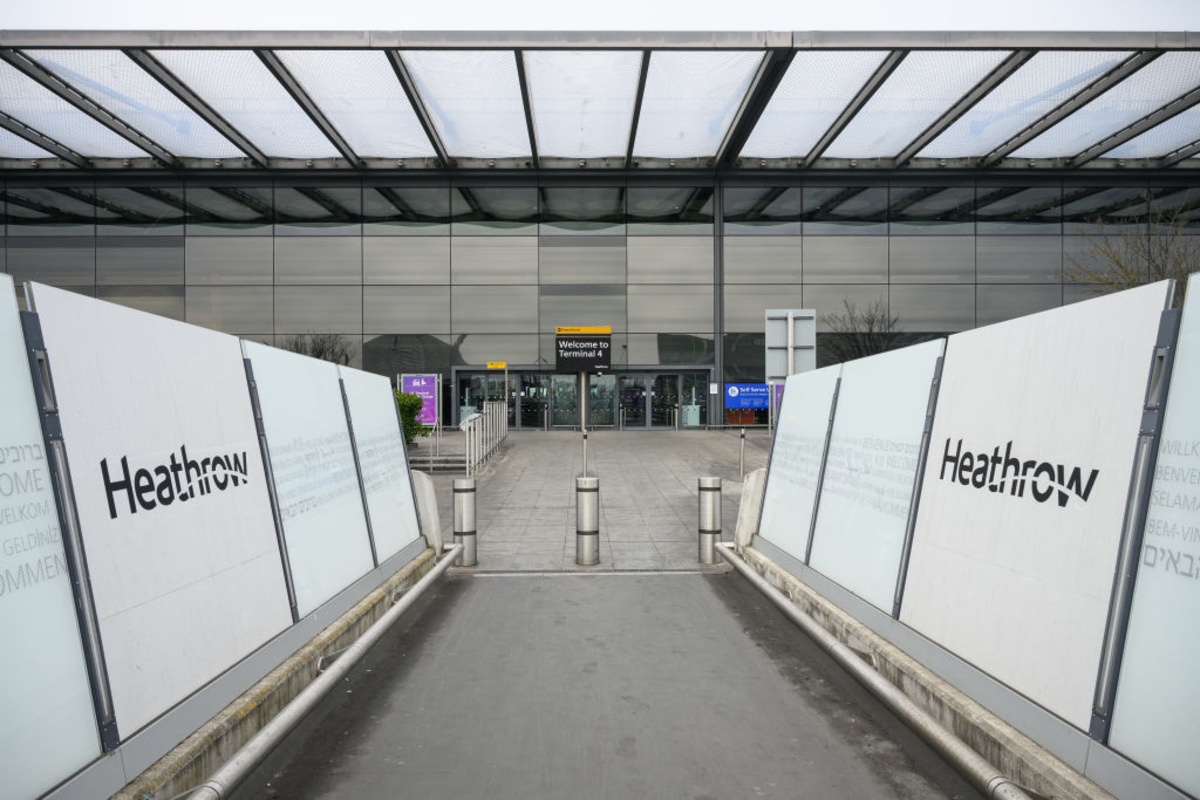
Heathrow Airport Limited (HAL) has informed its creditors that the ongoing conflict in the Middle East, specifically the Iran war, is expected to negatively impact passenger volumes at the west London hub. In a bi-annual report to bondholders, HAL stated that while passenger numbers rose 0.7% in the first five months of 2026, geopolitical events are exerting "notable downward pressure" on full-year traffic.
The airport now forecasts a traffic range of between 84.5 million and 80.1 million passengers for the year, representing a 1.1% decrease compared to the previous year. HAL indicated that continued volatility in the Middle East could dampen global travel demand beyond the immediate region.
The aviation industry has been anticipating negative effects from the Iran war, particularly due to the closure of the Strait of Hormuz, which has disrupted aviation fuel supply and doubled kerosene prices. While some carriers have raised airfares, others like Ryanair and IAG have benefited from hedging arrangements.
In the same update, HAL reiterated its opposition to the Civil Aviation Authority's (CAA) proposed overhaul of Heathrow's regulation. The airport operator argues that the watchdog's plan to curb spending and charges would hinder improvement efforts. HAL described the proposed framework as lacking a "clear or investable pathway" and has called for adjustments to ensure improved consumer outcomes.
The CAA's revamped plan, published in March, largely disregarded Heathrow's lobbying for higher fees to fund infrastructure upgrades. Under the proposed regulations, Heathrow would remain the world's most expensive major airport, but the increase in the 'passenger charge' would be less than HAL had sought. The CAA is expected to release its final proposals in November 2026, with a final decision anticipated in April 2027.