Key facts
- Iran has targeted US military bases in Gulf nations, including Bahrain, Kuwait, and Saudi Arabia.
- The US Navy's headquarters in Bahrain sustained extensive damage, which has not been publicly disclosed by the Pentagon.
- US officials are considering relocating some bases and operations, potentially to Israel, and reducing presence in Kuwait and Saudi Arabia.
- Iran also targeted civilian sites, including airports and hotels, in addition to oil and gas infrastructure.
- Gulf air defenses were largely effective against Iranian missiles, but drones proved harder to repel.
The United States is reportedly reassessing its military presence in the Middle East following a series of Iranian attacks on its bases and civilian infrastructure across Gulf Cooperation Council (GCC) nations. The Wall Street Journal reported that damage to the US Navy's command headquarters in Bahrain was extensive, a fact not publicly disclosed by the Pentagon. This assessment has led to discussions about potentially relocating some US bases and operations, with Israel being considered as a possible new location, while also contemplating a reduced military footprint in Kuwait and Saudi Arabia.
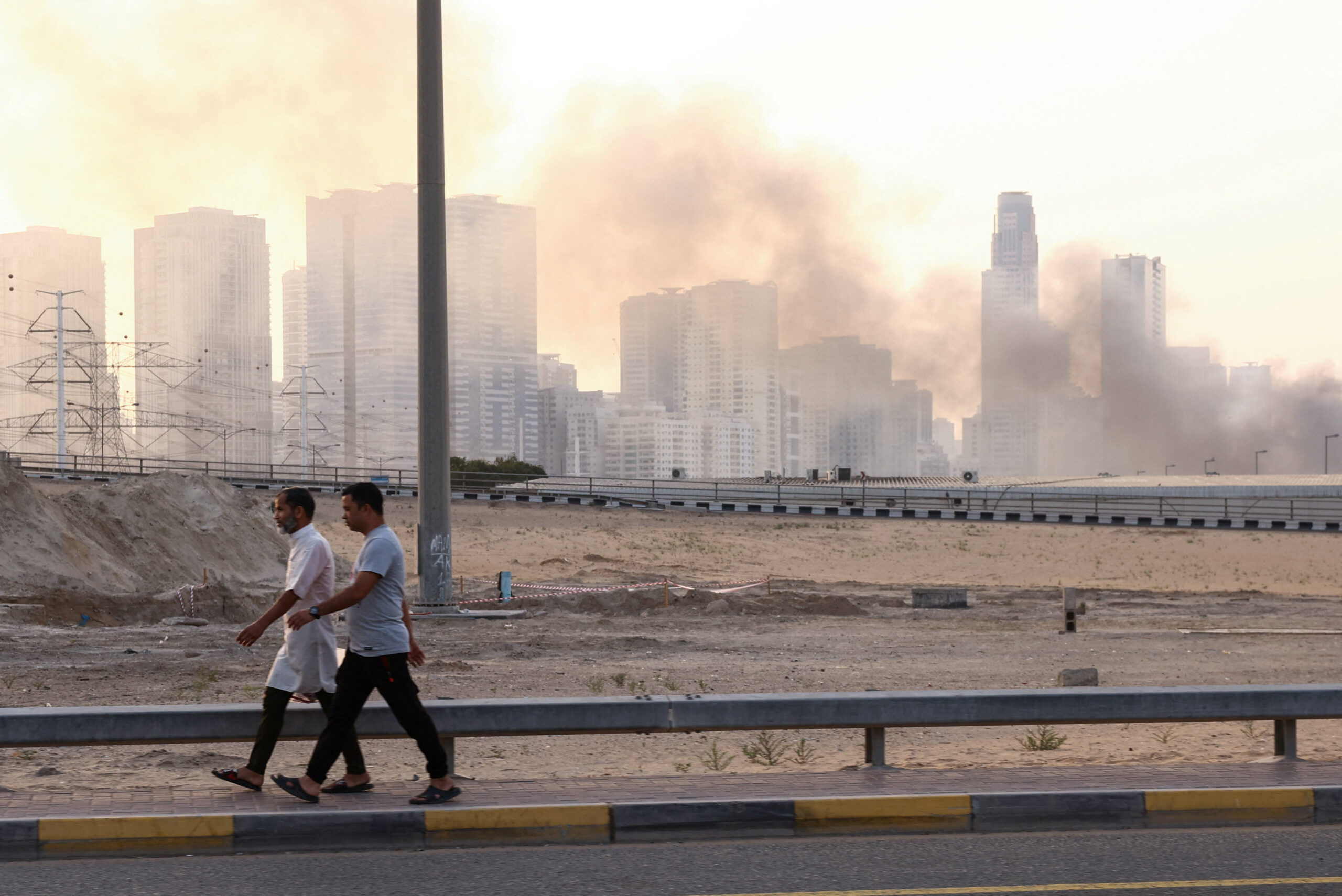
These developments come amid an ongoing conflict between Tehran and Washington, which has now lasted nearly 100 days. Iran's assaults have targeted not only US military installations but also civilian sites like airports and hotels, as well as major oil and gas infrastructure. While Gulf air defenses have shown effectiveness against missiles, Iranian drones have presented a more persistent challenge. The overwhelming Iranian assault on the UAE, which suffered hundreds of drones and missiles, has been particularly noteworthy, impacting the region's reputation as a business hub.
In response to the escalating tensions, GCC states have demonstrated solidarity. US President Donald Trump commented that the Iranian attacks were a significant surprise, noting the Gulf countries' insistence on involvement. The events are forcing a reassessment of national security and economic strategies across the region, with lasting consequences anticipated long after military operations conclude.