Key facts
- Iran's Civil Aviation Authority stated that flights nationwide are continuing as scheduled.
- Earlier reports indicated cancellations from western Iranian airports.
- Existing flight restrictions in parts of western Iran remain in place.
- Airspace over Iran, Israel, Iraq, Qatar, Bahrain, Kuwait, and Syria remained closed.
- Several major airlines suspended or rerouted flights due to the situation.
- The UK Foreign Office issued travel warnings for several Middle Eastern countries.
Amid heightened regional tensions, Iran's Civil Aviation Authority stated that flights nationwide are continuing as scheduled and that no new nationwide aviation notices have been issued. Earlier reports from Tasnim news agency had indicated cancellations from western Iranian airports, but ISNA news agency confirmed that existing restrictions in parts of western Iran remain in place and have not changed.
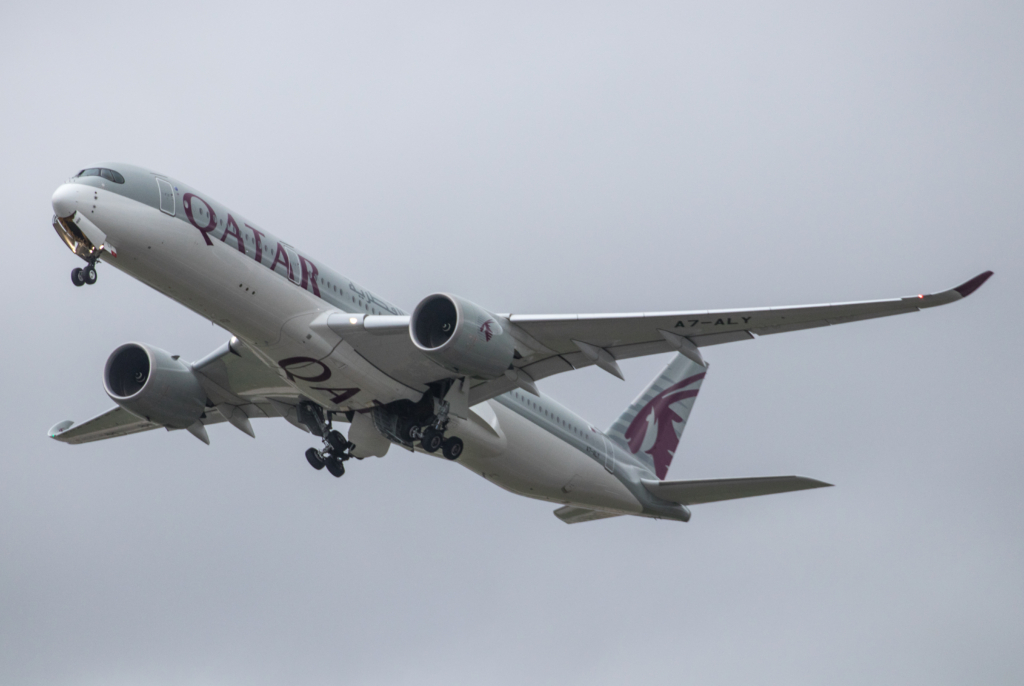
The situation follows US and Israeli strikes against Iran, which led to retaliatory attacks by Iran on Gulf states. Consequently, airspace over Iran, Israel, Iraq, Qatar, Bahrain, Kuwait, and Syria remained closed. Several airlines adjusted operations: Emirates suspended flights in and out of Dubai until Monday afternoon, Etihad suspended flights out of Abu Dhabi until early Monday, and Qatar Airways temporarily suspended operations due to airspace closures. British Airways cancelled services to Tel Aviv and Bahrain until Wednesday, and Virgin Atlantic suspended flights between London and Riyadh and Dubai.
The UK Foreign Office issued warnings against non-essential travel to Bahrain, Kuwait, Qatar, and the United Arab Emirates, advising those already there to shelter. Long-haul travel has been affected, with rerouting causing delays. Reports indicate a drone attack on Bahrain's airport, and explosions were heard in Doha, with Qatar's defence ministry stating it intercepted Iranian missiles.