Key facts
- Russian attacks have targeted Ukraine's cultural sites, aiming to erase distinct cultural identities.
- Ukrainian cultural institutions are functioning as community centers, providing relief amid the war.
- Existing international and Ukrainian support for the cultural sector is deemed insufficient.
- Capacity-building initiatives are a growing focus, but substantial financial aid is still needed.
- Support for Ukraine's cultural sector is crucial for national resilience and hope during the conflict.
The international community is urged to provide more substantial support for Ukraine's cultural sector, which is essential for the country's resilience and identity but faces severe shortages of staff and funding due to ongoing Russian attacks. While sites of cultural significance are often damaged or destroyed, leading to international condemnation, sustained attention and aid are lacking.
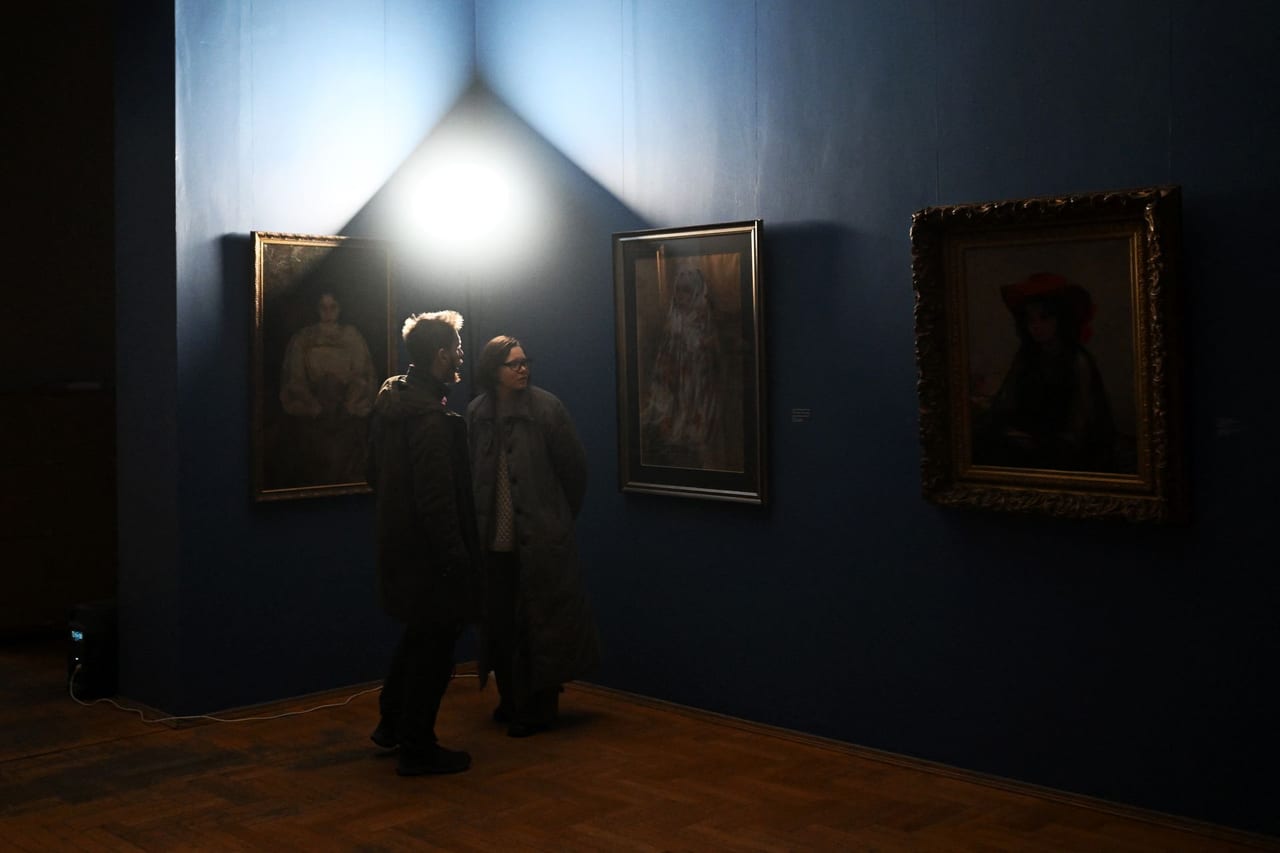
Ukrainian cultural organizations, including museums, libraries, and theatres, are working diligently to safeguard their holdings and remain accessible to the public, often functioning as community centers that offer emotional relief. The creative sector, encompassing literature, theatre, music, and film, also provides crucial intellectual and emotional sustenance during the prolonged crisis. These institutions and industries are seen as vital to Ukraine's ability to resist, potentially motivating Russian attacks aimed at erasing Ukrainian cultural identity.
Despite efforts by various international donors like ALIPH and the Goethe-Institut, alongside Ukrainian initiatives such as Museum for Change and the Culture Resilience Alliance, the resources allocated to the cultural sector are described as a "drop in the ocean" compared to defense and economic aid. While capacity-building initiatives, like workshops and specialized literature translation, are gaining traction and can have a significant impact, they are not sufficient on their own.
Experts emphasize that expertise flows in both directions, with Ukrainian cultural professionals demonstrating remarkable ingenuity in emergency response, digitization, and maintaining operations amidst power outages and air raids. However, beyond capacity building, substantial financial aid is critically needed to restore damaged infrastructure, retain skilled staff, safeguard collections, and support research. Increased international generosity is deemed necessary for Ukrainians to continue accessing a vibrant cultural life that bolsters their hope during wartime.