All NewsEducationTV
Equities & FundsCrypto & Digital AssetsAI & TechnologyBusiness & CorporateUS Politics & PolicyGeopolitics & Global RiskMacro, Rates & FXCommodities & EnergyEuropean Politics & MarketsAsia-PacificReal Estate & Property
Story archiveAll categories
← All Stories

Disinformation Fuels Rise in Anti-Ukrainian Attacks in Poland

Created at 27 Jul · 4:06 PM1 source↑ Market-relevant
IN SHORT

Nationality-based attacks against Ukrainians in Poland, including physical assaults and verbal abuse, have increased significantly. Experts point to a combination of Russian disinformation campaigns, historical grievances, and domestic Polish politics as contributing factors to the worsening relations and rising hate crimes.

✉Newsletter

PiQ Daily

Pick your topics. Get only what matters, on your cadence.

Key Numbers

180hate crime reports against Ukrainians in Poland in H1 2026
30%increase in hate crimes against Ukrainians year-over-year
900,000+Ukrainian refugees hosted in Poland
2014year majority of Poles opposed taking refugees for the first time

Who's Involved

Pawel Cymbor
Fact-checking group FakeNews.pl
Anna Mierzynska
Social media analyst and disinformation expert
Andrzej Kozlowski
Cybersecurity and disinformation researcher
Paulina Wielogorska
Disinformation analyst at Poland's NASK
Karol Nawrocki
Polish President
Volodymyr Zelensky
Ukrainian President
Olena Babakova
Polish-Ukrainian journalist and report author
Disinformation Fuels Rise in Anti-Ukrainian Attacks in Poland

↳ Why This Matters

The rising attacks and disinformation targeting Ukrainian refugees in Poland highlight the fragility of international solidarity and the complex interplay of geopolitics, historical memory, and domestic politics in shaping public opinion and safety for vulnerable populations.

Key facts

  • Nationality-based attacks against Ukrainians in Poland, including physical assaults and verbal abuse, are on the rise.
  • Polish police recorded 180 hate crime reports against Ukrainians in the first half of 2026, a 30% increase year-over-year.
  • Ukraine's naming of a military unit after the World War II-era UPA, viewed negatively in Poland due to its role in massacres, has strained relations.
  • Disinformation, including alleged Russian efforts, is identified as a significant factor exacerbating tensions and fueling hate crimes.
  • A majority of Poles now oppose taking in Ukrainian refugees, a shift from previous years.

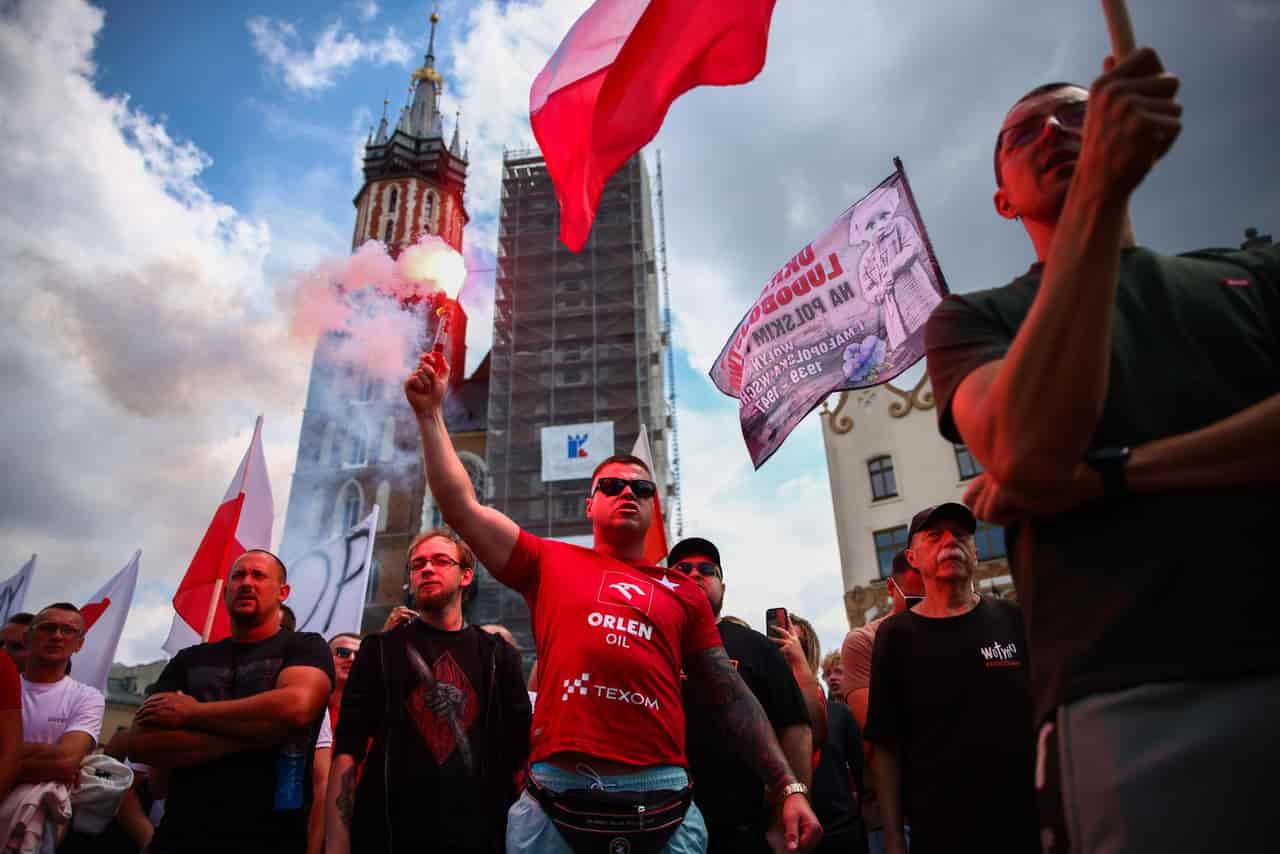
Attacks and hate speech targeting Ukrainian refugees and migrants in Poland have seen a marked increase, fueled by a complex mix of factors including Russian disinformation campaigns, historical grievances, and domestic Polish politics. Polish police have reported a significant rise in hate crimes, with over 180 incidents recorded in the first half of 2026, a 30% jump from the previous year.

The strained relations between Poland and Ukraine have been exacerbated by Ukraine's decision to name a military unit after the World War II-era Ukrainian Insurgent Army (UPA), an organization viewed by many Poles as responsible for massacres of Poles. This dispute has led to a significant worsening of public opinion in Poland towards Ukraine and its people, with a recent poll indicating that a majority of Poles now oppose accepting Ukrainian refugees.

Experts and fact-checkers have identified a surge in disinformation, with some efforts traced back to Russian operations and Vietnam-based online content farms. These campaigns often fabricate or distort incidents to portray Ukrainians negatively, attributing crimes to them or falsely claiming they provoked attacks against themselves. Russian intelligence services are suspected of either inspiring or directly engaging resources to conduct such disinformation operations, aiming to drive a wedge between Ukraine and its allies.

However, Russian disinformation is not the sole driver. The initial wave of pro-Ukrainian solidarity following Russia's full-scale invasion has cooled, giving way to resentment and disputes over trade and historical issues. Anti-Ukrainian sentiments have become a political tool, particularly for right-wing and far-right parties in Poland, who have used it to mobilize voters. A recent report confirmed that Ukrainian migrants and refugees are experiencing increased discrimination and verbal abuse, with some identifying the 2025 Polish presidential election as a turning point in public acceptance of such manifestations.

Frequently asked questions

The Ukrainian Insurgent Army (UPA) was a World War II-era Ukrainian nationalist military formation. While viewed in Ukraine as a resistance movement against Soviet rule, it is remembered in Poland primarily for its role in the Volyn massacres, the mass killing of Poles.

Poland hosts over 900,000 people who fled Russia's full-scale invasion, making it the second-largest Ukrainian refugee population in the EU and Poland's largest ethnic minority.

A June poll indicated that over half of Poles' views of Ukraine and Ukrainians had worsened due to the UPA dispute. Another survey showed that for the first time since 2014, a majority of Poles oppose taking in Ukrainian refugees.

Disinformation, including alleged Russian efforts, circulates false claims about crimes committed by Ukrainians, distorts incidents to blame victims, and amplifies negative narratives to turn public opinion against Ukraine and its refugees.

What Happens Next

01Experts expect right-wing parties to continue using anti-Ukrainian sentiment in upcoming parliamentary elections.

Get the newsletter.

Pick the topics you actually care about. We'll email when there's news worth your time, on the cadence you choose. Cancel any time from your account.

Cadence

How It Developed

Nationality-based attacks against Ukrainians in Poland have increased.
Polish police received 180 reports of hate crimes against Ukrainians in the first half of 2026.
Ukraine named a military unit after the World War II-era UPA, sparking outrage in Poland.
Over half of Poles reported a worsened view of Ukraine due to the UPA name dispute.
Fact-checkers noted an increase in disinformation targeting Ukrainians in Poland.
Social media accounts spread fabricated stories blaming Ukrainians for crimes or incidents.
Russian intelligence services are suspected of orchestrating some anti-Ukrainian provocations and amplifying negative events.
Anti-Ukrainian sentiment has become a political tool in Poland, particularly for right-wing parties.

Sources

T1
Attacks on Ukrainians in Poland are rising. Disinformation fuels the flamesThe Kyiv Independent

Related Stories

International community urged to boost support for Ukraine's cultural sector
27 Jul · 4:51 PM
Ukrainian drones kill five in Russia's Rostov region
27 Jul · 1:41 AM
Russian strikes kill 10, sink cargo ship near Odesa
26 Jul · 6:26 PM
Ukraine drone attacks injure 12 in Belgorod, damage property
26 Jul · 11:19 PM
Russia Destroys Last Gas Station on Kharkiv-Poltava Highway; 9 Killed in Attacks
27 Jul · 1:26 PM