Indian Air Force plane crash kills five personnel
IN SHORT
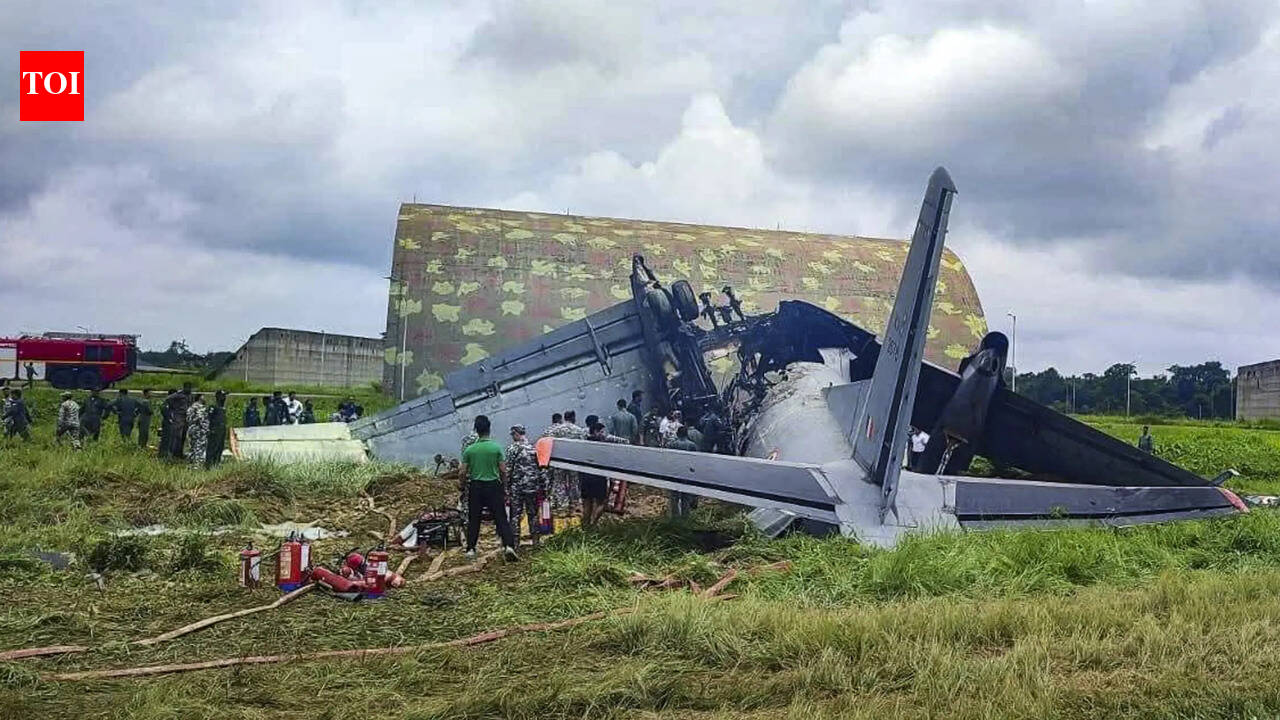
An Indian Air Force An-32 transport aircraft crashed during a routine flight near Jorhat, Assam, killing five personnel. The co-pilot survived and is receiving treatment. The IAF has launched an investigation into the cause of the accident.
Key Numbers
5personnel killed in crash
1000happroximate time of accident
Who's Involved
Indian Air Force
operating the An-32 aircraft involved in the crash
Sqn Ldr Prashant Singh
among the five personnel killed
Flt Lt Shubham Kumar
among the five personnel killed
Sgt Jitendra Sharma
among the five personnel killed
Agniveervayu Khemaram Kumawat
among the five personnel killed
Agniveervayu Danish Alam
among the five personnel killed
Rajnath Singh
Defence minister who expressed condolences
↳ Why This Matters
The crash highlights potential issues with aging military aircraft fleets and underscores the risks faced by air force personnel during routine operations. It also prompts a review of the operational readiness and maintenance of such aircraft.