Key facts
- IAEA report shows no major changes in its assessment of Iran's nuclear program.
- The IAEA repeated calls for Tehran to explain the fate of enriched uranium stockpiles.
A new IAEA report indicates no significant shifts in Iran's nuclear program assessment. The agency reiterated its calls for Tehran to account for enriched uranium stockpiles, which have been missing since a U.S.-Israeli bombing campaign a year ago. The IAEA has lost continuity of knowledge regarding previously declared nuclear material at affected sites.
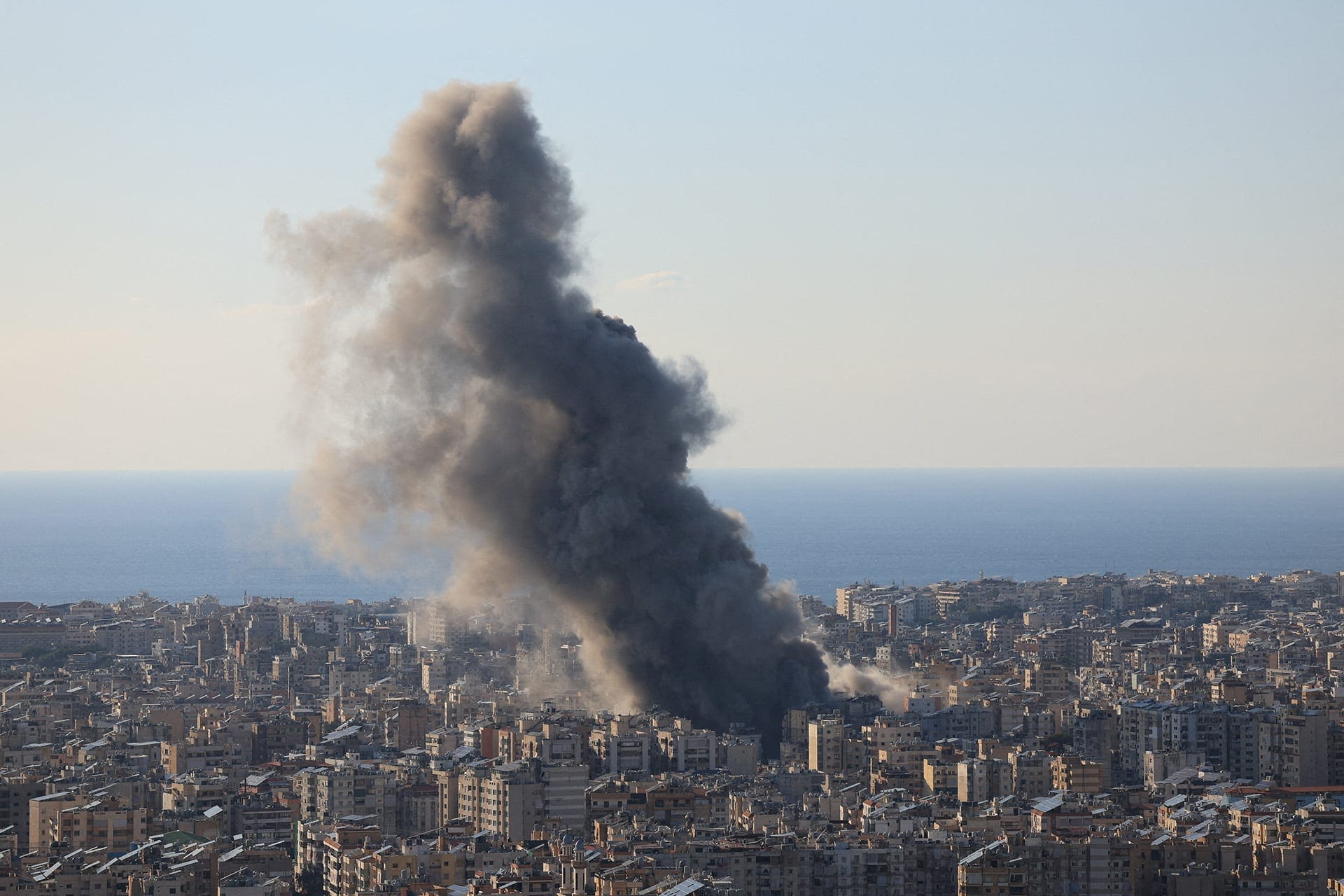
The International Atomic Energy Agency (IAEA) has released a report to member states indicating no major changes in its assessment of Iran's nuclear program. This assessment comes despite the ongoing U.S.-Israeli war, which has the stated aim of preventing Iran from developing nuclear weapons. The report, the first since late February air strikes by the U.S. and Israel, reiterates the IAEA's calls for Tehran to explain the fate of enriched uranium stockpiles. These stockpiles have been unaccounted for since a U.S.-Israeli bombing campaign a year ago targeted Iran's main nuclear sites. The IAEA has emphasized the urgency of implementing the Non-Proliferation Treaty Safeguards Agreement, noting that its loss of continuity of knowledge over previously declared nuclear material at affected facilities is a matter of proliferation concern. Iran has yet to inform the IAEA of the fate of its low- and highly enriched uranium stocks, including material enriched to up to 60% purity, which is close to weapons-grade. The agency has been unable to return to nuclear sites bombed last June. The war in Iran is still ongoing.
The report highlights ongoing concerns about Iran's nuclear activities and its compliance with international safeguards, particularly in the context of regional tensions and military actions.