Key facts
- Nearly half of dialysis machines at Gaza's al-Shifa Medical Complex are non-operational.
- A shortage of sodium bicarbonate has taken 25 machines out of service.
- Reduced dialysis sessions and frequency are putting approximately 240 patients at serious risk.
- The cuts increase the danger of fatal heart and respiratory complications.
- Hospitals across Gaza face critical shortages of medicines and functioning equipment.
- An estimated 1,200 people with kidney disease could face life-threatening complications.
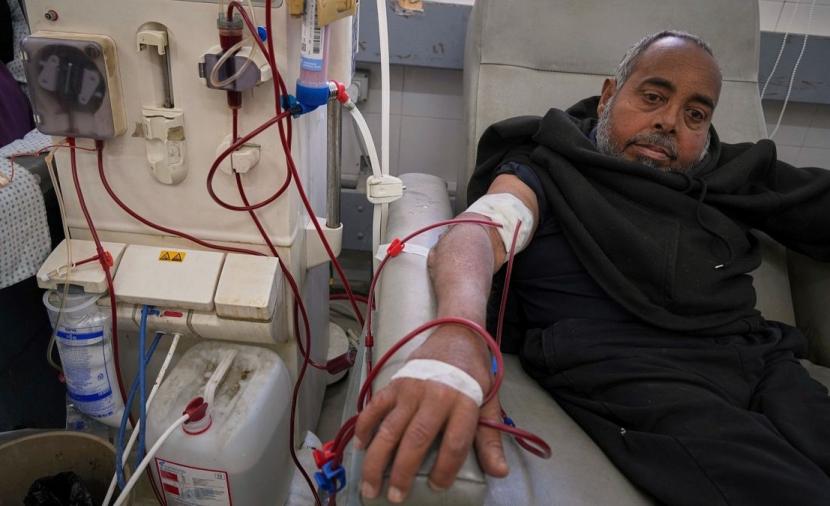
Nearly half of the dialysis machines at Gaza’s largest hospital, al-Shifa Medical Complex, have ceased functioning due to a severe shortage of essential supplies, including sodium bicarbonate. Dr. Ghazi al-Yaziji, head of the artificial kidney department, stated that 25 machines are out of service, leaving only 26 operational, many of which are working partially. This situation forces medical teams to shorten dialysis sessions and reduce their frequency, placing approximately 240 patients with Stage 5 chronic kidney failure at serious risk of fatal heart and respiratory complications.
Hospitals across the Gaza Strip are reporting a significant decline in the condition of patients with advanced kidney failure. Medical staff warn that ongoing conflict and restrictions on supplies have overwhelmed specialized departments, impacting hundreds of patients who require regular, life-sustaining treatment. At al-Shifa, the nephrology department is operating beyond its capacity, with many aging machines lacking spare parts. Physicians also note that patients are suffering from severe anemia due to the unavailability of medications to stabilize hemoglobin levels.
The mortality rate among kidney patients has dramatically increased over the years of conflict, partly because several dialysis units have stopped operating entirely. Travel restrictions and damaged infrastructure further hinder patients' ability to reach hospitals for timely treatment. Medical officials estimate that around 1,200 individuals with kidney disease in Gaza could face life-threatening complications if shortages persist. Health officials are urgently calling for the delivery of dialysis machines, spare parts, and essential drugs to prevent further preventable deaths.