Key facts
- Israeli strikes have damaged or destroyed revered heritage sites across southern Lebanon, according to Lebanese Culture Minister Ghassan Salame.
- A UNESCO-listed site in Tyre and a pilgrimage site in another southern town were among those damaged.
- The Israeli military stated it strikes only out of military necessity and considers sensitive sites.
- UNESCO has expressed concern over the damage to the World Heritage Site of Tyre and other cultural properties.
- Lebanon has requested UNESCO reclassify Tyre as a World Heritage Site in Danger.
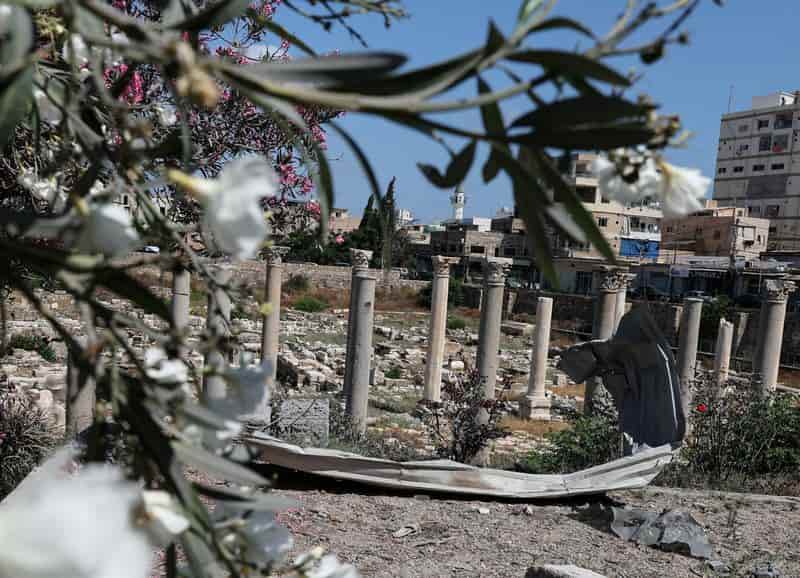
Israeli air and ground campaigns in southern Lebanon have damaged or destroyed revered heritage sites, including ancient columns at a UNESCO-listed site in Tyre and a pilgrimage site in another town, Lebanese Culture Minister Ghassan Salame told Reuters. The Mamluk-era market in Nabatieh was also hit, and centuries-old villages were razed.
Salame stated that a full assessment of the damage is difficult as Israeli troops still occupy a zone about 10 km deep into Lebanon, which is off-limits to Lebanese authorities. He described villages within this zone as having been completely bulldozed, and noted that even ancient towns outside the zone, like Tyre and Nabatieh, were hit by air strikes. Fears also exist for the Crusader fortress in Tebnin.
The Israeli military responded that it does not aim to cause excessive damage to civilian infrastructure and strikes only out of military necessity, while taking into account sensitive sites. Israel has accused Hezbollah of placing weapons in Beaufort Castle, a claim denied by Lebanese authorities.
Officials in Tyre described the damage to its Roman ruins as severe, with barriers meant to protect the ancient site being destroyed. UNESCO has expressed concern over the state of conservation of Tyre and other cultural properties, condemning what it described as unlawful attacks. Salame has requested UNESCO reclassify Tyre as a World Heritage Site in Danger to trigger increased international protection.