Key facts
- Donald Trump has threatened to declare the Strait of Hormuz as US territory.
- Iran has responded with strong warnings against such a declaration.
- The conflict has led to a halt in crude oil shipments through the strait.
- Around 20% of global oil supply normally flows through the Strait of Hormuz.
- The FTSE 100 is expected to see an increase in stock values.
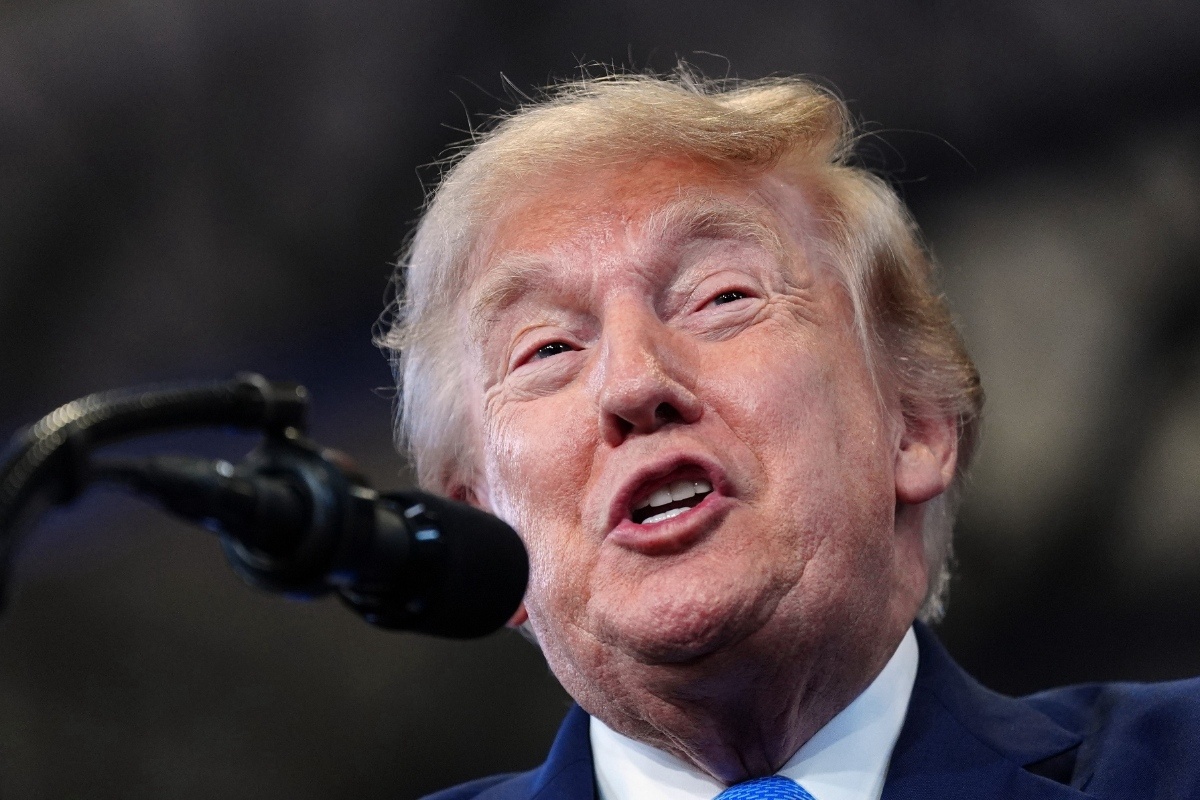
London's FTSE 100 index is poised for a higher opening as escalating tensions between the United States and Iran over the Strait of Hormuz continue. President Donald Trump has issued a threat to claim the vital waterway as US territory, a move that has drawn a sharp rebuke from Tehran.
Trump stated he would make the declaration "pretty soon," following weeks of stalemate in the conflict that began on February 28. He asserted that no ships would pass through the strait without US approval, describing it as a blockade. "After we finish defeating Iran, which is being very badly defeated, pretty soon I’ll be declaring the Hormuz strait a territory of the United States," Trump said.
Iran's response was swift and forceful. Major General Amir Hatami referred to Trump's remarks as a "major mistake" and warned that the nation possesses "defenders who will break your legs." Kazem Gharibabadi, Iran's deputy foreign minister, posted on X that the strait would only be opened and closed under Iran's command, and that Iran would continue to enforce the blockade if the US did not accept "the reality of defeat."
Oil prices have remained elevated, holding around $88 per barrel, reflecting the market's concern over potential supply disruptions. Analysis from ship-tracking firm Kpler indicates that only two vessels passed through the strait on Friday, with no crude oil shipments observed. This situation is significant as approximately 20% of global oil supply typically transits the Strait of Hormuz, with over 130 ships using the passage before the conflict began.