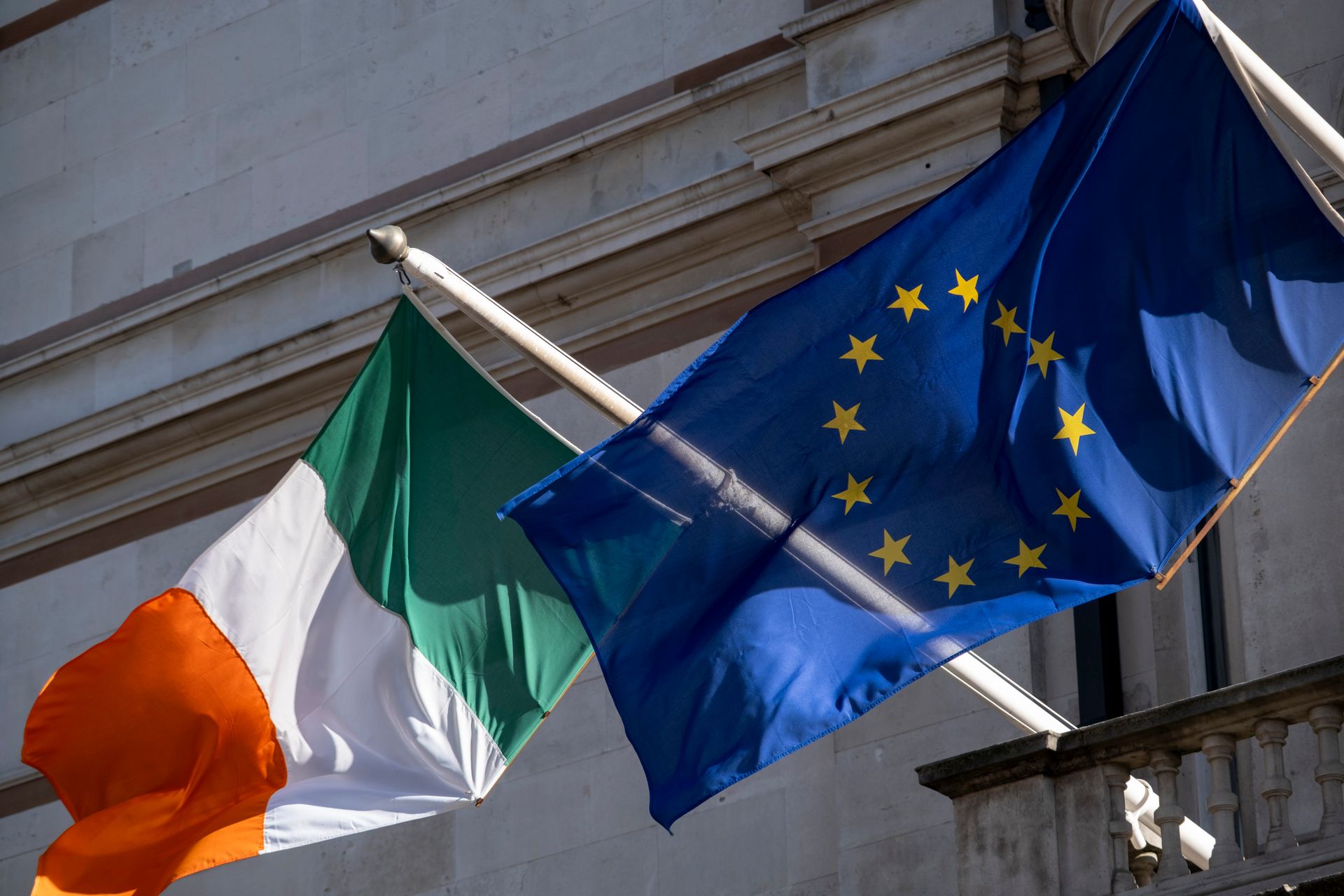
The European Union's upcoming sanctions package will not target Ireland's alumina exports to Russia, despite growing political pressure from European Parliament members and Estonia. An investigation earlier in May revealed that alumina produced at the Russian-owned Aughinish Alumina plant in Ireland was predominantly exported to Russia, where it was reportedly used to support the country's military-industrial complex and its war effort in Ukraine.
In response, 47 MEPs from various political groups sent a letter on June 15 to EU's top diplomat Kaja Kallas and Trade Commissioner Maros Sefcovic. They urged the redirection of Ireland's alumina exports to European industries and called for the issue to be addressed in the 22nd sanctions package. The MEPs stated that the "tools exist" and the "strategic rationale is beyond question," but that "political will" is missing, requesting a response within 30 days.
Estonia's Foreign Minister, Margus Tsahkna, also publicly advocated for these restrictions, noting that Tallinn had proposed similar measures in previous sanctions rounds. However, such restrictions are not anticipated in the 21st sanctions package, expected in June. The Irish government has indicated it is conducting an investigation and will share its findings with the European Commission, with Foreign Minister Helen McEntee assuring full support for measures to pressure Russia.
This situation arises at a politically sensitive time for Ireland, as it is scheduled to assume the EU's rotating Council Presidency on July 1, with a stated commitment to supporting Ukraine. Activists from the Alumina22 campaign have vowed to maintain pressure, stating that exclusion from the current sanctions package only sharpens their focus for sustained, multi-track efforts.