HomeEverythingEducationTV
Equities & FundsCrypto & Digital AssetsAI & TechnologyBusiness & CorporateUS Politics & PolicyGeopolitics & Global RiskMacro, Rates & FXCommodities & EnergyEuropean Politics & MarketsAsia-PacificReal Estate & Property
Story archiveAll categories
← All Stories

Cuba faces prolonged blackout amid energy crisis

Created at 13 Jul · 10:07 AM1 source↑ Market-relevant
IN SHORT

Havana residents are enduring daily blackouts due to the island's energy crisis, exacerbated by an oil blockade and aging infrastructure. The prolonged power outages are impacting essential services like water supply and food preservation, forcing communities to rely on mutual aid.

✉Newsletter

PiQ Daily

Pick your topics. Get only what matters, on your cadence.

Key Numbers

24 hoursduration of system failure
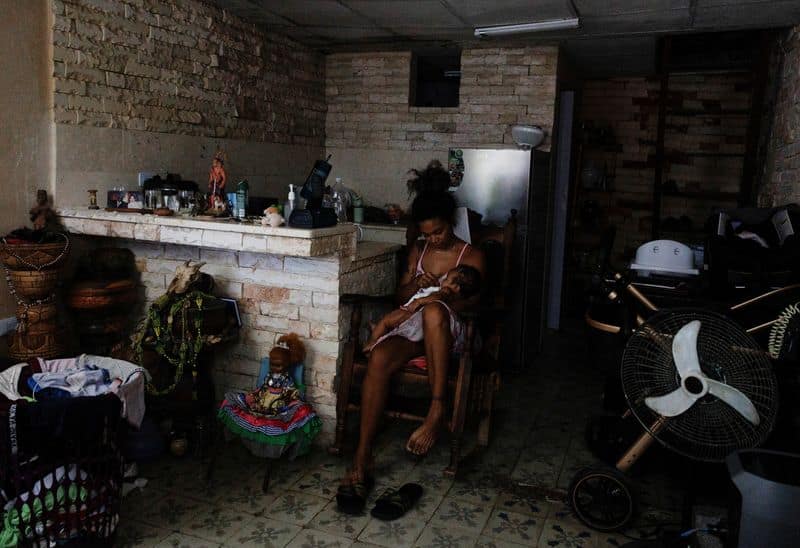
3-month-oldinfant nursed during blackout

Who's Involved

Frank Alfonso
resident experiencing blackouts and energy crisis
Yunaisi Durruti
resident facing water shortages due to power cuts
Thalía Castillo
resident using a generator for electricity
Lazaro Herrera
resident and Afro-Cuban priest using a generator
Melia
Spanish hotel group exiting Cuba
Cuba faces prolonged blackout amid energy crisis

↳ Why This Matters

The prolonged blackouts in Cuba underscore the severe impact of the island's energy crisis, driven by aging infrastructure and U.S. sanctions, on the daily lives of its citizens, affecting essential services and food security.

Key facts

  • Cuba's national grid collapsed, causing widespread blackouts across the island.
  • Residents in Havana are facing prolonged electricity shortages due to an energy crisis.
  • The lack of power has led to a week-long dry spell for water supply in some apartments.
  • Aging infrastructure and an oil blockade are cited as reasons for the crisis.
  • Community solidarity is helping residents cope with the severe shortages.

Cuba's national electricity grid collapsed over the weekend, plunging much of the island into darkness and exacerbating an ongoing energy crisis. Residents in Havana, particularly those living in cramped tenement buildings known as 'solares,' are enduring extended blackouts that have become their daily reality.

Frank Alfonso, a 39-year-old resident, described how the pervasive lack of electricity has disrupted normal life. He noted that the grid's collapse was barely noticeable to him and his neighbors, as they were already accustomed to frequent power outages. The situation has led to critical shortages, with one resident, Yunaisi Durruti, reporting no water for a week because the pump to her apartment requires electricity. Durruti, who previously worked in hospitality, now commutes to a neighborhood with more reliable power to manage basic needs like cooking and washing clothes.

The island's aging infrastructure is struggling to cope, compounded by a U.S.-imposed oil blockade. Residents like Thalía Castillo and Lazaro Herrera have managed to maintain some electricity thanks to a generator sent by relatives in the United States, but even this is a temporary solution. Herrera, an Afro-Cuban religious priest, noted that a prophecy from the beginning of the year warning of "convulsions and conflict" has seemingly come true.

Despite the hardships, a strong sense of community solidarity persists, with neighbors sharing resources like water. In a moment of shared experience, residents gathered in the street to watch Argentina's World Cup quarter-final match, hooking up a television to a generator, highlighting their resilience amidst the crisis.

Frequently asked questions

The blackouts are attributed to the collapse of Cuba's national electricity grid, exacerbated by aging infrastructure and an oil blockade imposed by the U.S.

Residents are experiencing extended periods without electricity, impacting water supply and food preservation. They are relying on community solidarity, generators, and external power sources where available.

A 'solar' is a type of tenement building in Havana, typically decades-old, that residents have subdivided into small living quarters.

What Happens Next

01Continued monitoring of Cuba's energy infrastructure and the impact of U.S. sanctions.
02Assessment of the effectiveness of community solidarity in mitigating the crisis.

Get the newsletter.

Pick the topics you actually care about. We'll email when there's news worth your time, on the cadence you choose. Cancel any time from your account.

Cadence

How It Developed

Cuba's national grid collapsed, leading to widespread blackouts.
Residents are experiencing prolonged electricity shortages due to the energy crisis.
The blackouts are affecting essential services such as water supply.
Neighbors are relying on mutual aid to cope with the shortages.
Some residents are using generators and external power sources to cope.
A community gathered to watch a World Cup match despite the blackout.

Sources

T1
Inside one Havana apartment building as Cuba went darkReuters

Related Stories

Congo rebels mount Ebola response separate from Kinshasa
13 Jul · 6:04 AM
Venezuela earthquake death toll climbs to 4,490
12 Jul · 7:29 PM
Iran reports missile launches towards Qeshm Island
12 Jul · 4:31 PM
Russia Claims Strikes on Chornomorsk Port, Damaging Infrastructure
13 Jul · 7:55 AM
Myanmar assures ASEAN Aung San Suu Kyi is healthy and cared for
12 Jul · 11:53 AM