Key facts
- US health officials oppose a proposed policy to treat Americans exposed to Ebola overseas.
- The policy would involve treating exposed individuals in Kenya or EU countries, not repatriating them.
- Officials argue the policy raises clinical, ethical, operational, and legal concerns.
- Concerns include discouraging frontline responders and diverting resources from outbreak control.
- A facility in Kenya for quarantining exposed US citizens was announced last week.
- A Kenyan court has temporarily suspended the plan for a quarantine facility.
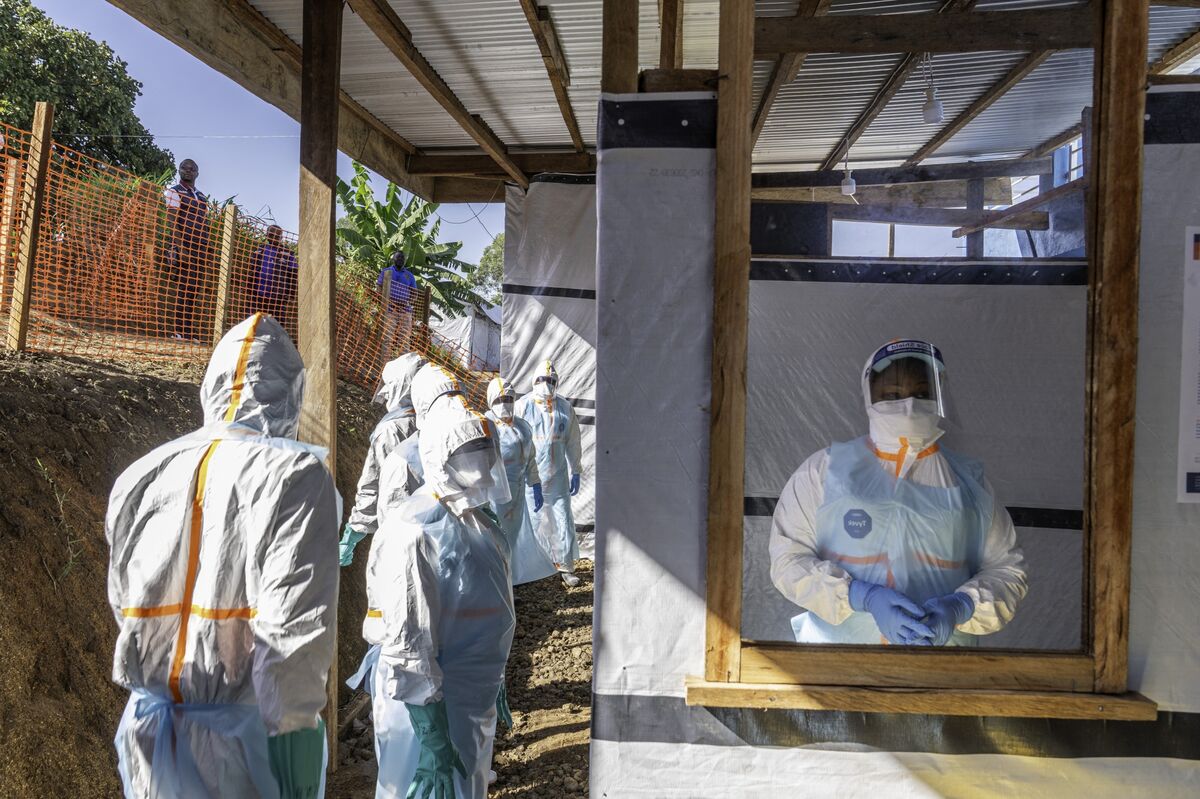
US health officials have voiced strong opposition to a proposed policy that would involve treating Americans exposed to Ebola in overseas facilities, rather than repatriating them to the United States. This plan, announced by the Trump administration, aims to prevent any Ebola cases from entering US territory. Officials argue that such a departure from longstanding medical repatriation practices raises significant clinical, ethical, operational, and legal concerns. They also expressed worry that this policy could deter frontline responders from engaging in outbreak response efforts and divert crucial resources away from controlling outbreaks at their source. The plan has also faced opposition within Kenya, where a court has temporarily suspended the establishment of a quarantine facility following a lawsuit.