Key facts
- A think tank report alleges China is using economic statecraft and espionage on Dutch strategic industries.
- The report specifically mentions chip equipment maker ASML as a target.
- The Dutch government implemented new restrictions on semiconductor equipment exports on June 30, 2023.
- These restrictions are primarily aimed at ASML's relationship with Chinese customers.
- The Dutch government cited national security grounds and potential military applications for the export controls.
- The new rules require export permits for sales outside the EU and became effective September 1, 2023.
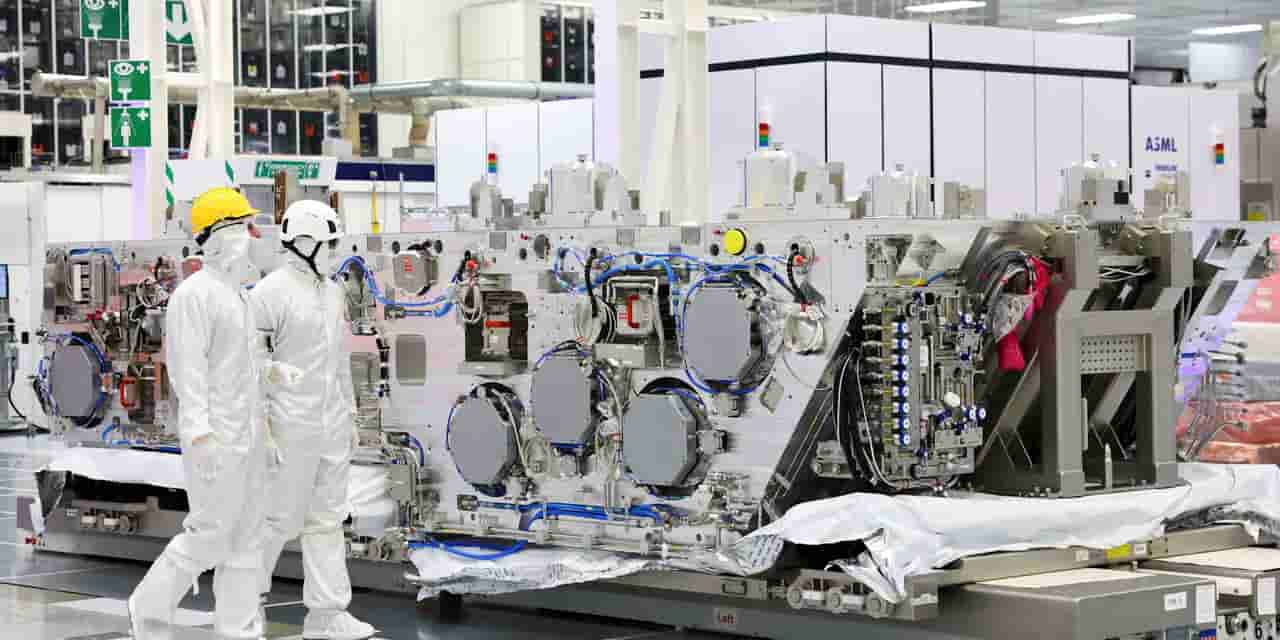
A report from an influential think tank alleges that China is employing economic statecraft and espionage against Dutch strategic industries, aiming to create systemic dependency and secure Beijing's global industrial leadership. The report specifically points to pressures exerted on ASML, a leading supplier of semiconductor equipment.
In response, the Dutch government announced new restrictions on the export of semiconductor equipment on June 30, 2023. While described as "country-neutral," these measures are widely understood to target ASML's business with China. Dutch Minister for Foreign Trade and Development Cooperation Liesje Schreinemacher stated the move was made on national security grounds, providing companies with time to adapt to the new rules, which became effective on September 1, 2023.
These latest restrictions follow a previous decision in 2019, influenced by the Trump administration, which prevented ASML from selling its most advanced EUV machines to China. While the government has not always been explicit about the reasons for these restrictions, the latest announcement refers to "national security grounds" and "national security risks." These risks are reportedly linked to the potential for advanced semiconductor equipment to be used in military applications, a responsibility the Netherlands feels it bears due to its unique position in the field. The government's press statement and the Government Gazette suggest concerns that semiconductors produced with this equipment could end up with actors who use them for military purposes that undermine "public security interests," including international peace and stability, and have significant long-term implications for the security interests of the Netherlands and its allies.