Key facts
- China urged European nations to cease endorsing the 2016 South China Sea arbitration ruling.
- Beijing stated Europe has no right to comment on China's territorial sovereignty in the South China Sea.
- A joint statement from 14 nations and a separate EU statement reaffirmed the 2016 ruling.
- China summoned officials from relevant embassies and the EU delegation to protest.
- Foreign Minister Wang Yi stated China seeks no 'sphere of influence' with Pacific island nations.
- Wang Yi emphasized that Pacific island nations are sovereign and not 'someone's backyard'.
China's Foreign Minister Wang Yi stated that China "has no geopolitical intentions and does not seek a so-called 'sphere of influence'" in its dealings with Pacific island nations, according to an official summary released by China's foreign ministry.
Wang told his counterpart from the Solomon Islands in Beijing that China's cooperation with the nation "comes with no political strings attached" and is not forcibly imposed. He added that Pacific island nations are independent and sovereign, "not someone's 'backyard'," and that China's ties with them "should not be subject to interference from any third party."
The meeting occurred a week after China's military test-fired a missile with a dummy warhead from a nuclear-powered submarine into the South Pacific, which drew criticism from regional countries, including the Solomon Islands. The test fire coincided with the signing of a mutual defence pact between Fiji and Australia. Solomon Islands Prime Minister Matthew Wale commented on the missile test, stating it was not something a friend does, while vowing stronger ties with Australia.
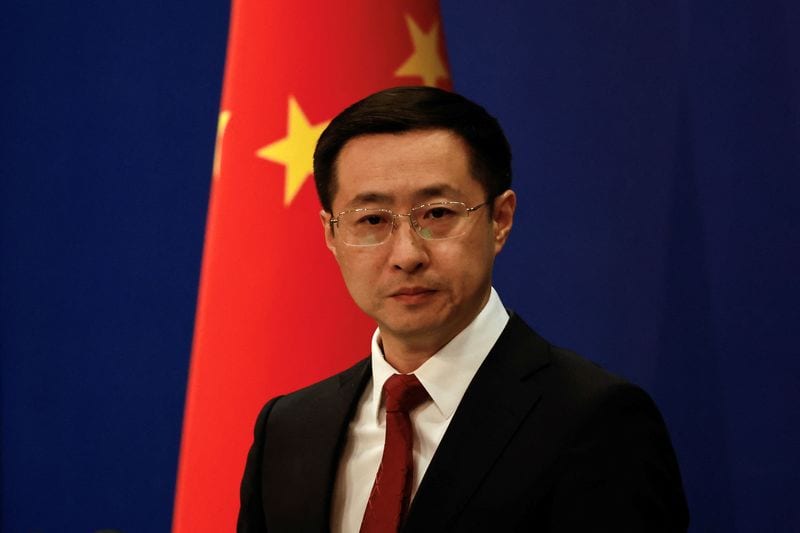
Previously, China's foreign ministry had urged European nations to cease endorsing a 2016 arbitration ruling that invalidated Beijing's expansive maritime claims in the South China Sea. Spokesperson Lin Jian stated that Europe is not a party to the issue and has no right to comment on China's territorial sovereignty. This call followed a joint statement by 14 countries, including some European nations, and a separate EU statement reaffirming the ruling. China had summoned officials from the embassies of relevant countries and the EU delegation to protest. The 2016 ruling, based on the UN Convention on the Law of the Sea, largely favored the Philippines and invalidated China's expansive maritime claims.