Key facts
- Japan and the Philippines have begun negotiations on a maritime boundary.
- China has responded forcefully, calling the talks illegal and lodging diplomatic protests.
- Beijing views the negotiations as an infringement on its claimed maritime rights and a strategic move by U.S. allies.
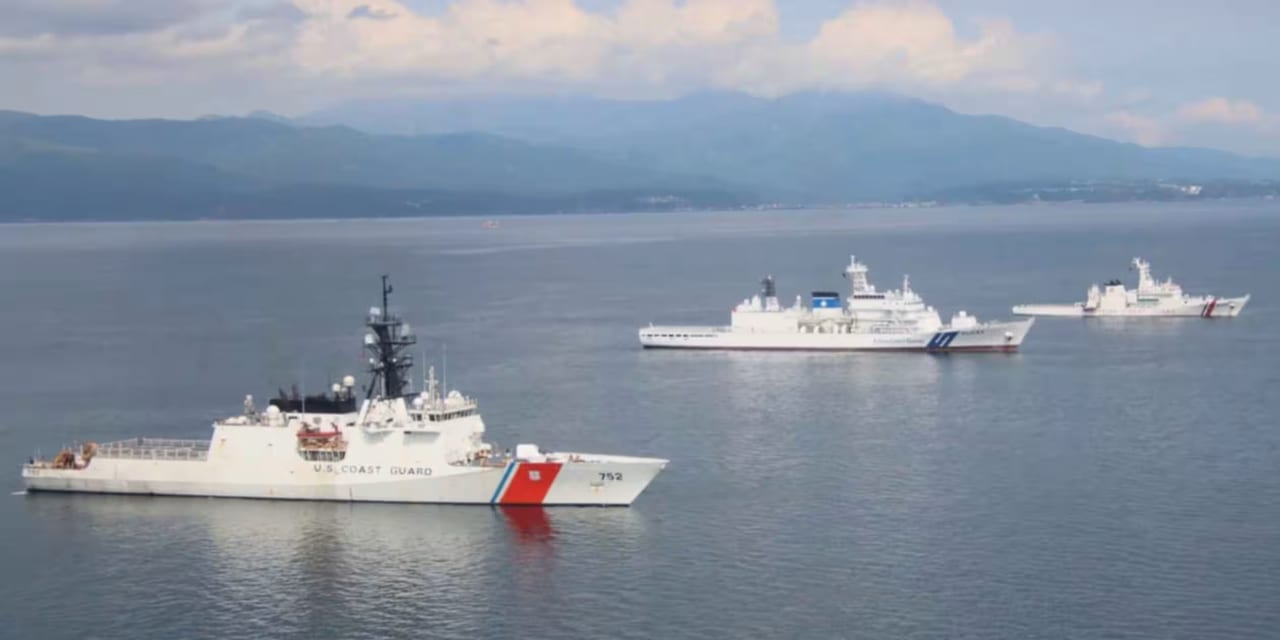
- China deployed coast guard vessels for patrols east of Taiwan, extending into waters claimed by Japan.
- The talks are seen as part of a broader effort to deepen strategic coordination in waters vital to China's security.
Japan and the Philippines have initiated negotiations on establishing a maritime boundary, a move that has elicited a strong and forceful response from China. Beijing argues that these talks infringe upon maritime rights it claims, particularly in relation to Taiwan, and views the discussions as part of a broader strategic coordination between two key U.S. allies in waters considered central to China's security interests.
When Japanese Prime Minister Sanae Takaichi and Philippine President Ferdinand Marcos Jr. launched the bilateral delimitation talks during a summit in Tokyo in late May, China reacted swiftly. The Chinese government declared the negotiations "illegal, null and void" and lodged diplomatic protests. In addition to rhetorical opposition, China backed its stance with actions, deploying coast guard vessels for "law-enforcement patrols" east of Taiwan, an area Beijing claims as its territory. By extending these operations south of Yonaguni Island into waters that Tokyo considers part of its exclusive economic zone (EEZ), China underscored its determination to contest the maritime boundary talks both diplomatically and through on-the-water actions.
Under the United Nations Convention on the Law of the Sea (UNCLOS), such negotiations are considered a routine process when states have overlapping exclusive economic zones and continental shelves.