Key facts
- Commercial traffic is resuming through the Strait of Hormuz after a U.S.-Iran memorandum of understanding.
- New operating realities include approval requirements, tighter security, and higher costs for shipping companies.
- The current agreement allows toll-free transit for 60 days, with future terms uncertain.
- Ship managers are coordinating safety measures, including risk assessments, communication, and crew support.
- Vessels must now use designated corridors, obtain authorization codes, and may face routine inspections.
- Decarbonization compliance adds complexity, with ship managers providing emissions monitoring and route optimization.
Commercial traffic is gradually resuming through the Strait of Hormuz following a U.S.-Iran memorandum of understanding, but shipping companies are now navigating a significantly altered operating environment. This new reality includes new approval requirements, tighter security controls, and potentially higher costs, according to industry executives.
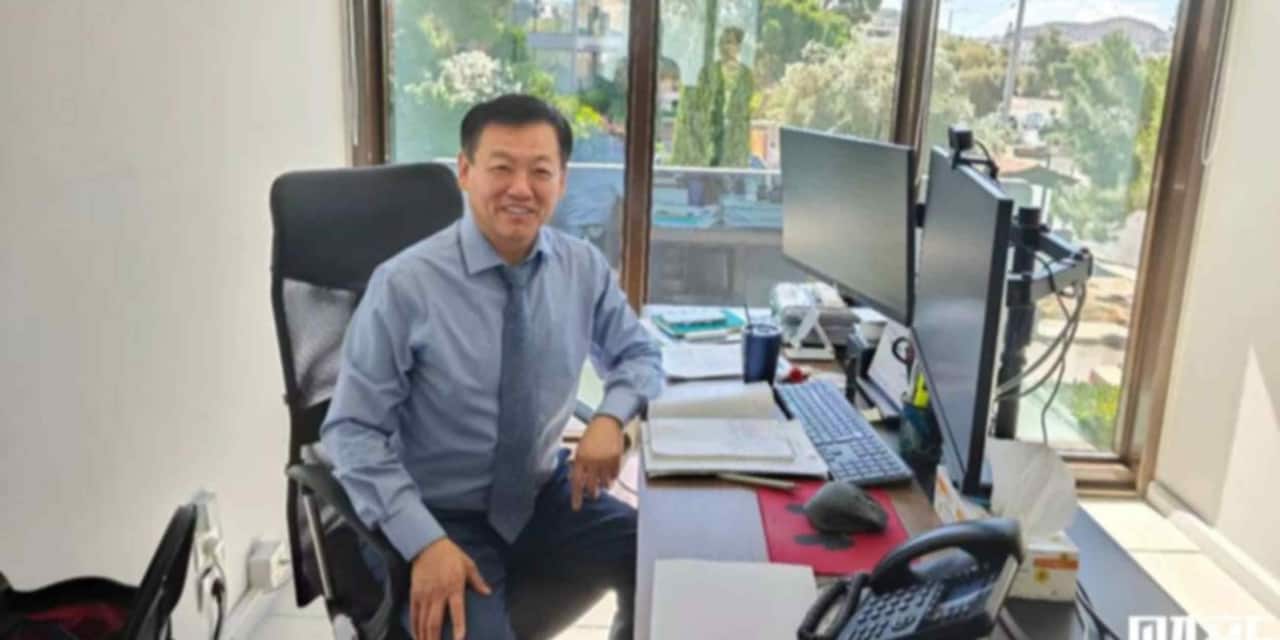
The agreement allows for toll-free transit for 60 days, after which the terms will depend on future negotiations, introducing a degree of uncertainty. Man Hangjian, general manager of Seacon Shipping's European operations, highlighted in an interview with Caixin how ship managers are adapting to these evolving conditions and broader challenges posed by geopolitical tensions and the push for decarbonization.
Seacon Shipping activated contingency plans immediately following the crisis, conducting risk assessments and coordinating with shipowners, charterers, insurers, and authorities. The company prioritized crew and cargo safety, arranging war-risk insurance after the London insurance market designated the Persian Gulf as a war-risk area. For vessels to transit during conflict, all parties must agree, making ship management companies crucial coordinators.
With the strait reopening, Seacon has implemented security training, standardized boarding inspections, and established family support hotlines. Operationally, vessels will emphasize enhanced communications and navigation systems, maintain double bridge watches, and carry extra supplies for up to 15 days. Four fundamental changes are expected: transit now requires advance notification and authorization codes; routing is limited to designated Iranian-monitored corridors, increasing congestion risks; costs are likely to rise despite the initial fee waiver; and armed patrols and onboard inspections may become routine.
European shipowners, particularly in Greece, are most concerned about operational uncertainty stemming from geopolitical instability. The recent crises in the Red Sea and Strait of Hormuz have demonstrated how quickly maritime disruptions can extend voyage times, increase fuel consumption, and raise insurance costs. Ship managers are expected to transition from reactive problem-solving to proactive risk management, encompassing dynamic assessments and rapid stakeholder coordination.
Ship management companies are strengthening their resilience by expanding beyond technical operations to include asset management, digitalization, decarbonization compliance, and comprehensive risk management. The primary challenge remains unpredictability from trade policy and geopolitical tensions. Decarbonization adds further pressure, with compliance requirements from various international regulations. Seacon has developed the GREEN FUTURE platform for real-time emissions tracking and established China’s first FuelEU compliance pooling platform, utilizing AI for route optimization.