Key facts
- China is strengthening its ability to prevent and mitigate landslides and floods.
- The Ministry of Natural Resources will focus on shallow landslides and debris flows.
- Aerospace remote sensing will be used for monitoring geological hazard risks.
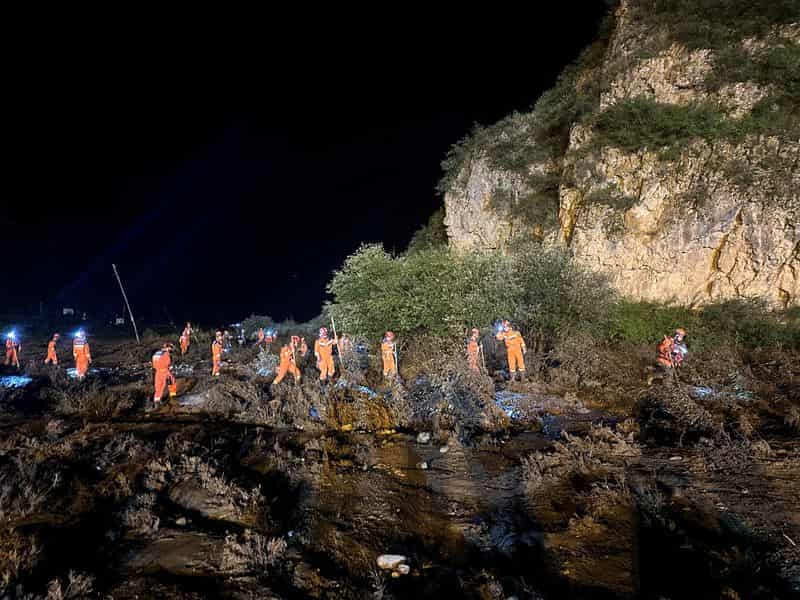
- Recent landslides have caused significant fatalities in Gansu and Chongqing.
- China has intensified flood control and disaster relief measures across various provinces.
- Extreme weather events are predicted to increase in frequency and intensity.
China is intensifying its efforts to prevent and mitigate the impact of landslides and floods, responding to climate change and a series of recent extreme weather events. The Ministry of Natural Resources is prioritizing the prevention of shallow landslides and debris flows, particularly in areas prone to extreme rainfall. The ministry plans to utilize aerospace remote sensing for enhanced monitoring and risk identification in key regions, including the Yaxia Hydropower Project construction site and the Three Gorges Reservoir Area.
Recent incidents have highlighted the severity of the issue, with landslides in Gansu province killing 25 people and another in Chongqing causing 51 deaths. Last year, China identified over 270,000 geological hazard sites posing a threat to approximately 11 million people.
In response to recent heavy rainfall, China has also intensified flood control and disaster relief measures across multiple provinces. Emergency responses were initiated and subsequently downgraded in Fujian and Guangdong, with task forces deployed to provide guidance and support. Thousands of emergency kits have been allocated to affected areas. While water levels in some rivers are receding, authorities have renewed alerts for mountain torrents and are forecasting concentrated rainfall in the Yangtze River basin. The lingering effects of El Nino are expected to contribute to a challenging summer with increased frequency of extreme weather and floods.
In parallel, funds have been allocated to northern provinces to address drought-induced crop damage. The Ministry of Natural Resources has pledged to consistently investigate areas at risk of geological disasters, enhance monitoring, and improve early warning and emergency management capabilities. Predictions suggest extreme weather events will become more frequent and intense, with a focus on compound and cascading disaster risks, particularly in areas previously affected by earthquakes or fires. Efforts will also target landslides triggered by long-term deformation and sudden environmental changes. Key tasks include pre- and post-rain inspections, deployment of technical professionals, establishment of command centers, and strengthening of risk assessment and response capabilities. Scientific research into disaster patterns and tailored regional strategies are also emphasized, alongside improved management of risks associated with infrastructure projects.