Key facts
- China's Three-North Shelterbelt Program, initiated in 1978, aims to combat desertification and soil erosion.
- The 'Green Great Wall' project spans 13 provinces and has led to a significant increase in forest coverage.
- Over 78 billion trees have been planted by citizens since 1982, raising forest coverage to nearly 25 percent.
- The Kubuqi Desert is being transformed with solar installations as part of desertification control efforts.
- The program has involved millions of rural laborers and aims for completion by 2050.
China has made significant strides in combating desertification through its long-running Three-North Shelterbelt Program, also known as the 'Green Great Wall.' Launched in 1978, the initiative spans 13 provinces in northern China and aims to reverse desertification and soil erosion in drought-prone areas.
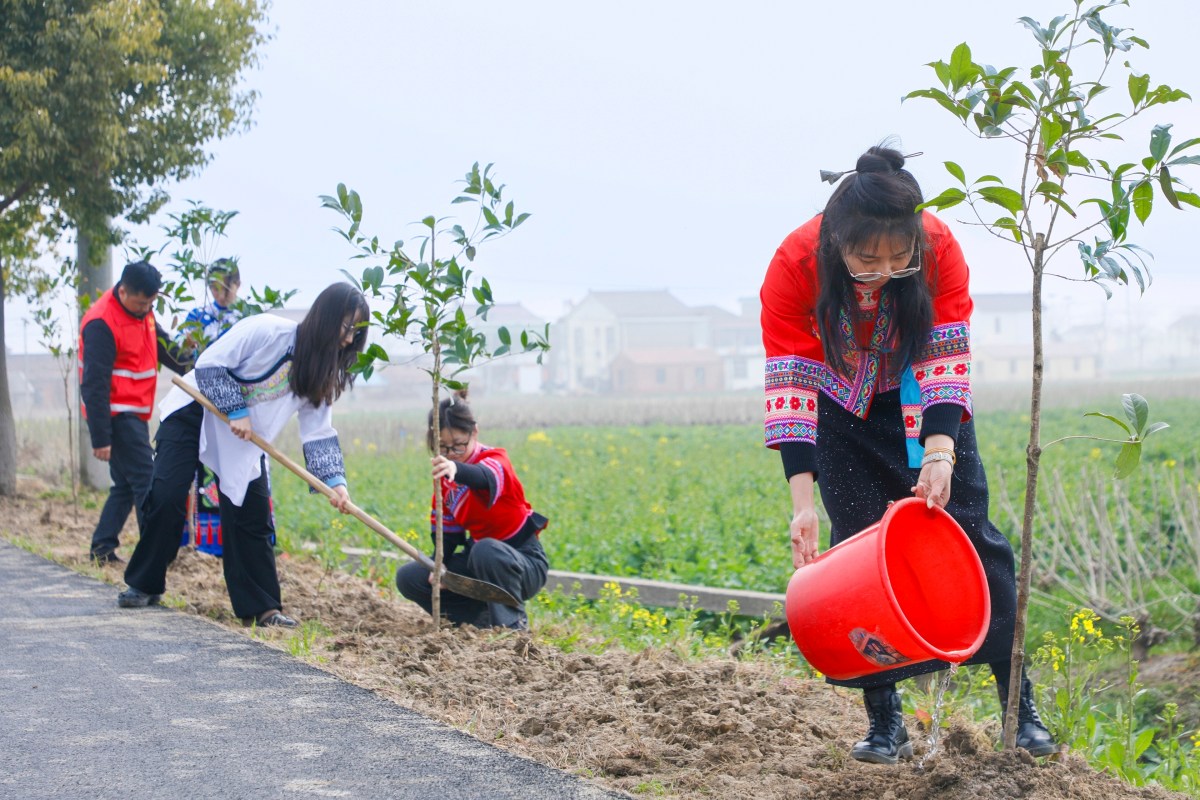
Since the program's inception, China has designated March 12 as its national tree planting day. Official statistics indicate that from 1982 to 2021, citizens planted approximately 78 billion trees, contributing to a nearly 25 percent increase in the country's overall forest coverage. These afforestation and land restoration efforts are part of Beijing's broader climate mitigation strategy, aiding carbon uptake and supporting jobs in related sectors.
The Kubuqi Desert, one of China's largest, has been a focal point for these efforts. Historically a source of sandstorms and land degradation, it is now being transformed with the integration of vast solar installations. Over the past five years alone, China has greened more than 90 million acres of land, adding over a million acres of new forests.
Another notable success is the Saihanba forest in Hebei province, which was once a barren plateau due to deforestation and fires but has been restored into a nature reserve covering nearly 190,000 acres. This transformation, achieved through the work of three generations of foresters, provides substantial environmental benefits, including clean water for Beijing and Tianjin and significant oxygen production.
Despite progress, the 'three north' regions continue to face severe desertification challenges, covering 45 percent of the country and accounting for 84 percent of its desertified land. Over four decades, afforestation has expanded across more than 120,000 square miles of forest and nearly 330,000 square miles of grassland, reducing degraded grassland from 85 percent to 70 percent.
Officials highlight China's leading role in global greenery increase and its net growth in mangrove areas. The government is heavily investing in the Three-North Shelterbelt Forest Program, with a target completion date of 2050. Techniques like 'straw checkerboards' have been employed since 2000 to stabilize sand dunes and promote plant growth, involving over 300 million rural laborers.