Key facts
- Buryatia, a remote Russian republic, has supplied a high number of contract soldiers and suffered significant losses in the war against Ukraine.
- Leaked documents suggest local authorities in Buryatia pressured businesses to find army recruits or pay fines for failing to do so.
- The number of new contract soldiers in Russia has decreased, with a reported one-third fall in spring 2026 compared to the previous year.
- Analysts suggest that Russia is increasingly resorting to coercion in recruitment due to financial difficulties and personnel needs for infrastructure protection.
- Street raids and pressure on students to sign military contracts are becoming more common recruitment methods across Russia.
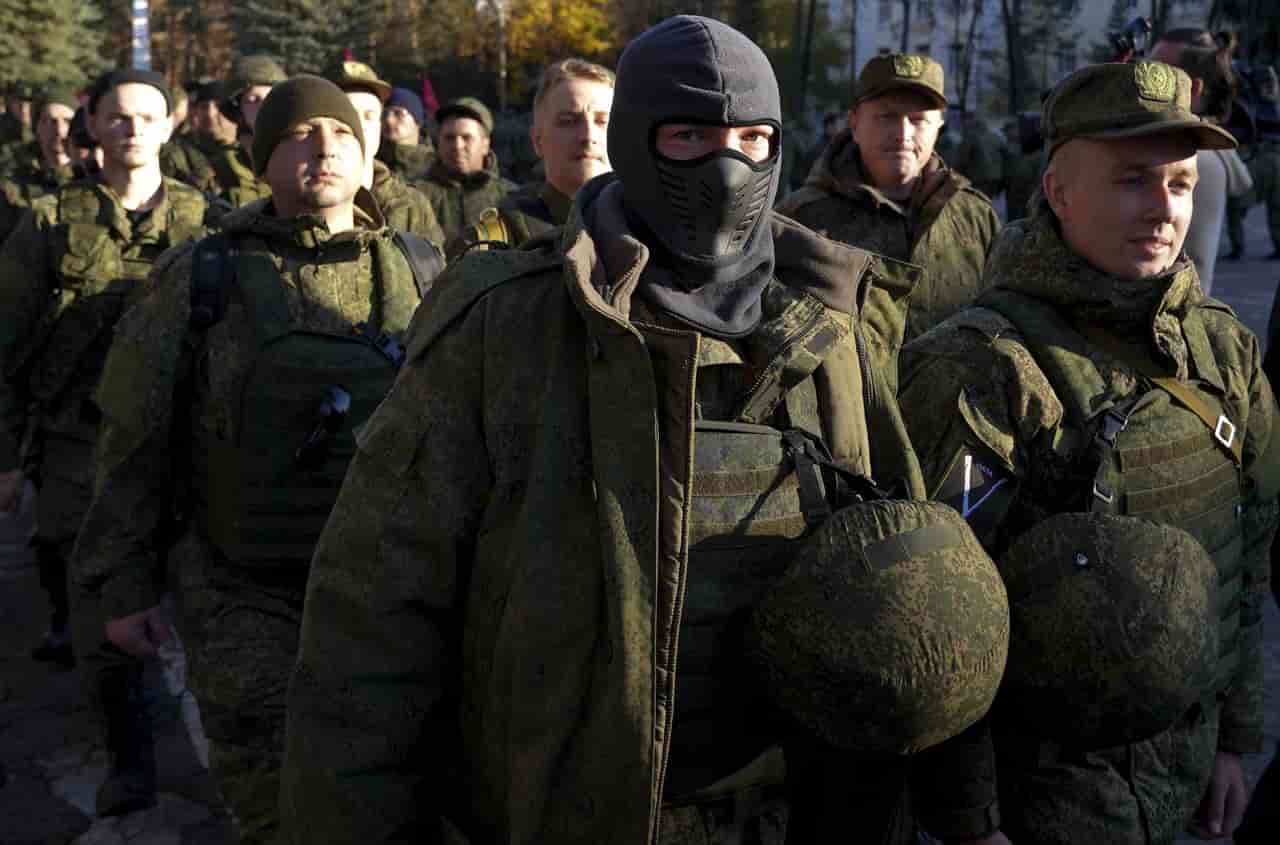
Buryatia, a remote Russian republic, has become a focal point for understanding the evolving recruitment strategies in Russia's ongoing war against Ukraine. Initially relying on financial incentives, the region, which has supplied a disproportionately high number of soldiers and suffered significant casualties, now illustrates a shift towards more coercive methods as volunteer numbers decline.
Leaked documents suggest that local authorities in Buryatia have pressured businesses, hospitals, and public institutions to either find recruits for the army or face financial penalties. This mirrors a broader trend across Russia, where recruitment quotas are being enforced more stringently, leading to tactics such as street raids and pressure on students to sign short-term military contracts. Analysts suggest that Russia's difficult financial situation and the need to protect critical infrastructure are driving this increased reliance on coercion.
Historically, Buryatia's poorer economic conditions and the strong military presence in the region made military contracts an attractive option. However, constant losses, slowing battlefield gains, and Ukrainian strikes have made recruitment more challenging. The Kremlin's strategy now appears to involve a more forceful approach, moving away from the facade of purely voluntary service to meet its personnel needs.