Key facts
- The fifth round of US-mediated ceasefire negotiations between Lebanon and Israel has been described as a 'train wreck' by Israeli ambassador to the US Yechiel Leiter.
- Leiter stated that Hezbollah must be defeated and removed, expressing concern that the group feels stronger and bolder.
- Hezbollah chief Naim Qassem called for a full, scheduled withdrawal of Israeli troops from Lebanon.
- Lebanon aims to secure an Israeli withdrawal from southern Lebanon and the return of displaced populations.
- Israel has conditioned withdrawal on Hezbollah's disarmament and maintaining control over a security zone.
- The talks are overshadowed by a new US-Iran diplomatic channel and regional ceasefire framework.
The fifth round of US-mediated ceasefire negotiations between Lebanon and Israel has been described as a "train wreck" by Israeli ambassador to the US Yechiel Leiter. Leiter expressed concern that Hezbollah must be defeated and removed, stating the group feels stronger and bolder. This comes as Hezbollah chief Naim Qassem called for a full, scheduled withdrawal of Israeli troops from Lebanon.
Lebanon and Israel have commenced their fifth round of direct negotiations in Washington, D.C., with Lebanon seeking an Israeli withdrawal from southern Lebanon and the return of displaced populations. However, the talks are overshadowed by a new US-Iran diplomatic channel and a regional ceasefire framework, raising questions about Lebanon's control over its own negotiations.
Previous rounds of talks have failed to yield a lasting ceasefire or bridge the significant gap between the two nations. Israel has conditioned any withdrawal on the disarmament of Hezbollah and maintaining control over a security zone within southern Lebanon until it is satisfied the Lebanese army can prevent Hezbollah's military resurgence. Lebanon, meanwhile, is expected to push for a withdrawal timetable, prisoner releases, and reconstruction efforts.
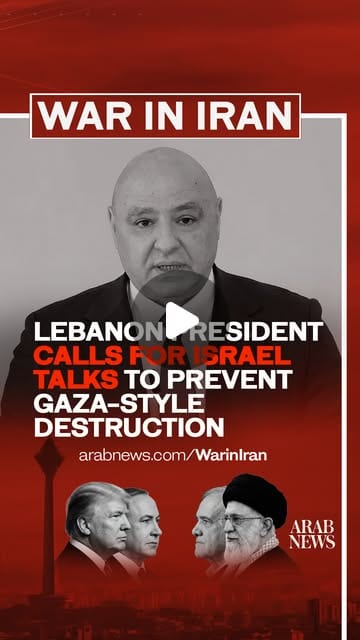
The diplomatic environment has shifted significantly since the last round, with a US-Iran memorandum of understanding and subsequent talks near Lake Lucerne introducing new diplomatic forums for addressing the conflict. Lebanese President Joseph Aoun has consistently emphasized Lebanon's sovereignty, stating that no foreign power can negotiate on its behalf, despite sources indicating intense US pressure on Beirut to enter direct negotiations.
The direct talks proceeded without a comprehensive ceasefire, a condition Aoun had previously insisted upon. The longest lull in Israeli strikes occurred after the US-Iran memorandum, not from direct agreements between Lebanon and Israel, which has bolstered Hezbollah's argument that Iran's negotiations are more effective. This situation highlights a strategic tension for Lebanon, which entered direct talks to prevent regional powers from deciding its future, only for Iran to place Lebanon at the center of its own discussions with the United States.
The fourth round of talks in early June concluded with a joint statement from the US, Lebanon, and Israel. This statement stipulated that a ceasefire would be contingent on a complete halt to Hezbollah's attacks and the removal of its operatives from south of the Litani River. It also proposed establishing "pilot zones" under exclusive Lebanese Armed Forces control, excluding non-state armed groups. Hezbollah strongly criticized this statement, viewing it as an attempt to impose unilateral obligations without binding Israeli commitments for withdrawal. Parliament Speaker Nabih Berri has advocated for a comprehensive ceasefire and full Israeli withdrawal, rejecting limited pilot zones.
A senior source close to the Lebanese delegation revealed that the pilot-zone proposal nearly derailed previous negotiations. Israel initially rejected the idea, leading the Lebanese delegation to threaten withdrawal. US officials intervened to secure agreement on the principle of pilot zones, though disagreements persisted regarding their location and applicable obligations. The Lebanese delegation proposed Bint Jbeil as the first pilot area to challenge Israel's potential creation of a permanent buffer zone. Israel rejected this, proposing instead to retain control of its "Yellow Line" and monitor the Lebanese army's actions against Hezbollah, with further withdrawals contingent on an assessment of the army's performance.