Key facts
- Japanese yen tested the 160-per-dollar barrier.
- Japan's Finance Minister warned of decisive action against yen volatility.
- Bearish yen positions are at their largest since July 2024.
- The dollar has risen against major currencies over the past month.
- Strong U.S. economic data and anticipated Fed rate hikes support the dollar.
- Middle East tensions and rising energy prices contribute to safe-haven demand for the dollar.
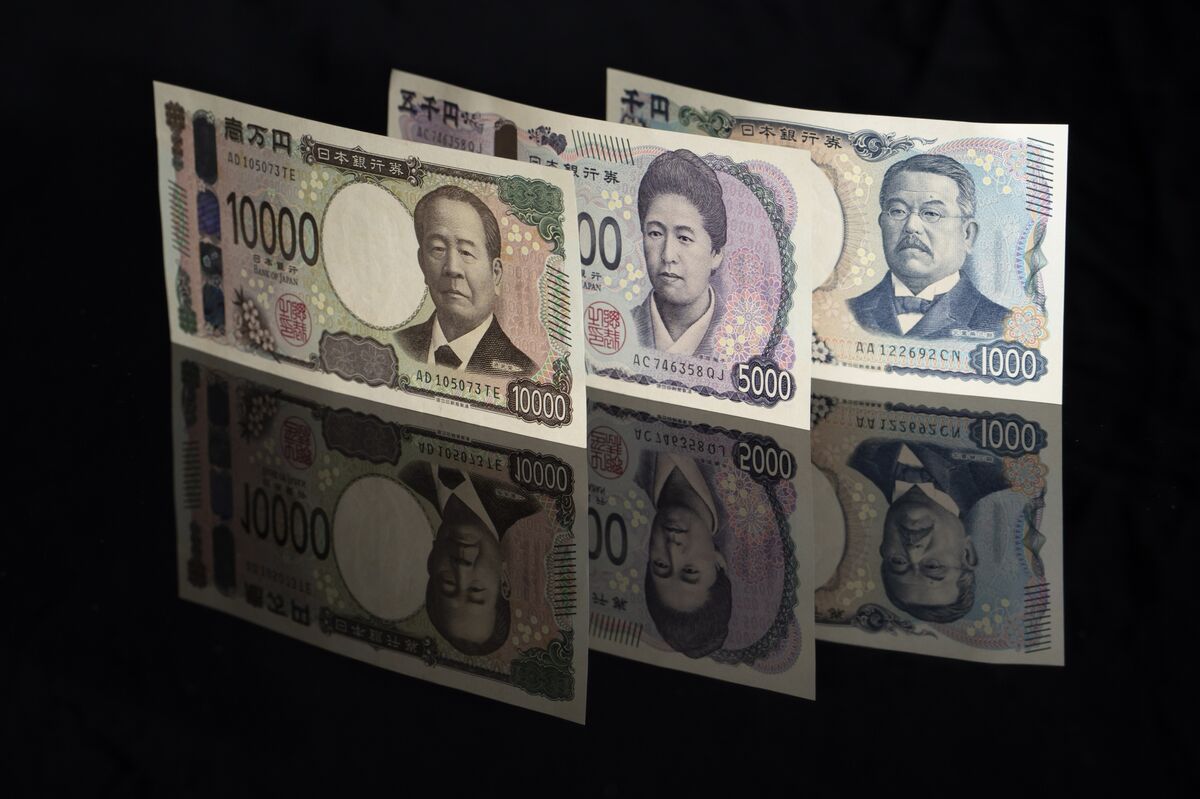
The Japanese yen tested the 160-per-dollar barrier on Friday, trading at 159.93, prompting Finance Minister Satsuki Katayama to state Japan was ready to respond with "decisive action" against excessive volatility. This marks the yen's fourth straight weekly loss. Markets are hesitant to aggressively test the Bank of Japan before the U.S. nonfarm payrolls data, given authorities' renewed intervention willingness. Bearish yen positions are at their largest since July 2024, with analysts seeing little incentive to unwind holdings without a shift in Japan's rate outlook or economic growth. The Bank of Japan is widely expected to raise interest rates this month and potentially again by year-end. Meanwhile, the dollar has strengthened, rising 0.4% against a basket of major currencies this week and 1.3% over the past month. This is supported by strong U.S. economic data, with U.S. economic surprise indices at a three-year high, and anticipated Federal Reserve rate hikes. Two-year Treasury yields are above 4%. Safe-haven demand is also bolstering the dollar due to Middle East tensions and concerns over higher energy prices impacting importers like the Eurozone, Japan, and China. The euro, down 1% over the past month, saw a modest rise on Friday to 1.1634 USD per EUR, while the pound also edged up to 1.345 USD per GBP. Investors now await the U.S. nonfarm payrolls report, forecasted to show an 85,000 jobs increase with unemployment at 4.3%, compared to April's 115,000 increase.