Diplomacy over Iran's nuclear program has returned to its pre-war status following two conflicts within a year. A new memorandum of understanding between the US and Iran sets up talks that experts say will largely resume the diplomatic track previously abandoned.

The return to square one in US-Iran nuclear diplomacy, following military engagements, highlights the persistent challenges in resolving concerns over Iran's nuclear program and its potential weaponization, impacting regional stability and international non-proliferation efforts.
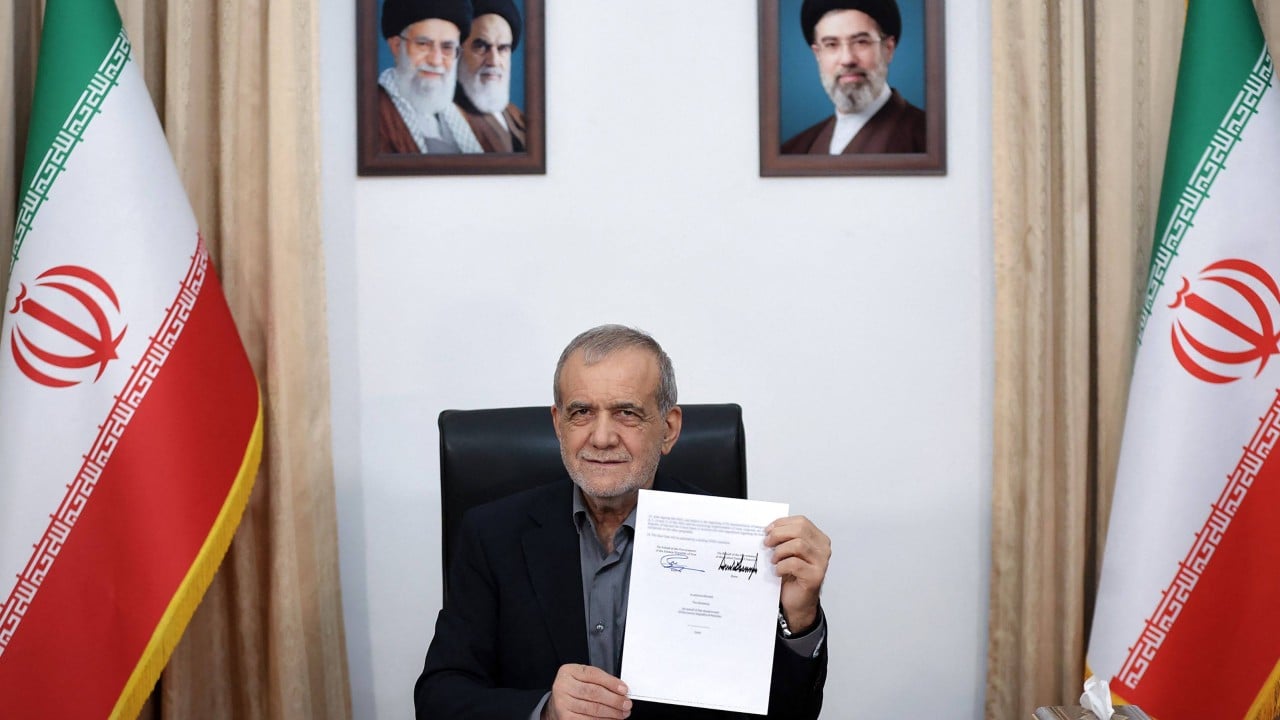
Diplomacy concerning Iran's nuclear program has effectively returned to its pre-war state following two significant conflicts within the past year. A memorandum of understanding signed by U.S. President Donald Trump and Iranian counterpart Masoud Pezeshkian on Wednesday is set to re-initiate talks, which non-proliferation experts suggest will largely resume the diplomatic track that Washington abandoned in February.
These earlier negotiations, facilitated by Omani intermediaries and involving Qatar, Saudi Arabia, and the United Arab Emirates, had been exploring the framework for a potential nuclear agreement. However, this diplomatic process was interrupted last June by a 12-day air war initiated by Israel against Iran, which escalated when the U.S. conducted strikes on Iran's primary enrichment sites and storage facilities for enriched uranium.
While these U.S. strikes significantly damaged Iran's enrichment capacity, they did not resolve the core proliferation concern: the status and future disposition of its stockpile of highly enriched uranium (HEU), which is near weapons-grade. Experts note that the Twelve-Day War rendered most of Iran's known enrichment infrastructure inoperable, imposing short-term limits. However, Iran has since curtailed the International Atomic Energy Agency's (IAEA) access to its nuclear program, and substantial stockpiles of enriched uranium remain.
According to analysts, the decision to resume hostilities in February 2026 was driven more by Tehran's conventional military capabilities and its response to domestic protests than by new developments in the nuclear realm. Iran's leaders may have adopted a firmer stance on avoiding irreversible concessions regarding the nuclear issue, with increased public discussion of weaponization options since the recent conflicts. However, immediate priorities for Tehran include replenishing conventional capabilities, particularly missile and drone programs, and maintaining control over the Strait of Hormuz, which could serve as a deterrent and potentially pave the way for future weaponization.