Key facts
- US and China should institutionalize diplomatic interactions and deepen cooperation on AI, according to Richard Haass.
Richard Haass, president emeritus of the Council on Foreign Relations, urged regular high-level meetings between the US and China to institutionalize diplomatic interactions and foster transparency, particularly concerning artificial intelligence. Recent talks in London aimed at a potential AI tech truce, with the US offering to ease some export controls in exchange for China easing rare-earth restrictions.
The ongoing dialogue and potential de-escalation in US-China relations, particularly concerning AI technology and critical minerals, could significantly impact global supply chains, technological innovation, and international trade stability.
Richard Haass, president emeritus of the Council on Foreign Relations, has called for the United States and China to institutionalize their diplomatic interactions, particularly in the realm of artificial intelligence, to ease bilateral tensions. Haass suggested that regular high-level meetings are crucial for transparency and preventing a decline in relations.
His remarks coincide with recent high-level talks between US and Chinese officials in London, which focused on AI technology. During these discussions, the US indicated a willingness to lift certain export controls on chip-design software, jet-engine components, chemicals, and nuclear materials. However, these concessions are contingent on China resuming full rare-earth exports and maintaining restrictions on high-end AI chips, such as Nvidia's H20 processors.
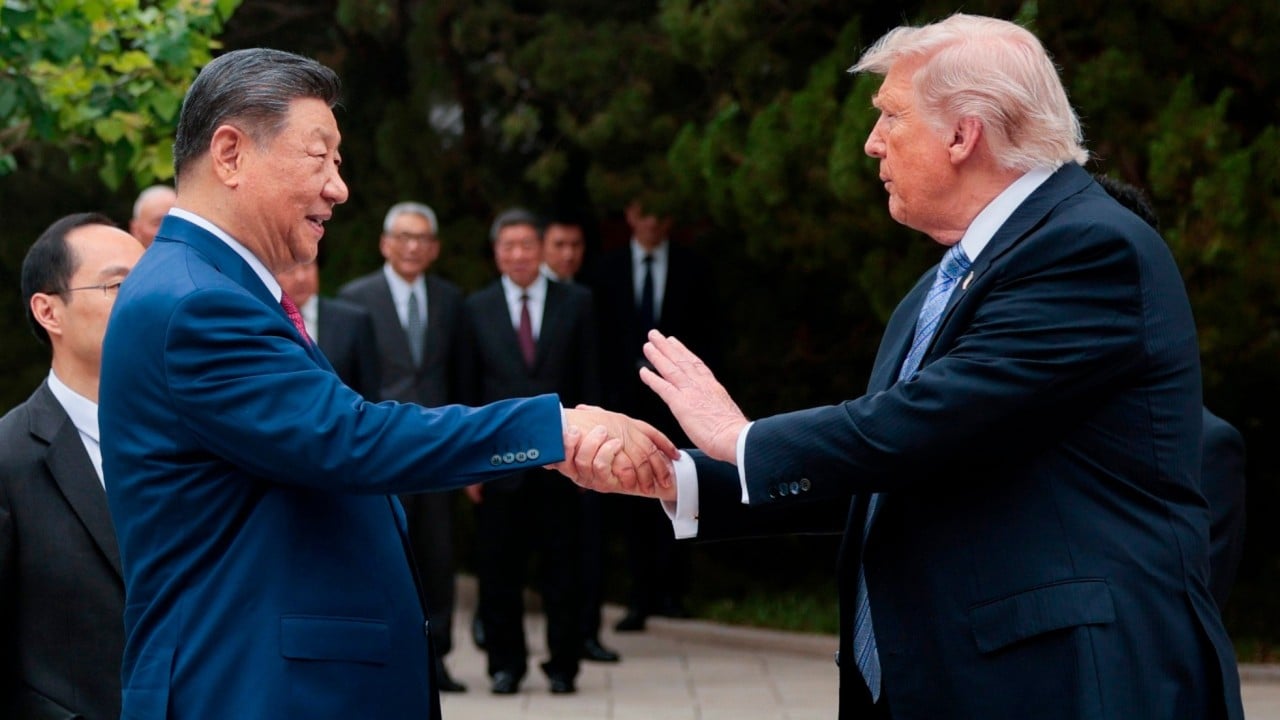
Looking ahead, President Donald Trump is scheduled to meet with President Xi Jinping to discuss AI, with a specific focus on potential cooperation regarding the risks posed by malicious use of AI by nonstate actors. This dialogue aims to establish a framework that balances national security concerns with commercial openness, potentially stabilizing AI supply chains and rare-earth markets.