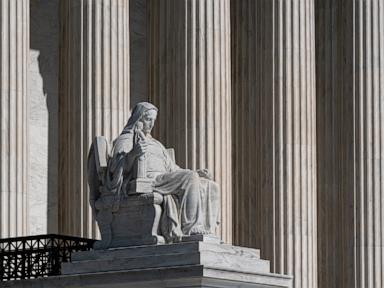
Supreme Court backs FCC fine system for AT&T, Verizon
IN SHORT
The US Supreme Court ruled 8-1, upholding the FCC's system for imposing fines on wireless carriers AT&T and Verizon. The court found the FCC's in-house proceedings do not violate the right to a jury trial.
Key Numbers
8-1Supreme Court vote count
$57 millionFCC fine against AT&T
$47 millionFCC fine against Verizon
$104 millionTotal fines for AT&T and Verizon
$200 millionTotal fines imposed on carriers
Who's Involved
US Supreme Court
Backed the FCC's system for levying fines against wireless carriers
Federal Communications Commission (FCC)
Agency whose fine system was upheld by the Supreme Court
AT&T
Wireless carrier involved in the FCC fine dispute
Verizon
Wireless carrier involved in the FCC fine dispute
John Roberts
Chief Justice who authored the Supreme Court ruling
Clarence Thomas
Justice who was the lone dissenter