Key facts
- US and Iran have reached a permanent agreement to end their conflict, with plans to reopen the Strait of Hormuz.
German Chancellor Friedrich Merz stated that a US-Iran peace agreement offers an opportunity for regional stability and global economic recovery, emphasizing the need for the deal to hold. Leaders of the Group of Seven nations, including US President Donald Trump, have welcomed the accord.
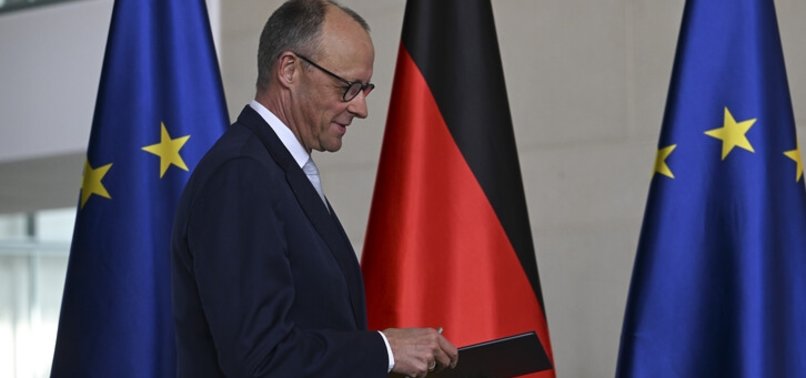
The agreement between the US and Iran, welcomed by G7 leaders, aims to de-escalate regional tensions and stabilize global economic conditions, particularly by reopening the critical Strait of Hormuz shipping lane.
German Chancellor Friedrich Merz stated that a peace agreement between the United States and Iran presents a significant opportunity for regional stability and global economic recovery. He stressed the importance of the "agreed-upon peace" holding and noted that leaders of the Group of Seven nations are united in their support for the accord.
Merz, speaking on X, said the G7 partners strongly welcomed the agreement, which he believes opens a major opportunity for greater stability in the region and for a recovery of the global economy. He assured US President Donald Trump that European partners are ready to contribute to the success of the peace deal. The German leader also highlighted the sharp drop in oil prices and the rally in global stock markets following the announcement as tangible benefits and signs of broad international support.
US and Iranian officials have announced a permanent agreement to end their conflict, which includes the immediate reopening of the Strait of Hormuz. Hizbullah welcomed the deal, stating it encompasses a ceasefire on all fronts, including Lebanon. However, Israel has indicated its intention to maintain its presence in Lebanon. Oil prices experienced a sharp decline after the news, with Brent crude falling below $83 a barrel and West Texas Intermediate briefly dipping under $80 a barrel. Traders remain cautious due to the lack of released text and potential hurdles for resuming transits through the vital waterway.
Merz emphasized the need to quickly move into the second phase of negotiations and ensure the Strait of Hormuz is opened quickly and without restrictions. He also mentioned that Germany has dispatched mine-clearing vessels to the region in anticipation of the waterway's full reopening. A signing ceremony for the framework agreement is scheduled for Friday in Geneva, Switzerland.