Key facts
- Government departments are reviewing their budgets to reallocate funds towards defence spending.
- National security is described as the highest priority by a cabinet minister.
- The Defence Secretary resigned due to concerns over inadequate funding for the armed forces.
- The government has committed to increasing defence spending to 2.6% of GDP.
- Military chiefs warned of a £28 billion funding shortfall over the next four years.
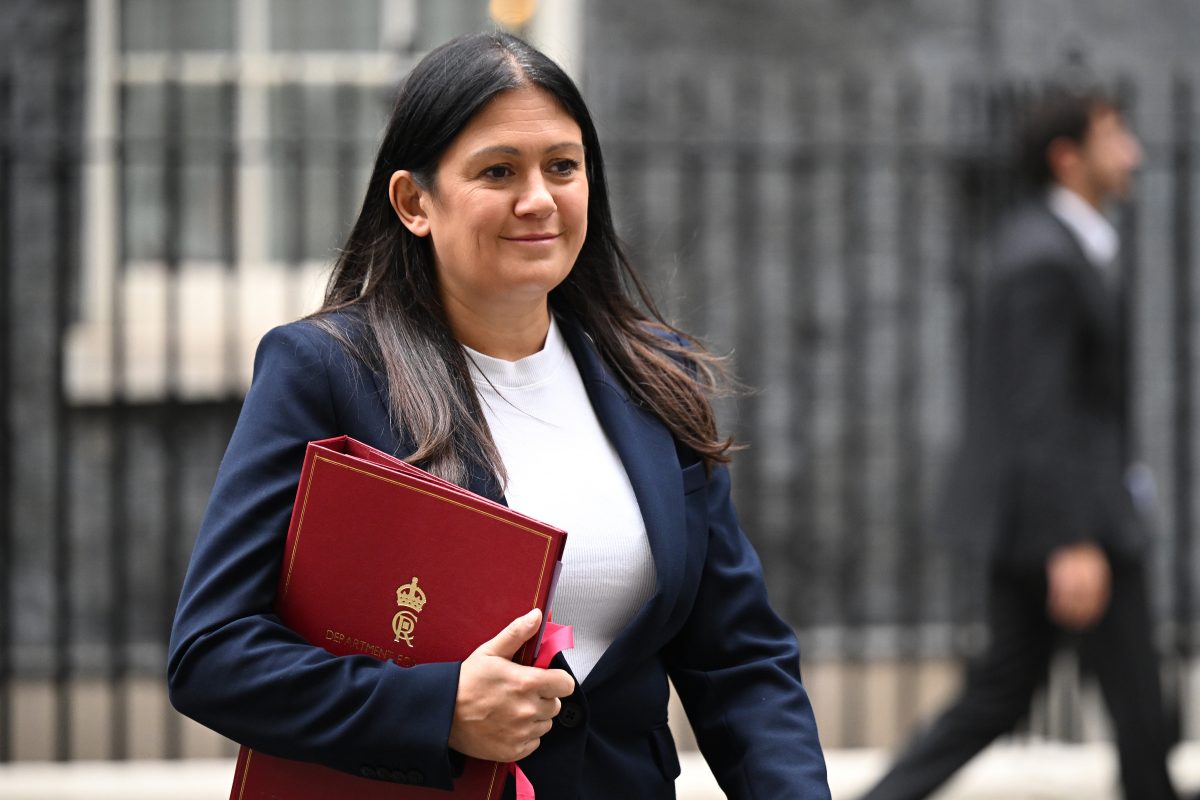
Government departments are being asked to cut their budgets to help fund defence initiatives, according to Culture Secretary Lisa Nandy. She emphasized that national security remains the government's highest priority and that resources are being shifted from various departments, including her own, to bolster defence spending.
Nandy's comments follow the resignation of Defence Secretary John Healey, who cited insufficient funding in his letter to the Prime Minister, stating the Treasury was unwilling to commit the necessary resources during a period of rising global threats. Armed Forces Minister Al Carns also resigned for similar reasons.
Healey's departure has intensified pressure on Prime Minister Keir Starmer, particularly as he was expected to jointly unveil the Defence Investment Plan with Healey and Chancellor Rachel Reeves. This plan is a 10-year blueprint for defence spending. Despite Healey's concerns, Nandy expressed confidence that the new Defence Secretary, Dan Jarvis, would not have taken the role without assurance of adequate resources. She also disagreed with claims that defence is not a pressing priority, arguing that the government is committed to the UK's safety and adapting its approach to changing global situations.
The government has previously committed to increasing defence spending to 2.6% of GDP from the following year, with further targets of 3% after 2030 and 3.5% by 2035 under a NATO agreement. However, military chiefs have warned of a significant funding shortfall of £28 billion over the next four years due to rising equipment costs.