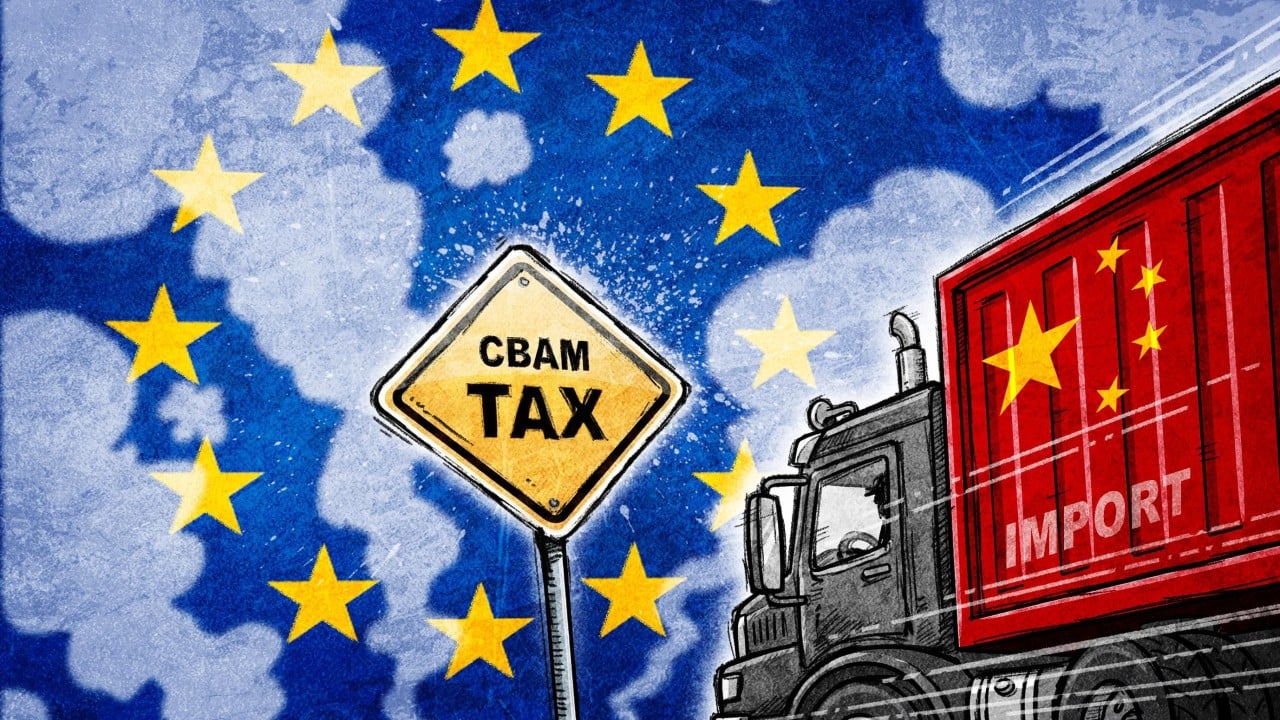
China's steel firms struggle with EU carbon tariff compliance
window 24h
IN SHORT
Chinese steel firms are struggling to comply with the EU's Carbon Border Adjustment Mechanism (CBAM), facing significant red tape and concerns over squeezed margins due to complex data requirements. Meanwhile, four major European steel and chemical manufacturers are calling for a pause in the EU Emissions Trading System (ETS), arguing it is too costly and irrelevant to global market conditions. These developments highlight growing tensions and compliance challenges within the EU's environmental regulatory framework for heavy industries.
✉Newsletter
PiQ Daily
Pick your topics. Get only what matters, on your cadence.
Key Numbers
October 2023CBAM transitional phase start date
2026CBAM full financial obligations start date
2005EU ETS establishment year
10,000+installations covered by EU ETS
Who's Involved
European Union
implementing CBAM and ETS environmental regulations
Chinese steel firms
facing compliance challenges with EU carbon tariffs
Four major European steel and chemical manufacturers
calling for a pause in the EU Emissions Trading System
European Commission
overseeing the implementation of CBAM and ETS
Key facts
Chinese steel firms face challenges complying with the EU's Carbon Border Adjustment Mechanism (CBAM).
CBAM's complex data requirements are creating significant red tape for Chinese manufacturers.
Chinese firms are concerned about squeezed margins and potential market loss due to CBAM.
Four major European steel and chemical manufacturers have called for a pause in the EU Emissions Trading System (ETS).
These European firms cite high costs and outdated relevance to global conditions for their call to pause the ETS.
CBAM requires importers to report embedded carbon emissions for certain goods, including steel.
CBAM's transitional phase began in October 2023.
Full financial obligations for CBAM are scheduled to start in 2026.
The EU ETS caps greenhouse gas emissions from over 10,000 installations.
The EU ETS limit for emissions is reduced over time.
Chinese steel manufacturers are encountering substantial difficulties in complying with the European Union's new Carbon Border Adjustment Mechanism (CBAM). The intricate data reporting requirements associated with CBAM are generating considerable administrative burdens and red tape for these firms. This complexity is reportedly impacting existing export deals and raising concerns about potential reductions in profit margins and the risk of losing market share within the EU. The mechanism aims to level the playing field by imposing a carbon cost on imports equivalent to that faced by domestic EU producers under the EU Emissions Trading System (ETS).
In parallel, four prominent European steel and chemical companies have publicly advocated for a temporary halt to the EU Emissions Trading System. These manufacturers argue that the ETS, a cornerstone of the EU's climate policy, has become excessively costly and is no longer relevant to the current global economic and environmental landscape. Their call suggests a growing dissatisfaction among major industrial players with the financial implications and perceived effectiveness of the EU's carbon pricing mechanisms. The companies believe the system's high costs are hindering their competitiveness, particularly when compared to industries in regions with less stringent environmental regulations.
The EU's CBAM, which officially began its transitional phase in October 2023, requires importers of certain goods, including steel, to report the embedded carbon emissions. Full financial obligations are set to commence in 2026. The ETS, established in 2005, caps total greenhouse gas emissions from more than 10,000 installations in the energy and industrial sectors and sets a limit for these emissions, which is reduced over time. Companies covered by the ETS must buy or trade emission allowances for every tonne of carbon dioxide they emit. The current challenges faced by both Chinese exporters and European manufacturers underscore the complex interplay between climate policy, industrial competitiveness, and global trade.
↳ Why This Matters
Chinese steel manufacturers are encountering substantial difficulties in complying with the European Union's new Carbon Border Adjustment Mechanism (CBAM). The intricate data reporting requirements associated with CBAM are generating considerable administrative burdens and red tape for these firms. This complexity is reportedly impacting existing export deals and raising concerns about potential reductions in profit margins and the risk of losing market share within the EU. The mechanism aims to level the playing field by imposing a carbon cost on imports equivalent to that faced by domestic EU producers under the EU Emissions Trading System (ETS).
Frequently asked questions
CBAM is a carbon tariff system implemented by the European Union to prevent 'carbon leakage' by ensuring imported products face the same carbon costs as domestically produced goods.
Chinese firms are struggling with the complex data requirements, extensive red tape, and the potential for lost export deals if they cannot comply with the carbon intensity reporting.
The steel industry, which dominates global production, is particularly affected due to existing squeezed margins and the high carbon intensity of its production processes.
What Happens Next
01Chinese firms will continue to adapt to CBAM data requirements.
02Potential for further trade tensions between China and the EU over carbon tariffs.
Get the newsletter.
Pick the topics you actually care about. We'll email when there's news worth your time, on the cadence you choose. Cancel any time from your account.