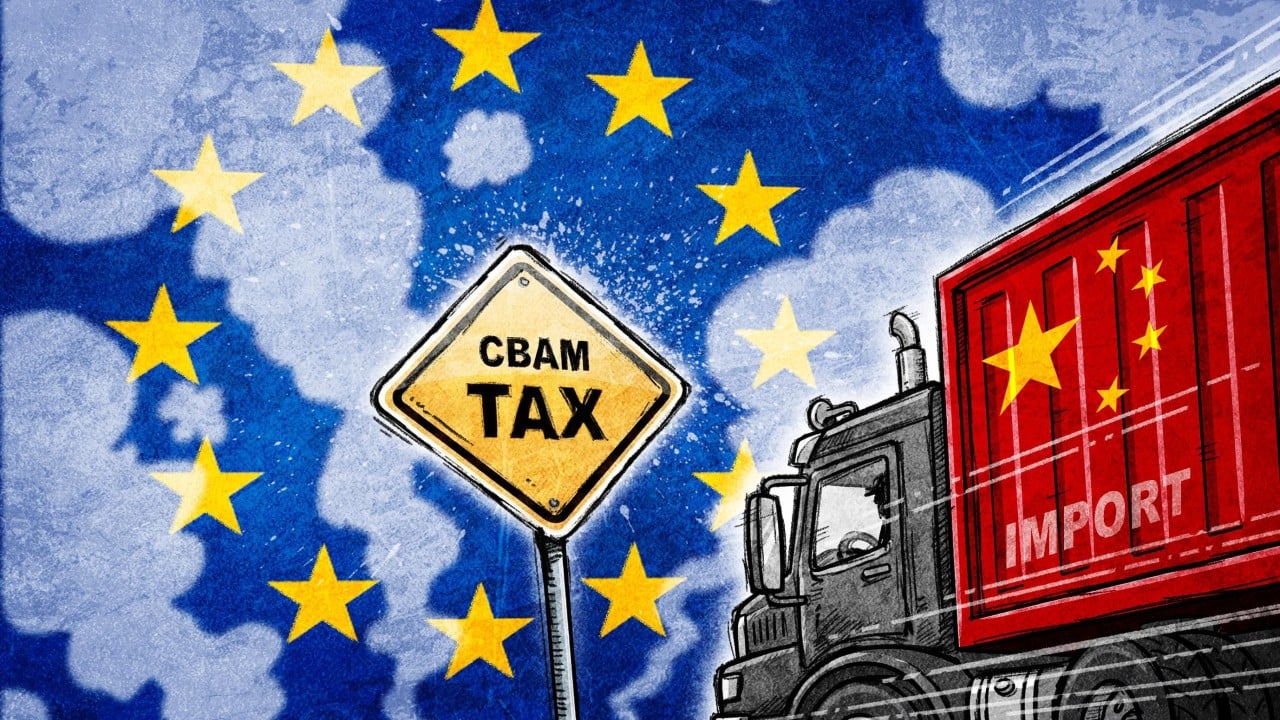
Key facts
- The EU's Carbon Border Adjustment Mechanism (CBAM) entered its implementation phase in January.
- CBAM requires detailed technical data on the carbon intensity of imported goods.
- Chinese manufacturers, especially steel firms, are struggling with the complex reporting requirements.
- Non-compliance can lead to goods being blocked from entering the EU market.
- The policy aims to prevent 'carbon leakage' by equalizing carbon costs for domestic and imported goods.
China's manufacturing sector is encountering significant hurdles in exporting to the European Union due to the EU's new Carbon Border Adjustment Mechanism (CBAM), which began its implementation phase in January. This complex carbon tariff system requires detailed technical data on the carbon intensity of imported products, creating substantial administrative burdens for companies like Neil Miao's metal hardware firm in Hebei province.
Many Chinese producers, particularly those in the steel industry which is already grappling with intense domestic price wars and tight profit margins, are finding the compliance requirements overwhelming. The inability to provide the necessary data can result in shipments being denied entry into the EU market, forcing businesses to weigh the costs and complexities of adaptation against the risk of losing access to a crucial export market. Critics argue that the policy, while intended to prevent 'carbon leakage' and ensure fair competition, is primarily generating extensive red tape for Chinese firms.