Key facts
- The European Union has formally opened membership negotiations with Ukraine and Moldova.
- Accession talks began with the 'Fundamentals' cluster, focusing on rule of law and democratic institutions.
Ukraine and Moldova have officially begun EU membership negotiations, starting with the 'Fundamentals' cluster focused on rule of law and democratic institutions. Hungary lifted its prior veto, allowing the process to commence.
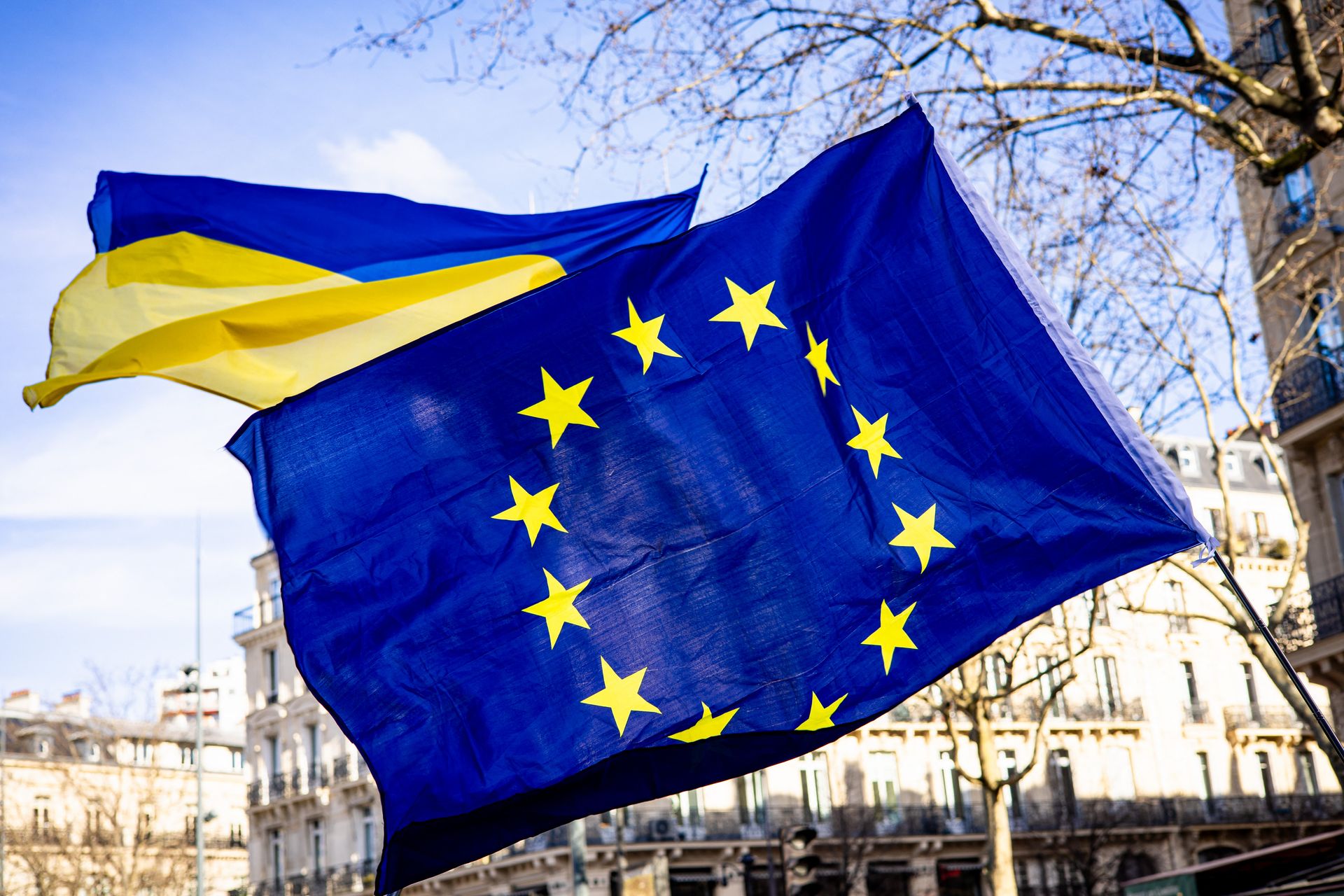
The opening of EU membership talks for Ukraine and Moldova represents a significant geopolitical shift, anchoring these nations more firmly within Western political structures amidst ongoing Russian aggression and underscoring the EU's commitment to its enlargement agenda.
Ukraine and Moldova officially began European Union membership negotiations on Monday in Luxembourg, marking a significant step in their long-term aspirations for integration with the bloc. The process commenced with the opening of the "Fundamentals" cluster, which will necessitate years of political reforms from Kyiv, even as it continues to defend against Russia's invasion.
Ukrainian Deputy Prime Minister Taras Kachka and EU Enlargement Commissioner Marta Kos attended an intergovernmental conference to initiate discussions on policy areas crucial for aligning Ukraine and Moldova with EU laws, standards, and values. The "Fundamentals" cluster focuses on five key chapters that underpin the EU's core values, including the rule of law, fundamental rights, and the functioning of democratic institutions.
EU leaders had agreed to open accession talks with Ukraine and Moldova in December 2023, but negotiations could not start in earnest due to opposition from the previous Hungarian government. A new government in Budapest reached an agreement with Kyiv this month on the rights of the Hungarian minority in Ukraine, and EU ambassadors on Friday agreed that both countries could begin talks on the first cluster of policy areas.