Key facts
- Matteo Salvini's League party, a member of Italy's governing coalition, is polling at 6% support.
- This is a significant decline from the 34% the party achieved in the 2019 European elections.
- A splinter group, Futuro Nazionale, launched by a former Salvini ally, has further fragmented the right-wing vote.
- Prime Minister Giorgia Meloni's coalition, which includes the League, is reportedly trailing the center-left opposition.
- Internal dissent within the League is growing, with some members advocating a return to the party's regional roots.
- Potential successors to Salvini, such as Luca Zaia and Massimiliano Fedriga, are being discussed in Italian media.
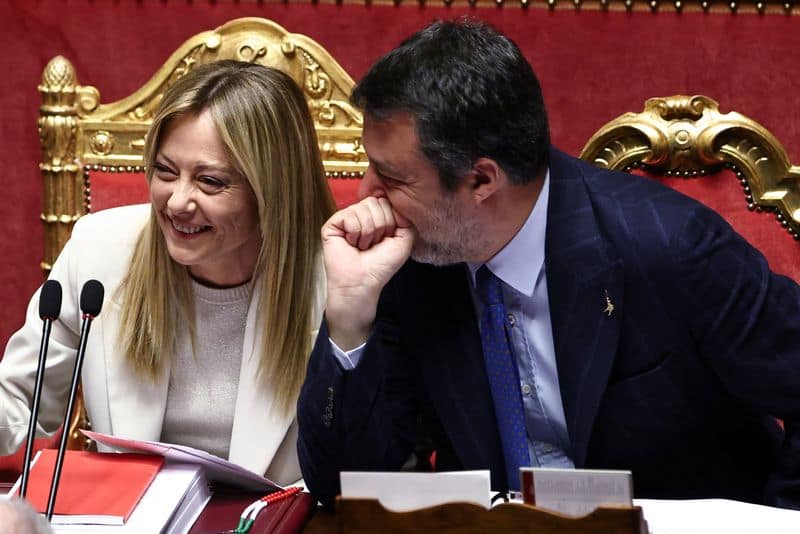
Matteo Salvini, once the prominent leader of Italy's far-right League party, is experiencing a significant decline in popularity, with the party's support now polling at 6%, a stark contrast to the 34% it achieved in the 2019 European elections. This weakening grip on power could jeopardize Prime Minister Giorgia Meloni's re-election prospects for the upcoming general election in 2027. The League's decline has accelerated since February, exacerbated by the launch of Futuro Nazionale, a splinter group that has captured a segment of the right-wing vote. Lorenzo Pregliasco, head of YouTrend pollster, suggests Salvini's leadership is facing a natural decline after more than a decade, with the party's anti-establishment appeal diminished by its repeated involvement in government since 2018. Meloni's coalition, which includes the League, Brothers of Italy, and Forza Italia, is reportedly trailing the center-left opposition, with the League's struggles dragging down its allies. Internally, the League is experiencing rising tensions, with some members openly criticizing Salvini and advocating for a return to the party's original focus on the northern regions. Potential successors like Luca Zaia and Massimiliano Fedriga are being discussed as possibilities should Salvini step down. Meanwhile, Salvini's current role as transport minister has been affected by persistent rail delays and stalled flagship projects, such as the Sicily-Calabria bridge. A proposal to reinstate him as interior minister, a role where he previously boosted support with anti-migrant policies, has reportedly received a cool reception, as migration is no longer a top concern for Italians, who are more focused on inflation. A major rally planned for July has been canceled to allow for the development of a new relaunch strategy.