Key facts
- Johor and Negeri Sembilan state elections are scheduled for July 11 and August 1, respectively.
- Economic issues, particularly Singapore-linked projects like the Johor-Singapore Special Economic Zone (JS-SEZ), are central to the Johor election.
- The elections are seen as an early test of support for Prime Minister Anwar Ibrahim's ruling coalition.
- Businesses in Johor anticipate accelerated growth and investment spillover from Singapore's political stability and joint projects.
- The JS-SEZ aims to create 20,000 skilled jobs in five years and add $28 billion annually to Malaysia's GDP over ten years.
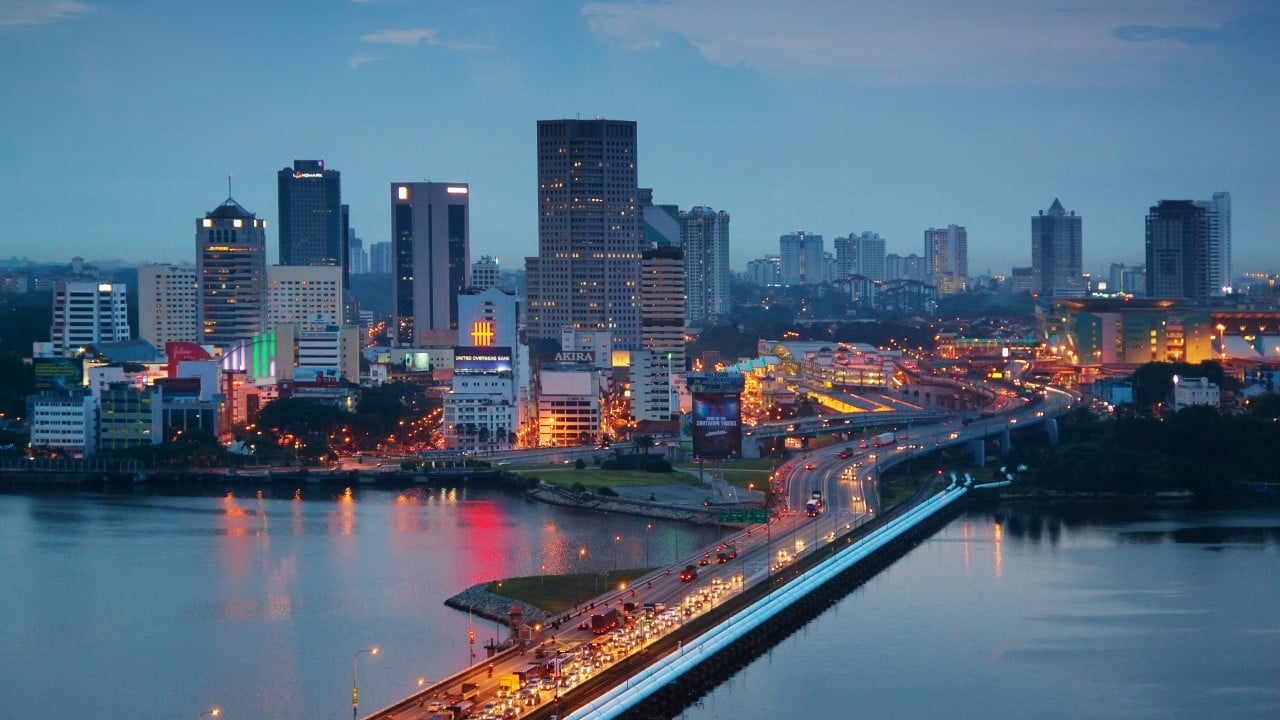
The upcoming state elections in Johor and Negeri Sembilan are poised to become significant battlegrounds where economic development, particularly projects linked to Singapore, will take center stage. Johor's 2.73 million voters will be assessing whether initiatives like the Johor-Singapore Special Economic Zone (JS-SEZ), rail projects, and data center investments have translated into tangible benefits amidst rising living costs.
Nominations for Johor's 56 assembly seats are scheduled for June 27, with early voting on July 7. Negeri Sembilan, with 889,490 registered voters, will follow with nominations on July 18 and early voting on July 28. The Election Commission has allocated 167.4 million ringgit for the electoral process, including a 14-day campaign period.
While these state contests will not impact Prime Minister Anwar Ibrahim's parliamentary majority, analysts suggest they will serve as an early indicator of public support for his governing coalition ahead of the general election due by early 2028. The outcomes are expected to reflect voter sentiment on the government's economic policies and performance.
Businesses in Johor are optimistic that the recent general election in Singapore, which resulted in a strong mandate for the ruling People's Action Party (PAP), will foster political and economic stability across the Causeway. This stability is anticipated to accelerate joint development projects, such as the JS-SEZ, which is seen as crucial for Johor's development goals. Industry players believe that with no political disruption in either Johor or Singapore, the JS-SEZ can attract high-quality investments, leading to economic spillover benefits for locals.
The JS-SEZ itself is described as an ambitious cross-border undertaking, encompassing nine flagship zones across areas like JB City Centre, Iskandar Puteri, Desaru, and Pengerang. The zone aims to achieve impressive milestones, including 50 projects and 20,000 skilled jobs within the first five years, and 100 projects within a decade. Malaysian Economy Minister Rafizi Ramli stated that the JS-SEZ is projected to add $28 billion annually to Malaysia's gross domestic product over the next ten years. Enticing incentives for companies include a special 5% corporate tax rate for up to 15 years for high-value activities like AI and aerospace manufacturing, tailored incentives for flagship zones, and a special 15% income tax rate for knowledge workers.