Key facts
- Japan's ruling Liberal Democratic Party (LDP) has advanced a proposal to reduce the consumption tax on food.
- The proposed tax cut would lower the rate from 8% to 1% for a period of two years, beginning in April 2027.
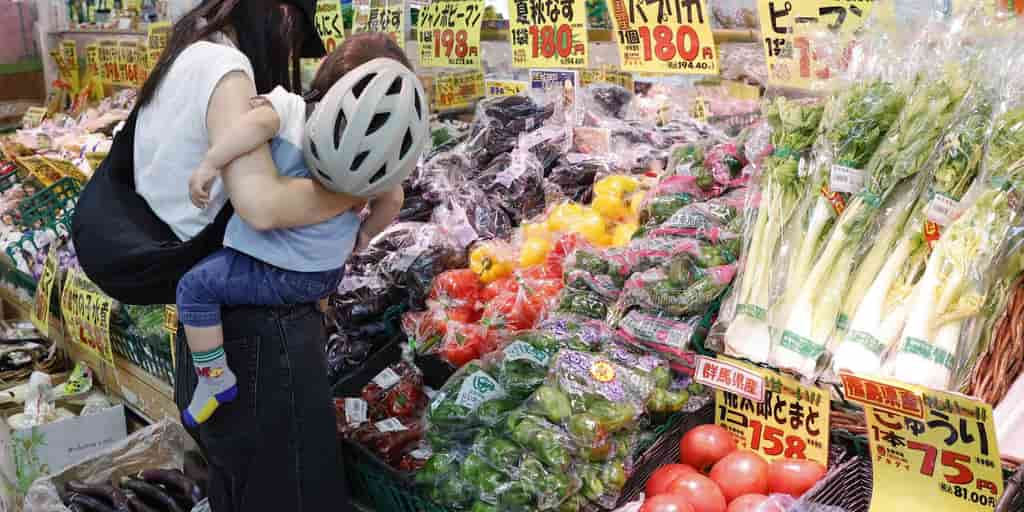
- The measure is intended to provide relief to consumers amid rising food prices.
- The plan faces opposition from some LDP members concerned about the impact on social security funding.
- The government is expected to approve the tax measure following internal party procedures.
Japan's ruling Liberal Democratic Party (LDP) has moved a step closer to implementing a campaign promise to cut the consumption tax on food to 1% from the current 8% for a period of two years, starting in April 2027. The proposal, aimed at easing the impact of inflation on consumers, received approval from key ruling party committees. However, the plan faces significant opposition from fiscally conservative LDP lawmakers who are concerned about the potential funding shortfall for social security, estimated at 10 trillion yen over the two-year period. These concerns are amplified by rising government bond yields and a weakening yen. Despite these doubts, Prime Minister Sanae Takaichi, who heads the LDP, is pushing the measure forward. The Cabinet is expected to formally approve the tax cut once internal party procedures are completed. This would be the first reduction in the consumption tax since its introduction in 1989 and would be accompanied by cash handouts to low- and middle-income earners before a new income-linked relief program is introduced in fiscal 2029. A written objection was submitted by Yoshihisa Furukawa, stating that proceeding without secured funding could erode market confidence.