Key facts
- Romania used a controlled explosion to clear rocks and facilitate the redirection of Danube river water to its Cernavoda nuclear reactor.
- Hungary's Paks nuclear plant, running at reduced capacity, may continue operations until Monday or Tuesday.
- Both Hungary and Romania are experiencing power supply issues due to drought-induced low river levels impacting nuclear plant cooling.
- Romanian car manufacturers Dacia and Ford have temporarily halted production to lower electricity demand.
- Hungarian companies are voluntarily reducing power consumption, with Richter offering solar-generated electricity.
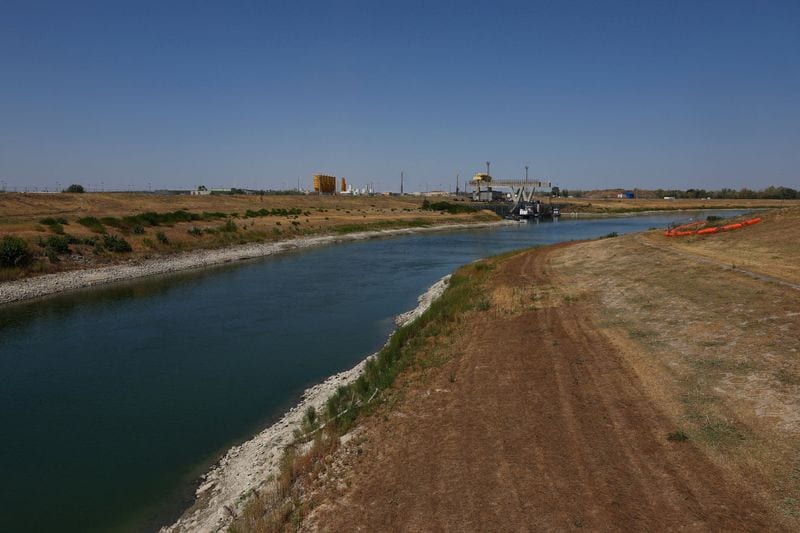
Romania has undertaken an extraordinary measure by detonating a rock outcrop to help redirect vital cooling water from the drought-stricken Danube River to its sole functioning nuclear reactor. This action underscores the severity of the European energy crisis exacerbated by heatwaves and drought, which have critically lowered river levels.
Hungary's Paks nuclear plant, which normally supplies half the country's electricity, is operating at just over 10% capacity. Prime Minister Peter Magyar stated that the last turbine producing 240 megawatts could continue working until Monday or Tuesday, offering a temporary reprieve and avoiding a complete shutdown on days of high consumption.
Further downstream, Romania's Cernavoda nuclear power plant, responsible for a fifth of the country's electricity, had to shut down one of its two reactors last week. Experts believe the controlled explosion will enable the construction of a temporary dam to channel more water to the remaining reactor. The work is expected to be completed by Wednesday, with Romanian Defence Minister Radu Miruta emphasizing the gain of each additional day the plant operates.
In response to the power crunch, Romanian car manufacturers Dacia and Ford have voluntarily halted production until August 19, reducing power consumption by approximately 200 MW. Hungary also saw voluntary power usage cuts by households and companies, significantly easing grid pressure.