Key facts
- Japan and Italy will deepen cooperation in advanced technologies like semiconductors.
- The two nations will strengthen supply chains for critical minerals.
- Leaders discussed security issues including the Middle East, Ukraine, and East Asia.
- Japan's Prime Minister expressed support for the Sicily bridge project.
- Cooperation will expand in space debris management and satellite data analysis.
- A key fighter-jet program remains on track despite UK budget strains.
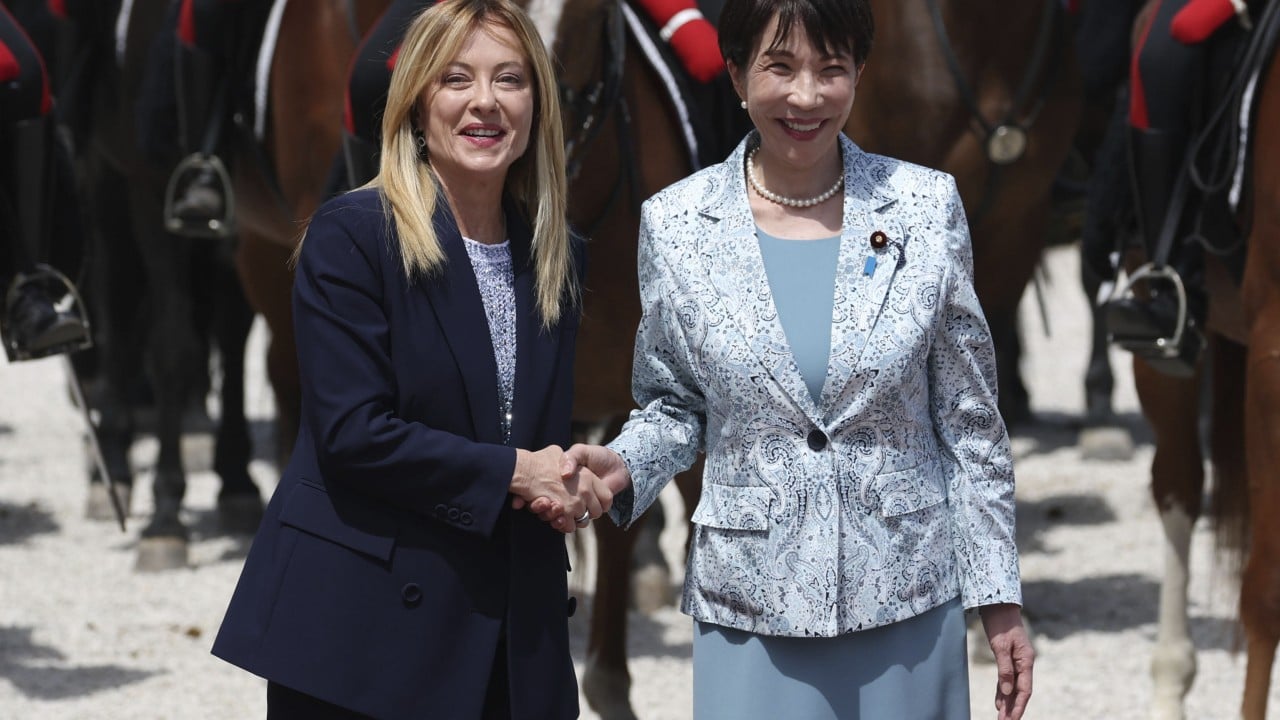
Japanese Prime Minister Sanae Takaichi and Italian Prime Minister Giorgia Meloni agreed to deepen cooperation in advanced technologies, including semiconductors, and strengthen supply chains for critical minerals. The leaders met in Rome as the two countries celebrate 160 years of diplomatic relations and seek closer ties amid global concerns about over-reliance on China for essential high-tech materials.
Takaichi also voiced support for the long-delayed Sicily bridge project, involving Japanese firms like IHI, viewing it as a symbol of bilateral cooperation. The ambitious 3.7-km bridge across the Strait of Messina, led by the Eurolink consortium (including Italy's Webuild and Spain's Sacyr), has faced numerous setbacks, including environmental and earthquake risks, and a recent corruption probe. The estimated cost has ballooned to €13.5 billion from an original €3.8 billion tender price.
Beyond economic security, the leaders discussed broader geopolitical issues, pledging to work closely on the Middle East conflict, the war in Ukraine, and security in East Asia, including China and North Korea. Both emphasized the critical importance of freedom of navigation through the Strait of Hormuz for the international community. The two nations also plan to expand collaboration in space debris management and satellite data analysis.
Meloni and Takaichi also stated that a crucial fighter-jet program is proceeding as planned, despite budget challenges in the UK that could potentially impede the trilateral project.