Key facts
- Denmark will deny refugee protection to Ukrainian men aged 23 to 60.
- The change aims to prevent Ukrainian men from evading military conscription.
- Existing Ukrainian refugees in Denmark will be permitted to remain.
- Men with exemptions from military service will still be eligible for protection.
- The Council of Europe's Commissioner for Human Rights expressed concern over the policy.
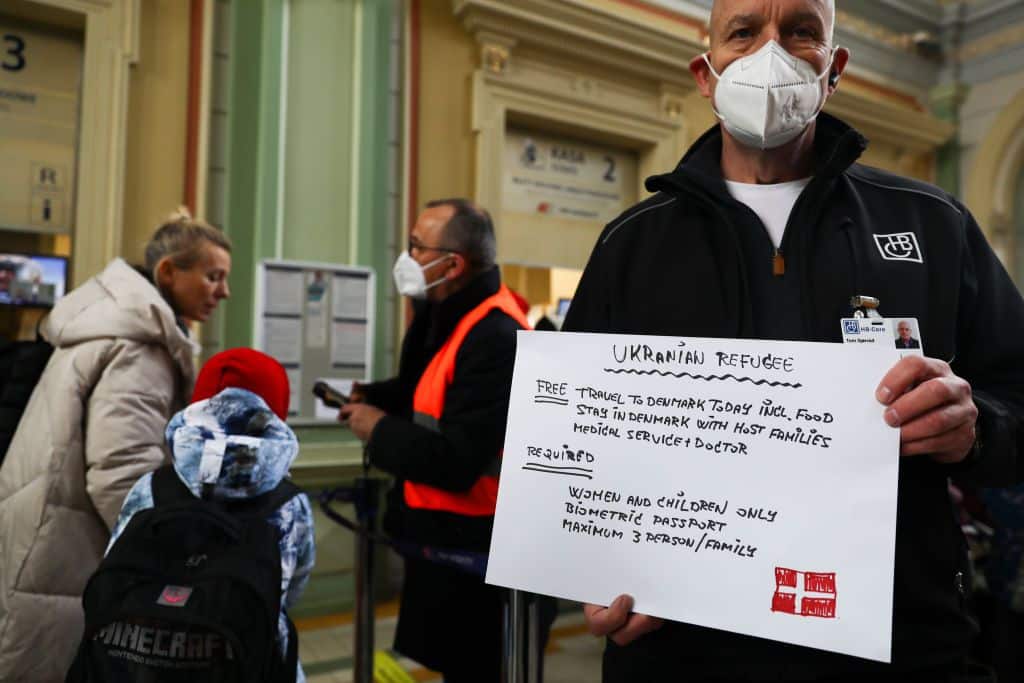
The Danish government announced on June 25 that it will cease granting refugee protection to Ukrainian men between the ages of 23 and 60. This legislative change is intended to prevent Ukrainian men from avoiding mandatory military conscription. Ukrainian men aged 22 to 60 are generally prohibited from leaving their country, with some exceptions, and those aged 25 to 60 are subject to conscription.
Danish Immigration Minister Morten Boedskov stated that Denmark stands with Ukraine and that its residence rules should not be used to evade mobilization. Consequently, men subject to Ukraine's mobilization rules will no longer qualify for residence permits in Denmark. However, the approximately 47,600 Ukrainians already residing in Denmark will be allowed to stay, and men with exemptions from military service will still be eligible for protection.
The decision has drawn criticism from Michael O’Flaherty, the Council of Europe's Commissioner for Human Rights, who described it as part of a wider trend to restrict protection for the estimated 4.3 million Ukrainian refugees across Europe. O’Flaherty warned that blanket exclusions risk human rights violations and that issues like conscription and conscientious objection can raise legitimate protection claims, emphasizing the obligation for hosting states to provide individualized asylum assessments.
This development occurs as European Union countries are reviewing the Temporary Protection Directive, which has been in place for Ukrainians since 2022 and is expected to be renewed until March 2028. Several EU nations, including Germany, Poland, and Czechia, are considering national laws to modify temporary protection measures. Denmark's ability to enact these restrictions independently stems from its opt-out from EU freedom, security, and justice rules.