Key facts
- Sales of used tech devices, including MacBooks, iPhones, and Xboxes, are surging.
- Price increases for new devices are attributed to chip shortages and AI buildout costs.
- Apple announced price hikes of 20-25% on some Macs and iPads.
- Microsoft's Surface PCs and Xboxes are also experiencing significant price increases.
- Consumers are increasingly prioritizing value and affordability in their tech purchases.
- A significant portion of consumers are considering or have purchased secondhand tech.
- Younger demographics, particularly Millennials and Gen Z, are driving the growth in the used tech market.
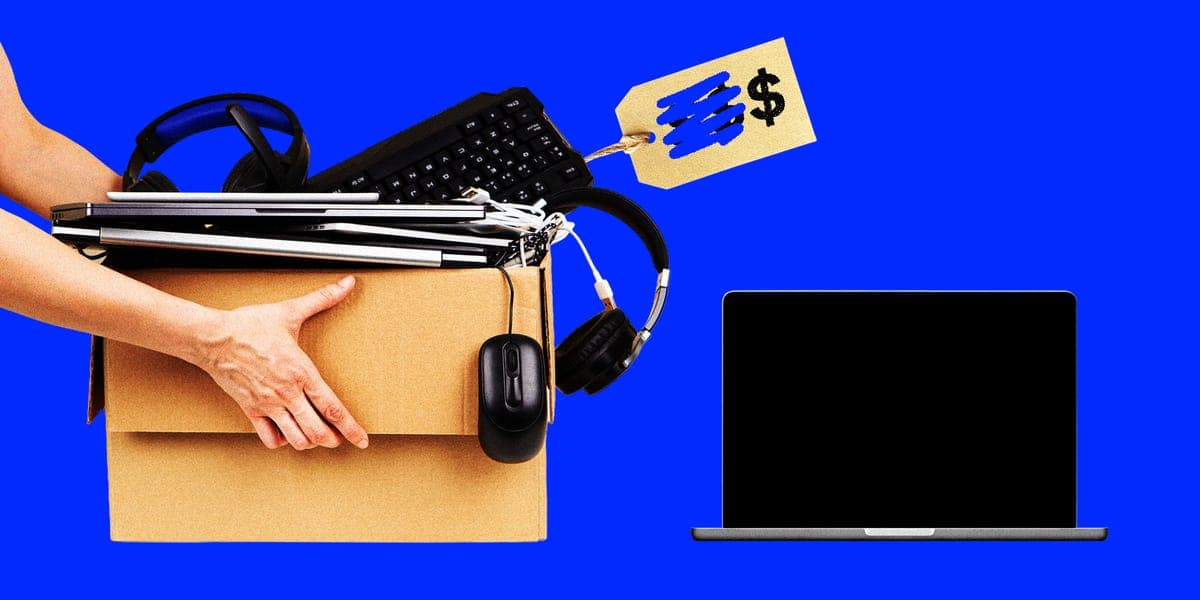
The cost of new technology devices is escalating, driven by chip shortages and the demands of AI development, leading to a significant surge in the sales of used and refurbished electronics. Apple recently announced price increases of 20% and 25% for some Macs and iPads, respectively, with MacBook Pros seeing a $300 jump. Microsoft's Surface PCs are now up to $500 more expensive than two years ago, and Xbox consoles are set to increase by approximately $150.
This price shock is prompting consumers to seek more affordable alternatives. Angie Cardona-Nelson, who sells refurbished laptops, noted that her listings are now selling within hours at full price, a shift from previous weeks. She observes a fundamental change in consumer mindset, with buyers prioritizing affordability over minor cosmetic issues.
Market data supports this trend. A poll indicated that nearly half of US adults have considered buying a secondhand tech product in the past year, with Millennials and Gen Z being more receptive than older demographics. Lauren Benton, US general manager for Back Market, stated that price hikes for new devices, such as Apple's recent announcement, immediately impact sales, with MacBook sales on their platform jumping 62% compared to the previous week, attracting many new customers.
While phones have historically dominated the resale market, demand for computers and computer parts has risen by 30% in the past three to six months, according to Erik Helgesen, president of PayMore. Consumers are becoming more educated and are actively researching secondhand options. Back-to-school shopping may be contributing to summer sales, but the overall trend indicates a greater willingness to consider used devices.
New product launches have not been compelling enough to justify the rising costs for many consumers. Despite features like Apple Intelligence, a significant portion of the population remains hesitant about AI, viewing it as potentially negative. Market forecasts predict that used smartphone shipments will grow by 3.2% year-over-year in 2025, while new smartphone shipments are expected to grow by only 1%. Data from Counterpoint Research shows pre-owned smartphone sales grew 4% in 2024 and 3% in 2025, with a preliminary 13% spike in the first half of 2026, while new smartphone shipments are forecast to drop by 12% this year. These increases are attributed to rising prices and 'shrinkflation,' where new devices offer minimal improvements over older models.
Furthermore, a growing sentiment of 'Luddite nostalgia' and anxiety surrounding AI is contributing to the secondhand market's growth. Searches for older devices like iPods have increased, with significant price jumps for specific models. Events like the 'Summer of Ludd' phone-free festival encourage a reevaluation of technology consumption, and platforms like Back Market are advertising to 'downgrade now,' highlighting the appeal of less expensive devices that still meet essential needs.