Key facts
- Merdeka Gold Resources shares opened flat on their Hong Kong Exchange debut on June 26.
- The Indonesian gold miner is planning a second float in Hong Kong to raise at least $500 million.
Merdeka Gold Resources shares opened flat on their Hong Kong Exchange debut on Friday, as the Indonesian gold miner tapped investor appetite in the financial hub's capital market. The company is planning a second float in Hong Kong to raise at least $500 million, potentially reviving the use of Hong Kong depositary receipts (HDRs).
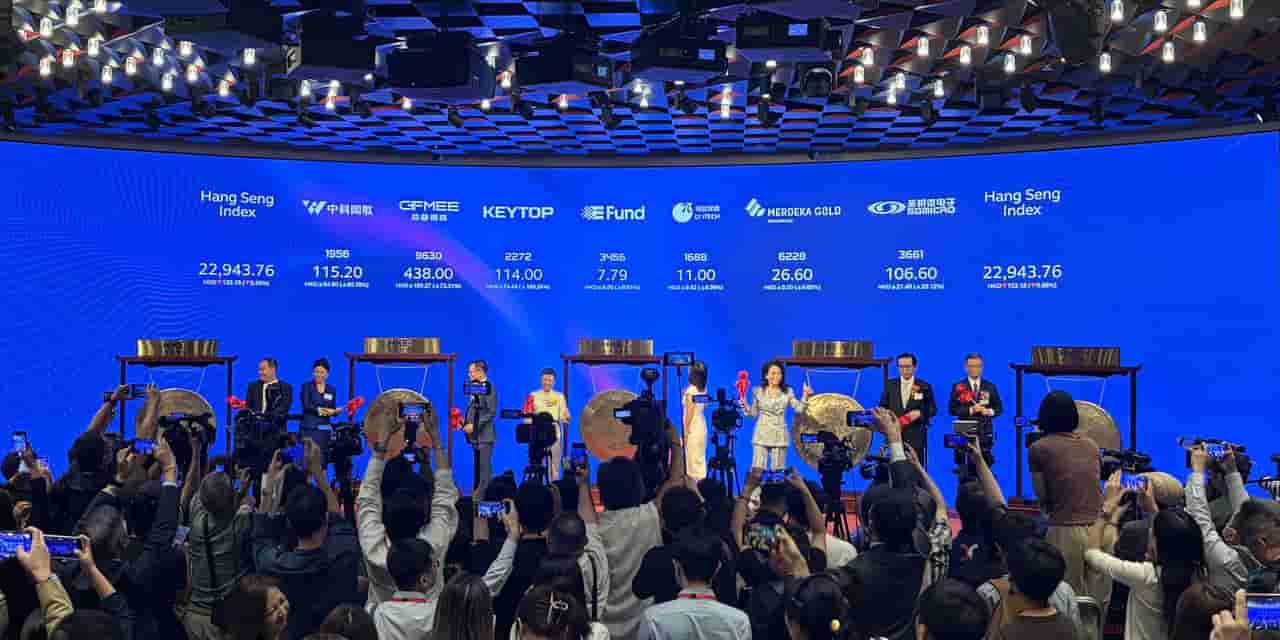
Merdeka Gold's debut in Hong Kong, particularly its use of Hong Kong depositary receipts (HDRs), could signal a renewed interest in this less-common listing instrument and a broader trend of attracting international issuers to the Hong Kong stock market.
Shares of Merdeka Gold Resources opened flat on their Hong Kong Exchange debut on Friday, as the Indonesian gold miner tapped investor appetite in the financial hub's capital market. The company, a unit of Merdeka Copper Gold, is planning a second float in Hong Kong as soon as June to raise at least $500 million, according to people familiar with the matter. The listing would potentially revive the use of Hong Kong depositary receipts (HDRs), a financial instrument that has fallen out of favor for over a decade. The Hong Kong exchange has been actively seeking to attract issuers from beyond mainland China and Hong Kong, with Merdeka's debut potentially testing investor appetite for both HDRs and non-Chinese listings. HDRs represent underlying shares and were introduced as an alternative listing route for companies from markets that prohibit share issuance or the maintenance of a share register abroad. However, they have struggled to gain traction compared to American depositary receipts, with declining trading volumes and several delistings. Fast Retailing, the owner of Uniqlo, is the only company with HDRs still trading in Hong Kong since its 2014 debut, the city's last such listing. Trading activity in Fast Retailing's HDRs has significantly declined since its initial offering.