Key facts
- The Federal Reserve maintained its benchmark interest rate at 3.5% to 3.75%.
- The Fed's dot plot now suggests at least one rate hike by 2026.
- Bitcoin fell to $64,000 after the FOMC meeting.
- Illinois passed a 0.2% tax on digital asset transactions, effective 2027.
- The CME is suing the CFTC regarding approval of crypto perpetual futures.
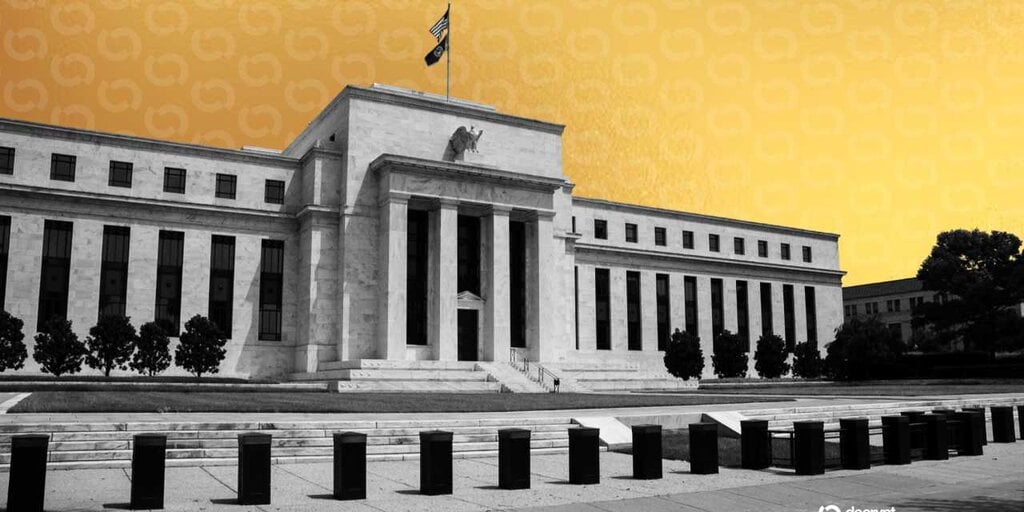
The Federal Reserve maintained its benchmark interest rate at 3.5% to 3.75% on Wednesday, a decision that was widely expected. However, the accompanying commentary from new Fed Chair Kevin Warsh signaled a more hawkish stance than anticipated. The Fed's updated dot plot indicated a median projection for 3.8% by year-end 2026, suggesting at least one rate hike might occur, a shift from previous expectations of cuts. Warsh stressed the priority of achieving the 2% inflation target, leading markets to reprice rate expectations sharply upwards, with odds of a September hike rising significantly and expectations for 2026 cuts collapsing.
In response to the hawkish Fed, cryptocurrencies experienced a decline, with Bitcoin falling to $64,000. MicroStrategy's stock also dropped 5%, and its subsidiary STRC hit a new low. The broader market saw the 2-year Treasury yield jump and the Dow Jones Industrial Average fall, though stock futures showed a rebound pre-market. Analysts suggest the crypto market's reaction may be amplified by factors like the Saylor overhang.
Separately, Illinois became the first U.S. state to enact a direct tax on digital assets. Governor J.B. Pritzker signed a budget that includes the Digital Asset Privilege Tax Act, a 0.2% tax on crypto activity set to take effect January 1, 2027. The tax, levied on digital asset brokers, is expected to be passed on to consumers, impacting transactions and holdings. Industry groups have expressed alarm, viewing it as a precedent that could lead other states to adopt similar measures.
In other crypto-related news, Moody's launched onchain credit ratings on the Solana blockchain, and the CME announced it is suing the CFTC over the regulator's approval of crypto perpetual futures.