Key facts
- Russian oil refining output in July reached its lowest point since May 2002.
- Russian oil refining processed an estimated 3.6 million barrels per day in July.
- Ukrainian drone strikes targeted Russian refineries, tankers, pipelines, and export infrastructure.
- India's imports of Russian crude oil reached a record high in July.
- India imported 2.8 million barrels per day of Russian crude oil in July.
- Russian crude oil constituted over 55% of India's total crude oil imports in July.
- Georgia's Kulevi oil refinery is shifting from Russian crude to Kazakh and Libyan oil.
- Black Sea Petroleum aims to eliminate Russian feedstock by early September.
- Georgia's Kulevi oil refinery has a deadline of January 25, 2027, to fully transition to non-Russian sources.
- The shift at Georgia's refinery is to comply with upcoming EU sanctions.
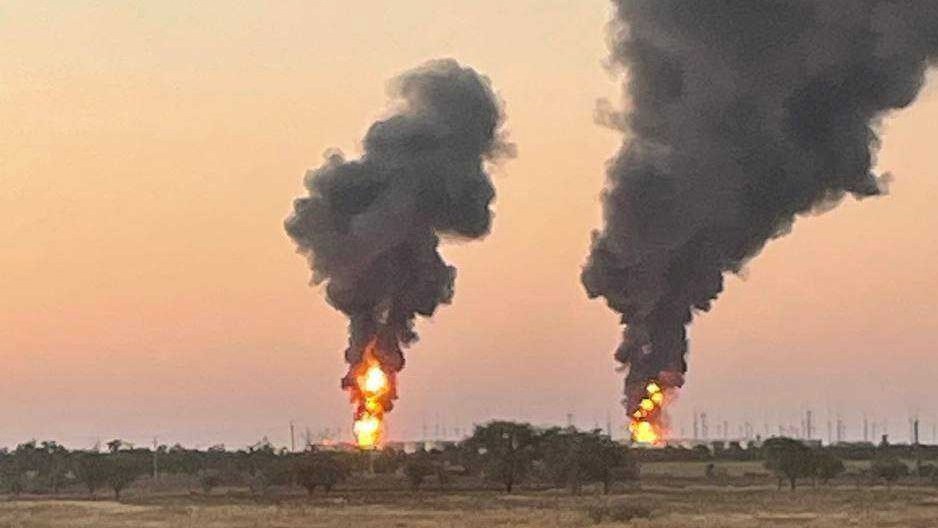
Russian oil refining output experienced a significant decline in July, reaching its lowest level since May 2002. The country processed an estimated 3.6 million barrels per day, a reduction attributed to an intensified Ukrainian drone campaign. These strikes have targeted not only refineries but also tankers, pipelines, and other export infrastructure, disrupting Russia's oil processing capabilities.
In contrast to Russia's domestic refining challenges, India has increased its reliance on Russian crude oil. In July, India's imports of Russian crude oil surged to a new all-time high, reaching 2.8 million barrels per day. This volume represented over 55% of India's total crude oil imports for the month, a trend driven by persistent shipping uncertainties in crucial global waterways.
Meanwhile, Georgia's Kulevi oil refinery is actively moving away from Russian crude oil. The refinery's owner, Black Sea Petroleum, is in the process of replacing Russian feedstock with supplies sourced from Kazakhstan and Libya. This strategic shift is being implemented to comply with impending European Union sanctions. The company aims to completely eliminate Russian feedstock by early September, with a final deadline of January 25, 2027, to fully transition to non-Russian sources.