Key facts
- Russian oil refining fell to its lowest monthly level since May 2002 in July.
- Refineries processed an estimated 3.6 million barrels per day, about one-third below the seasonal average.
- Ukraine conducted 30 attacks on Russia's oil infrastructure in July, targeting 18 refineries, five tankers, two pipelines, and port facilities.
- The Omsk refinery, Russia's largest, was among the targets, located over 2,500 kilometers from Ukraine.
- Russia extended its ban on diesel and gasoline exports due to reduced fuel production from refinery outages.
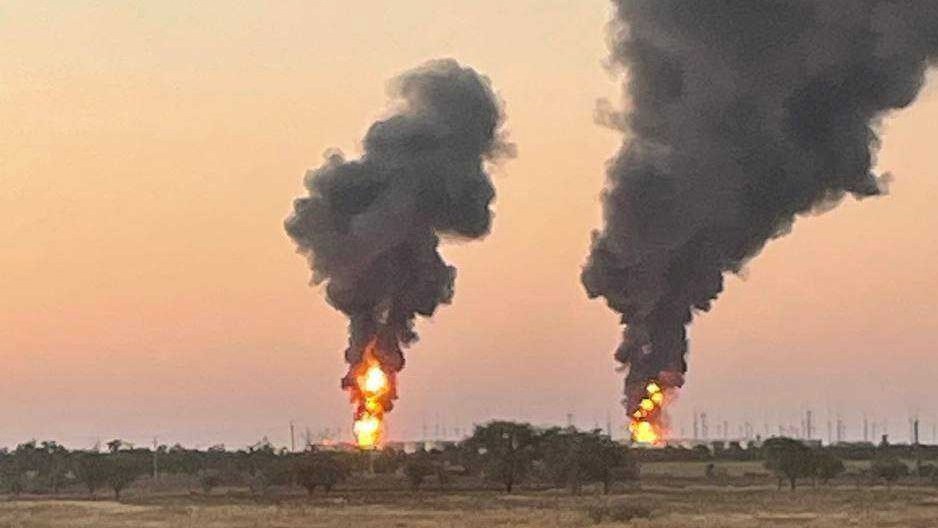
Russian crude oil refining output in July plummeted to its lowest level in over two decades, processing approximately 3.6 million barrels per day. This significant decline, about one-third below the typical seasonal average, is attributed to an intensified Ukrainian drone campaign that expanded beyond refineries to target tankers, pipelines, and export infrastructure.
Ukraine struck a record 18 Russian refineries in July, including the massive Omsk refinery, and also hit five oil tankers, two pipelines, and port facilities. This surge in attacks disrupted fuel production, prompting Russia to extend its ban on most diesel and gasoline exports to avert domestic shortages. The reduced processing capacity has also compelled Russian producers to export larger volumes of crude oil, further straining port and tanker capacity already impacted by Ukrainian strikes.
While Russia can reroute some crude through Baltic ports, experts note that pipeline, storage, and tanker capacity is insufficient to fully compensate for the loss of Black Sea export volumes. The overall number of attacks on Russia's oil infrastructure in July reached 30, marking the second-highest monthly total since the full-scale invasion began.