Key facts
- The Strait of Hormuz has reopened.
- Tankers have resumed broadcasting their positions in the Strait of Hormuz.
- Tankers previously engaged in "dark mode" crossings, obscuring their positions.
- The reopening follows an interim U.S.-Iran deal.
- The deal is aimed at de-escalating conflict and ending hostilities.
- Millions of barrels of crude oil may now flow to Asian markets.
- Concerns remain about sustained economic gains.
- Potential for renewed hostilities continues to impact shipping.
- The Strait of Hormuz is a critical chokepoint for global oil shipments.
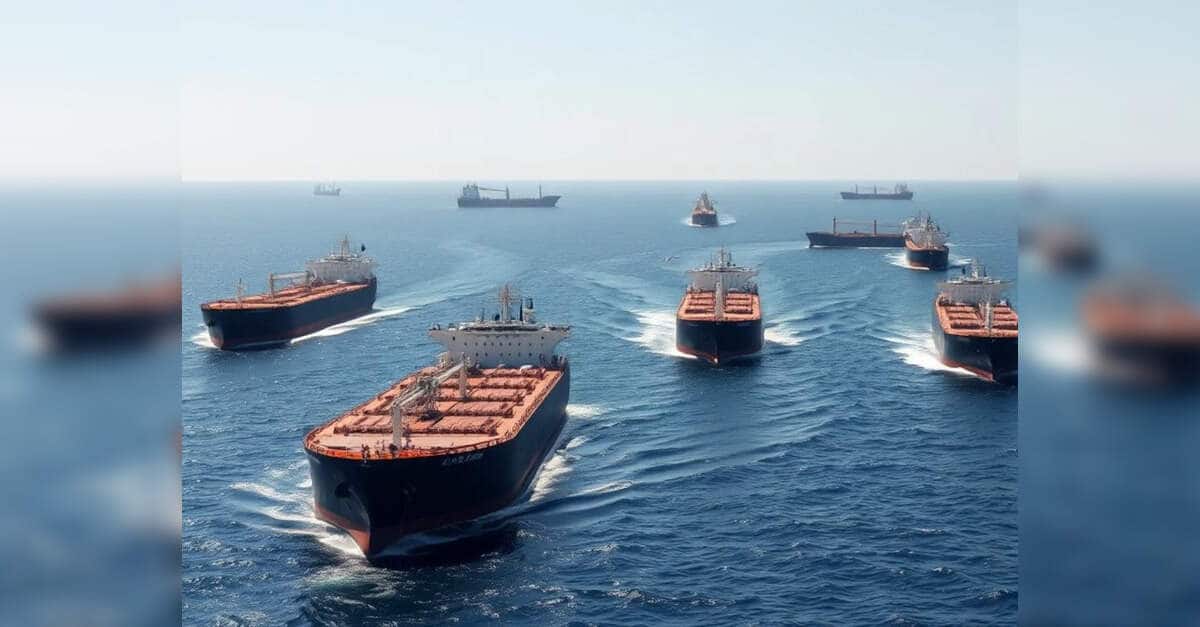
The Strait of Hormuz has reopened, signaling a tentative de-escalation of tensions between the U.S. and Iran. Tankers are now broadcasting their positions, a shift from previous "dark mode" crossings where their locations were obscured. This change follows an interim U.S.-Iran deal intended to end recent hostilities that had disrupted maritime traffic. The reopening potentially allows millions of barrels of crude oil to resume flowing to Asian markets, a critical development for global energy supplies.
Despite the resumption of broadcasting and the initial reopening, caution remains prevalent among shipping operators and analysts. Concerns persist about the sustainability of the economic gains that could result from the strait's full operational capacity. The potential for renewed hostilities, fueled by conflicting signals or unforeseen incidents, continues to pose a hazard to shipping in this vital waterway. The period of "dark mode" crossings highlighted the risks involved, and the underlying geopolitical tensions have not been entirely resolved.
The Strait of Hormuz is a critical chokepoint for global oil shipments, with a significant portion of the world's crude oil passing through it annually. Disruptions in this region have historically led to significant volatility in global oil prices and have had far-reaching economic consequences. The recent tensions underscore the fragility of maritime security in the region and the delicate balance required to maintain open shipping lanes.