Russia allows lower-grade gasoline production amid fuel shortage | PiQ Markets
2 storiesCommodities & EnergyCrude oil prices: WTI & BrentOPEC+ production decisions & quotasEnergy transition & net zero commitments
Russia allows lower-grade gasoline production amid fuel shortage
window 24h
IN SHORT
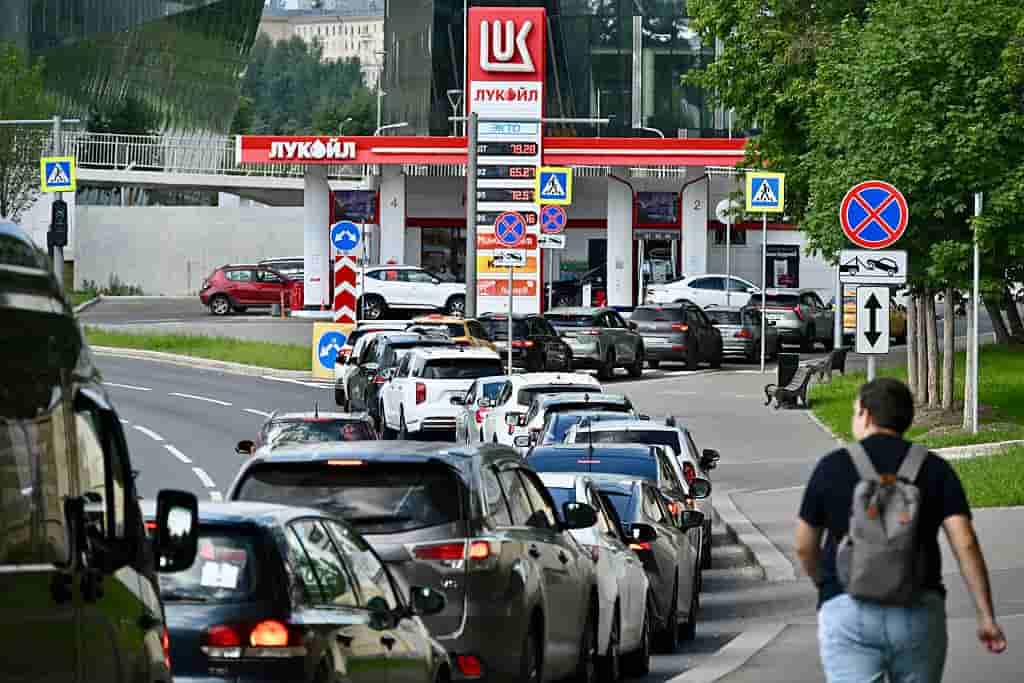
Russia is permitting the production of lower-quality Euro-3 gasoline until year-end to combat a domestic fuel shortage exacerbated by Ukrainian drone attacks on energy infrastructure. This measure allows for higher sulfur content, increasing pollution concerns. Meanwhile, Georgia's Kulevi Oil Refinery will stop processing Russian crude oil in August-September to pursue more profitable markets and comply with EU sanctions, aiming to diversify its supply chain.
✉Newsletter
PiQ Daily
Pick your topics. Get only what matters, on your cadence.
Key Numbers
end of 2024period for lower-grade gasoline production
Who's Involved
Russia
country permitting lower-grade gasoline production amid fuel shortage
Ukrainian
actor conducting drone attacks on energy infrastructure
Georgia
country whose refinery is halting Russian crude processing
Kulevi Oil Refinery
Georgia's sole full-cycle refinery ceasing Russian crude processing
EU
bloc whose sanctions the refinery is aligning with
1 / 2
Key facts
Russia permits production of lower-quality Euro-3 gasoline through year-end.
The decision aims to stabilize domestic fuel supply.
Ukrainian drone attacks on energy infrastructure contributed to the shortage.
Lower-grade gasoline allows for higher sulfur content.
Higher sulfur content increases pollution risks.
Georgia's Kulevi Oil Refinery will stop processing Russian crude oil.
The halt in processing Russian crude is scheduled for August-September.
The refinery seeks to access higher-margin markets.
The move aligns with EU sanctions.
The refinery aims to diversify supply sources.
Russia has authorized its oil refineries to produce lower-grade Euro-3 gasoline through the end of 2024 as a measure to stabilize the domestic fuel supply. This decision comes in the wake of persistent Ukrainian drone attacks targeting Russia's energy infrastructure, which have disrupted production and supply chains. The allowance for lower-quality gasoline permits a higher sulfur content than previously mandated, raising concerns about increased pollution risks.
In a separate development impacting Russia's energy exports, Georgia's only full-cycle refinery, the Kulevi Oil Refinery, is set to halt the processing of Russian crude oil. This cessation of operations with Russian crude is scheduled to begin in August or September. The refinery's decision is driven by a strategic move to access higher-margin markets and align with European Union sanctions targeting Russian energy products. By diversifying its supply sources, the Kulevi refinery aims to improve its profitability and market position.
The Russian government's decision to permit lower-quality fuel production highlights the strain on its energy sector due to external pressures, particularly the ongoing conflict and resulting sanctions. The allowance for increased sulfur content represents a trade-off between immediate fuel availability and environmental standards. Concurrently, Georgia's refinery is navigating the complexities of international sanctions and market dynamics, prioritizing economic advantage and compliance with global trade regulations over continued reliance on Russian crude.
↳ Why This Matters
Russia has authorized its oil refineries to produce lower-grade Euro-3 gasoline through the end of 2024 as a measure to stabilize the domestic fuel supply. This decision comes in the wake of persistent Ukrainian drone attacks targeting Russia's energy infrastructure, which have disrupted production and supply chains. The allowance for lower-quality gasoline permits a higher sulfur content than previously mandated, raising concerns about increased pollution risks.
Frequently asked questions
Russia is allowing lower-grade gasoline production to address a growing fuel shortage caused by Ukrainian drone attacks on its oil infrastructure.
Euro-3 gasoline has a higher sulfur content than the current Euro-5 standard, which can lead to increased safety risks and heavier pollution.
No, these products cannot be exported outside of Russia and will not bear the Eurasian Economic Union conformity mark.
Kyiv considers Russian oil refineries to be valid military targets as they produce fuel and funds for Russia's war machine.
What Happens Next
01Refineries will produce Euro-3 gasoline until the end of the year.
02Russia plans to increase production to minimize the impact of Ukrainian strikes.
Get the newsletter.
Pick the topics you actually care about. We'll email when there's news worth your time, on the cadence you choose. Cancel any time from your account.